
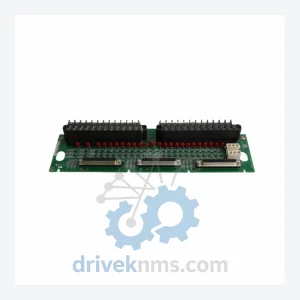
GE Fanuc IS200TBCIS2CCD I/O Terminal Board – Mark VI Redundant Control System
GE Fanuc IS200TBCIS2CCD is listed for Mark VI RFQ review. Confirm quantity, condition and destination before quotation.
RFQ-ready industrial model
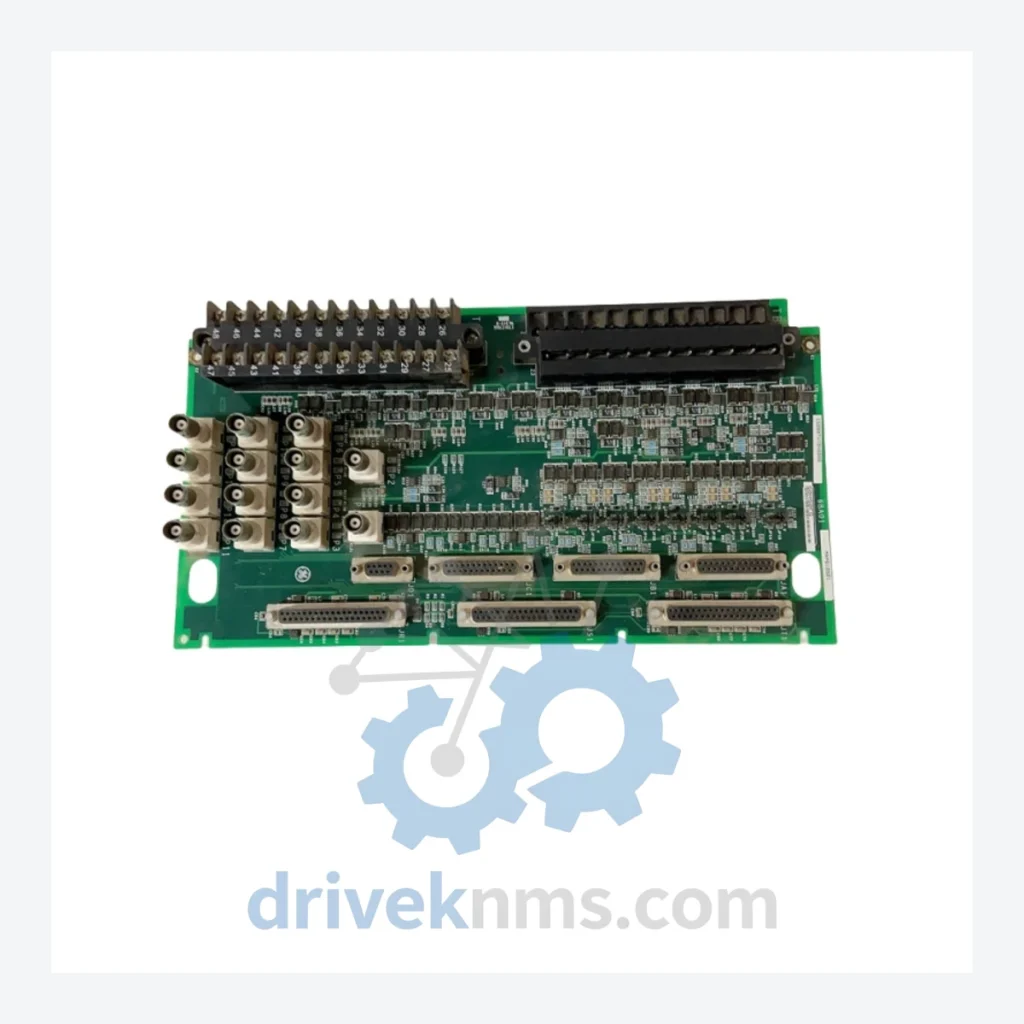
Model: IS200ECTBG2ADE
Product Overview
Commercial availability is handled through direct RFQ, model verification and export-oriented follow-up rather than public cart checkout.
Datasheet Preview
Use attached product manuals when available. If the manual is not public yet, request the full file directly through RFQ.
Commercial Path
Product pages on DRIVEKNMS are designed to verify model, brand and series first, then move the buyer into one clean quotation path.
Technical Dossier
RFQ support for obsolete parts: Send the model number, required quantity and destination so DriveKNMS can confirm sourcing options before quotation.
| Parameter | Detail |
|---|---|
| Part Number | IS200ECTBG2ADE |
| Manufacturer | GE (General Electric) |
| Series | Mark VI Turbine Control System |
| Board Type | Terminal Board (ECTB) |
| OEM Status | Discontinued / Obsolete – No longer manufactured by GE |
| Country of Origin | United States |
| Compatible Systems | GE Mark VI, Mark VIe turbine control platforms |
| Typical Application | Gas turbine, steam turbine, and combined-cycle power generation control |
| Condition Available | New surplus / Tested & refurbished |
Note: Electrical parameters such as voltage ratings and signal specifications are board-configuration-dependent. Confirmed specifications are provided upon request with full documentation.
The GE Mark VI control system was deployed extensively across power generation, oil & gas, and petrochemical facilities from the 1990s through the 2000s. Thousands of these systems remain in active service today, and the IS200ECTBG2ADE terminal board is a load-bearing component within that architecture. It serves as the physical interface layer between field wiring and the control processor — handling I/O termination for critical turbine signals including temperature, vibration, speed, and valve position feedback.
GE ceased production of Mark VI hardware as the platform transitioned to Mark VIe and later Mark VIeS. However, the installed base of Mark VI systems did not retire on the same schedule. Facilities operating these turbines face a structural gap: the OEM no longer supports the hardware, but the machines themselves have 10–20 years of remaining mechanical life. Replacing the control system to resolve a single failed board is an engineering and financial decision that most plant managers are not authorized to make unilaterally — nor should they be.
The IS200ECTBG2ADE represents a targeted, low-cost intervention. A verified replacement board restores full system functionality without touching the control architecture, without revalidating software, and without retraining operators. For facilities under pressure to justify capital expenditure deferrals, this is the defensible path.
Plant managers operating legacy GE Mark VI systems face a recurring question from finance and operations leadership: when does it make sense to upgrade versus maintain? The answer depends heavily on whether critical spare parts remain accessible. The following framework has been applied successfully across power generation and process industries to defer system retirement by a full operational cycle:
1. Conduct a single-point-of-failure audit. Identify every board in the Mark VI rack that has no installed spare and no available market substitute. The IS200ECTBG2ADE is consistently on this list. A failure of this board without a replacement on-site results in an unplanned outage with no defined recovery timeline.
2. Establish a minimum viable spare inventory. For terminal boards with direct I/O responsibility, a minimum of one verified spare per turbine train is the accepted industry standard. For facilities with multiple identical units, a shared pool of two to three boards is defensible from a cost-risk standpoint.
3. Source from verified secondary market suppliers. OEM channels for Mark VI hardware are effectively closed. The secondary market — when properly vetted — is the only reliable source. Verification criteria should include: physical inspection records, functional test data, and traceability documentation. DriveKNMS provides all three.
4. Document and store correctly. Obsolete electronic boards require controlled storage: anti-static packaging, temperature and humidity control, and periodic inspection for electrolytic capacitor degradation. Boards stored improperly for more than 18 months may require re-testing before installation.
Applied consistently, this approach extends the operational viability of a Mark VI-controlled asset by 5 to 10 years beyond the point at which OEM support ended — at a total cost that is orders of magnitude below a control system replacement project.
Every IS200ECTBG2ADE board supplied by DriveKNMS passes a structured 5-step quality process before dispatch review:
Step 1 – Visual and Physical Inspection: Full board surface inspection for mechanical damage, burnt components, cracked solder joints, and connector pin integrity. Boards with any structural compromise are rejected at this stage.
Step 2 – Electrolytic Capacitor Assessment: Capacitors are the primary age-related failure point in boards of this generation. Each capacitor is tested for capacitance value, ESR (equivalent series resistance), and leakage. Boards with out-of-specification capacitors are either recapped or rejected.
Step 3 – Firmware and Configuration Verification: Where applicable, firmware version is confirmed and documented. Boards are checked against known compatible firmware revisions for the Mark VI platform.
Step 4 – Pin and Connector Corrosion Inspection: All I/O connectors and backplane pins are inspected under magnification for oxidation, corrosion, and contamination. Affected contacts are cleaned to IPC standards or the board is rejected.
Drop-in replacement: The IS200ECTBG2ADE installs directly into the existing Mark VI rack without mechanical modification. Field wiring connects to the same terminal points as the original board.
No reprogramming required: The control logic, I/O configuration, and calibration data reside in the Mark VI controller, not in the terminal board. Replacing the board does not require software changes, re-tuning, or revalidation of control sequences.
Q: How are RFQ terms confirmed?
A: Quantity, required condition, documentation needs, destination and sourcing route are confirmed during RFQ review before quotation.
Q: Should I buy more than one board as a long-term reserve?
A: For facilities with a single Mark VI-controlled turbine, one spare board is the minimum. For facilities with two or more identical units, a shared pool of two boards is recommended. Given that market availability of IS200ECTBG2ADE boards decreases each year as decommissioned systems are consumed, procurement now is materially lower risk than procurement under emergency conditions in 12–24 months.
Q: Can you supply other Mark VI boards?
A: Yes. DriveKNMS maintains inventory across the Mark VI and Mark VIe board families. Contact us with your full parts list for availability and pricing.
Continue The Model Path
Move from this exact model into the matching system hub, brand archive, model-family archive or lifecycle sourcing route before sending a final RFQ list.
Related Paths
GE Fanuc IS200TBCIS2CCD is listed for Mark VI RFQ review. Confirm quantity, condition and destination before quotation.
General Electric DS200TCEAG2BTF is listed for Mark VI RFQ review. Confirm quantity, condition and destination before quotation.
General Electric DS200TCEAG1AGB is listed for Mark VI RFQ review. Confirm quantity, condition and destination before quotation.