
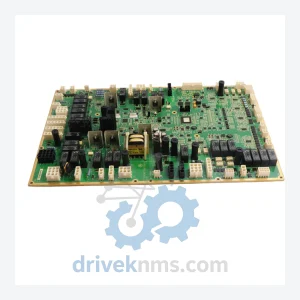
GE IS200WETBH1BAA Elevator Control Board – Obsolete Speedtronic Spare Part
General Electric IS200WETBH1BAA is listed for Controller Cards RFQ review. Confirm quantity, condition and destination before quotation.
RFQ-ready industrial model
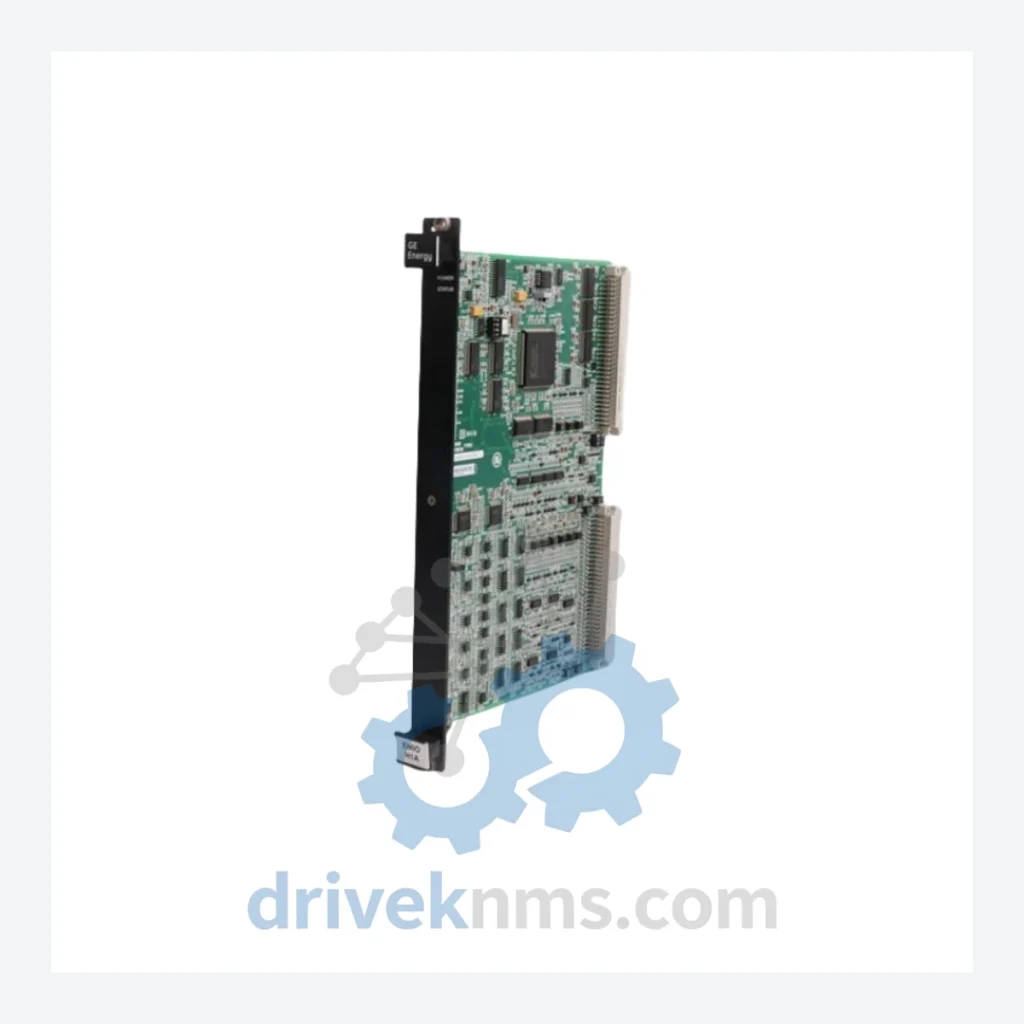
Model: IS200EMIOH1A
Product Overview
Commercial availability is handled through direct RFQ, model verification and export-oriented follow-up rather than public cart checkout.
Datasheet Preview
Use attached product manuals when available. If the manual is not public yet, request the full file directly through RFQ.
Commercial Path
Product pages on DRIVEKNMS are designed to verify model, brand and series first, then move the buyer into one clean quotation path.
Technical Dossier
GE's Speedtronic turbine control lineage spans six generations. The MKI through MKIV systems used analog and relay-based logic. The MKV (introduced early 1990s) was the first fully digital platform, using VME-bus architecture and proprietary I/O boards. The MKVI (introduced late 1990s, widely deployed 2000–2015) replaced VME with a dedicated IONet Ethernet-based I/O network, enabling distributed I/O placement closer to field devices. Key architectural advances include triple-redundant processor voting (TMR – Triple Modular Redundancy), hot-swappable I/O modules, and integrated diagnostics via the HMI ToolboxST software suite.
Compatibility note: MKVI boards are not backward-compatible with MKV racks. The MKVI-e (enhanced) variant introduced around 2008 added expanded memory and faster scan rates but retained the same physical form factor and IONet protocol, allowing mixed deployment in some configurations. As of 2020, GE has transitioned new installations to the Mark VIe platform. The MKVI is now in its extended lifecycle phase, with OEM support limited. Third-party suppliers such as DriveKNMS provide the primary sourcing channel for replacement modules.
Processor & Controller Modules
Main I/O Modules
Communication & Network Modules
Speed & Vibration Modules
Power Supply Modules
Continue The Model Path
Move from this exact model into the matching system hub, brand archive, model-family archive or lifecycle sourcing route before sending a final RFQ list.
Related Paths
General Electric IS200WETBH1BAA is listed for Controller Cards RFQ review. Confirm quantity, condition and destination before quotation.
General Electric IS200TRLYH1BED IS200TRLYH1B is listed for Controller Cards RFQ review. Confirm quantity, condition and destination before quotation.
General Electric IS230SNRLH2A IS200SRLYH2AAA is listed for Controller Cards RFQ review. Confirm quantity, condition and destination before quotation.