
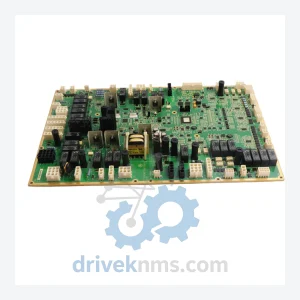
GE IS200WETBH1BAA Elevator Control Board – Obsolete Speedtronic Spare Part
General Electric IS200WETBH1BAA is listed for Controller Cards RFQ review. Confirm quantity, condition and destination before quotation.
RFQ-ready industrial model
Model: IS200SRTDH2A
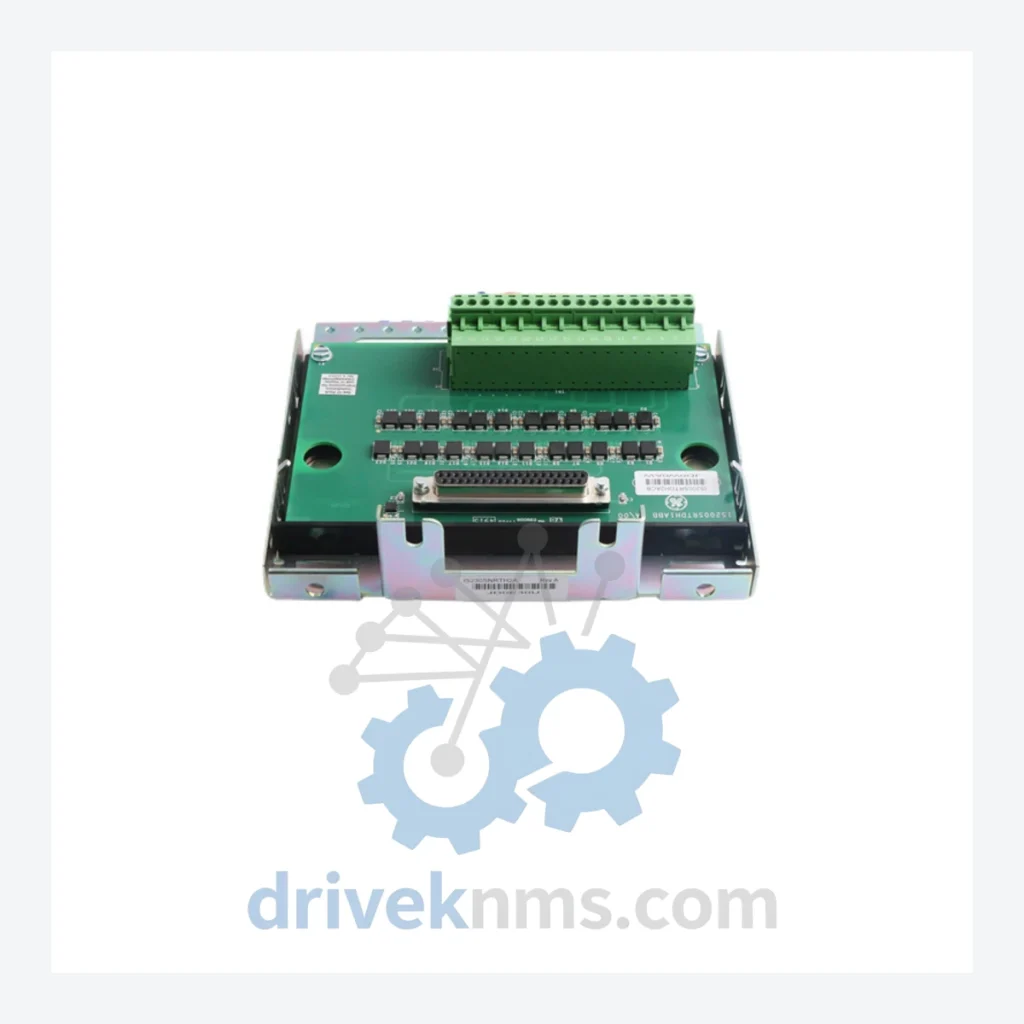
Product Overview
Commercial availability is handled through direct RFQ, model verification and export-oriented follow-up rather than public cart checkout.
Datasheet Preview
Use attached product manuals when available. If the manual is not public yet, request the full file directly through RFQ.
Commercial Path
Product pages on DRIVEKNMS are designed to verify model, brand and series first, then move the buyer into one clean quotation path.
Technical Dossier
The GE IS200 series constitutes the core I/O, control, and communication module family deployed within GE's Mark VI and Mark VIe Turbine Control Systems. These systems are installed across critical global infrastructure including gas turbine power plants, combined-cycle facilities, nuclear auxiliary systems, petrochemical refineries, and offshore oil & gas platforms. The IS200 platform is recognized as one of the most widely deployed turbine control architectures in heavy industry, with an installed base spanning North America, Europe, the Middle East, and Asia-Pacific. Its modular backplane architecture allows for granular replacement of individual I/O cards without full system shutdown, making spare parts availability a primary operational concern for plant maintenance engineers and reliability teams.
The IS200 series was introduced as part of GE's transition from the earlier Mark V platform (TMR-based, relay logic) to the fully digital, triple-modular redundant (TMR) Mark VI architecture in the mid-1990s. Early IS200 modules operated on the IONET and ARCNET communication backbones. As the platform matured into the Mark VIe generation (introduced circa 2005), GE migrated the communication layer to Ethernet-based IONet, introducing a new generation of IS200 cards with enhanced diagnostics and firmware revision compatibility requirements.
Key architectural transitions:
Compatibility between Mark VI and Mark VIe IS200 modules is not universal. Slot assignment, firmware revision, and I/O pack pairing must be verified before substitution. Plants operating legacy Mark VI systems face increasing obsolescence risk as GE has transitioned support focus to Mark VIe and Mark VIe-m platforms.
The following IS200 series modules are classified by functional category. All models listed are verified components within the GE Mark VI / Mark VIe / EX2100 control ecosystem.
RTD / Thermocouple Input Modules
Analog Input / Output Modules
Digital Input Modules
Digital Output / Relay Modules
Speed / Pulse Input Modules
Power Supply Modules
Communication / Processor Modules
GE has formally discontinued active manufacturing support for the majority of original Mark VI IS200 series modules. Plants operating these systems beyond their original design life — commonly 20–30 years in baseload power generation — face a secondary market dependency for spare parts procurement. DriveKNMS maintains a dedicated inventory of IS200 series modules sourced through controlled decommissioning projects, OEM surplus channels, and verified third-party refurbishers.
DriveKNMS provides lifecycle extension support including: cross-reference identification for superseded part numbers, firmware revision documentation, and compatibility verification between I/O terminal boards and their associated I/O packs. For plants transitioning from Mark VI to Mark VIe, DriveKNMS can supply both legacy and current-generation IS200/IS215 modules to support phased migration without full system replacement.
All obsolete IS200 modules are sourced with full traceability documentation and are available for immediate dispatch to minimize unplanned outage duration.
IS200 series modules present specific testing challenges due to their backplane-dependent communication architecture and TMR voting logic. DriveKNMS applies the following verification procedures to all IS200 inventory:
Continue The Model Path
Move from this exact model into the matching system hub, brand archive, model-family archive or lifecycle sourcing route before sending a final RFQ list.
Related Paths
General Electric IS200WETBH1BAA is listed for Controller Cards RFQ review. Confirm quantity, condition and destination before quotation.
General Electric IS200TRLYH1BED IS200TRLYH1B is listed for Controller Cards RFQ review. Confirm quantity, condition and destination before quotation.
General Electric IS210AEPSG1AFC IS210AEPSG1 is listed for IS210 Series RFQ review. Confirm quantity, condition and destination before quotation.