
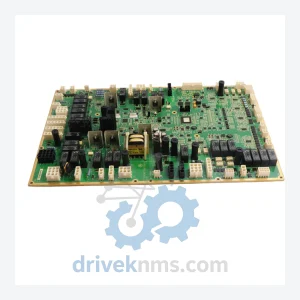
GE IS200WETBH1BAA Elevator Control Board – Obsolete Speedtronic Spare Part
General Electric IS200WETBH1BAA is listed for Controller Cards RFQ review. Confirm quantity, condition and destination before quotation.
RFQ-ready industrial model
Model: IS200SRTDH2ACV
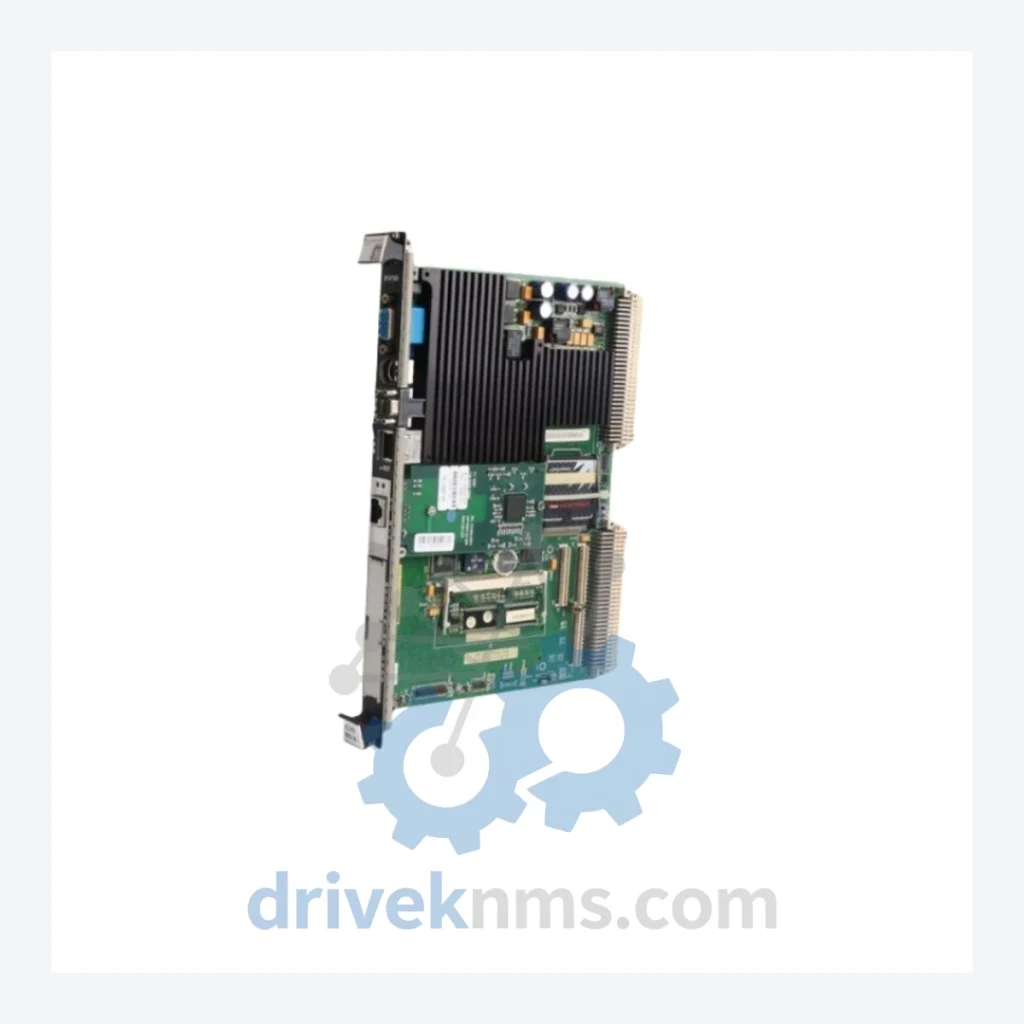
Product Overview
Commercial availability is handled through direct RFQ, model verification and export-oriented follow-up rather than public cart checkout.
Datasheet Preview
Use attached product manuals when available. If the manual is not public yet, request the full file directly through RFQ.
Commercial Path
Product pages on DRIVEKNMS are designed to verify model, brand and series first, then move the buyer into one clean quotation path.
Technical Dossier
The GE IS200 series constitutes the core I/O, relay, communication, and power distribution hardware of GE's Mark VI Turbine Control System and the EX2100 Excitation Control platform. Deployed across heavy industrial sectors — including petrochemical refineries, nuclear power stations, combined-cycle gas turbine plants, and offshore oil & gas facilities — the IS200 series represents one of the most widely installed distributed control architectures in global power generation infrastructure. Installed base estimates exceed tens of thousands of units across North America, Europe, the Middle East, and Asia-Pacific. The modular backplane architecture allows individual boards to be replaced without full system shutdown, making spare parts availability a critical operational concern for plant maintenance teams operating under long asset lifecycles (20–40 years).
The IS200 hardware lineage originates from GE's SPEEDTRONIC Mark V platform (late 1980s), which used discrete relay logic and analog signal conditioning. The Mark VI (introduced mid-1990s) transitioned to a fully digital, triple-redundant (TMR) or simplex architecture using the IS200 board family over a VME-derived backplane with proprietary IONet and ARCNET communication buses. Key architectural milestones include the introduction of the VCMI (VME Communication Module Interface) for inter-controller communication, the PPRO processor board for real-time turbine sequencing, and the relay terminal boards (SRLY, SRTD families) for hardwired trip and alarm circuits. The EX2100 excitation control system shares a significant subset of IS200 boards, particularly in the analog I/O and power supply domains. Compatibility constraints are strict: IS200 boards are not interchangeable with IS215 (Mark VIe) boards without firmware and backplane adapter changes. Plants migrating from Mark VI to Mark VIe must conduct full I/O mapping audits. The IS200 series entered the mature/end-of-active-production phase circa 2015, with GE transitioning new installations to the Mark VIe (IS215 series). However, the installed base remains extensive, and GE Vernova (formerly GE Gas Power) continues to offer limited OEM support. Third-party MRO suppliers such as DriveKNMS provide lifecycle extension services for obsolete and hard-to-find IS200 variants.
The following IS200 series modules are classified by functional category. Each SKU represents a verified, commonly stocked component within the Mark VI / EX2100 control architecture.
Relay & Terminal Boards
Analog I/O Modules
Digital I/O Modules
Processor & Communication Modules
Power Supply Modules
Q: How is condition confirmed before quotation?
A: Available condition, photos, test records and documentation are checked according to the requested model and sourcing channel before a formal RFQ response.
IS200 boards present specific test challenges due to their multi-layer VME backplane interface, proprietary ARCNET/IONet communication stacks, and mixed analog-digital signal paths. DriveKNMS applies a structured test protocol for all IS200 units prior to shipment. Relay output boards (SRTD, SRLY families) undergo coil continuity measurement, contact resistance verification (<100 mΩ per contact), and dielectric withstand testing at 1500 VAC for 60 seconds. Analog I/O boards are bench-tested against GE's published accuracy specifications using calibrated signal sources traceable to NIST standards. Processor and communication boards (PPRO, VCMI) are powered in a live Mark VI test rack and validated for IONet enumeration, firmware version integrity, and inter-board communication handshake. All boards are inspected for capacitor ESR degradation, solder joint integrity under 10× magnification, and conformal coating condition. Units failing any test parameter are quarantined and not offered for sale.
Continue The Model Path
Move from this exact model into the matching system hub, brand archive, model-family archive or lifecycle sourcing route before sending a final RFQ list.
Related Paths
General Electric IS200WETBH1BAA is listed for Controller Cards RFQ review. Confirm quantity, condition and destination before quotation.
General Electric IS200TRLYH1BED IS200TRLYH1B is listed for Controller Cards RFQ review. Confirm quantity, condition and destination before quotation.
General Electric IS230SNRLH2A IS200SRLYH2AAA is listed for Controller Cards RFQ review. Confirm quantity, condition and destination before quotation.