
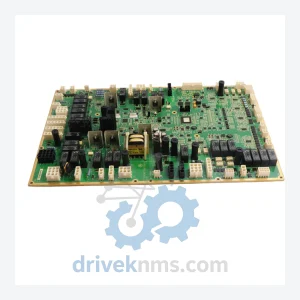
GE IS200WETBH1BAA Elevator Control Board – Obsolete Speedtronic Spare Part
General Electric IS200WETBH1BAA is listed for Controller Cards RFQ review. Confirm quantity, condition and destination before quotation.
RFQ-ready industrial model
Model: IS210AEBIH3BED
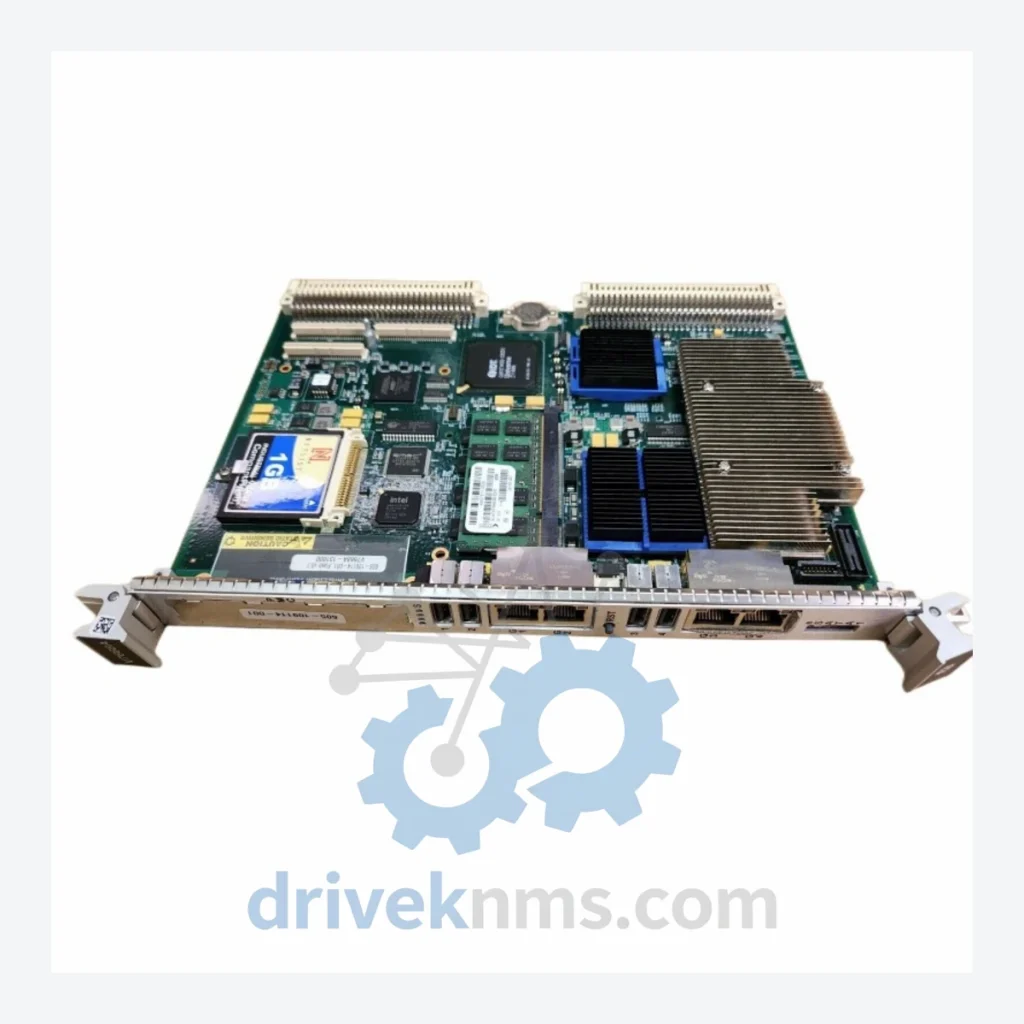
Product Overview
Commercial availability is handled through direct RFQ, model verification and export-oriented follow-up rather than public cart checkout.
Datasheet Preview
Use attached product manuals when available. If the manual is not public yet, request the full file directly through RFQ.
Commercial Path
Product pages on DRIVEKNMS are designed to verify model, brand and series first, then move the buyer into one clean quotation path.
Technical Dossier
The GE IS210 series constitutes the core I/O, processor, and communication module family deployed within GE's Mark VI Turbine Control System and EX2100 Excitation Control platform. These systems are installed across heavy industrial sectors globally, including petrochemical refineries, nuclear power stations, combined-cycle gas turbine plants, offshore platforms, and large-scale chemical processing facilities. The IS210 series represents GE's standardized VME-based architecture for turbine and generator control, with a global installed base spanning thousands of units across North America, the Middle East, Europe, and Asia-Pacific. Due to the long operational lifecycle of gas and steam turbines (20–40 years), IS210 modules remain in active demand for maintenance, emergency replacement, and lifecycle extension programs well beyond their original production window.
The IS210 series was introduced as part of GE's transition from the earlier Mark V control platform (based on the TCCA/TCPS card architecture) to the Mark VI, which adopted a VMEbus-based backplane with deterministic real-time communication via the IONet and IONET redundant networks. Early IS210 modules (circa late 1990s to early 2000s) were designed for single-board simplex configurations. Subsequent hardware revisions introduced TMR (Triple Modular Redundancy) support, enabling fault-tolerant operation critical for nuclear and refinery applications.
The series evolved through multiple board revisions (denoted by suffix characters such as A, B, C, D in the part number), with each revision addressing EMI compliance, FPGA firmware updates, connector reliability, and compatibility with updated Mark VI software releases (e.g., ToolboxST versions). Compatibility between board revisions and specific ToolboxST firmware versions is a known integration constraint: substituting a later board revision without corresponding firmware alignment can result in communication faults or I/O mapping errors. As GE transitioned toward the Mark VIe platform (IS420 series), the IS210 series entered a mature/end-of-production phase. GE ceased active manufacturing of most IS210 variants, making third-party refurbished and surplus inventory the primary sourcing channel for ongoing maintenance.
The following SKUs represent verified, commonly deployed modules within the GE IS210 series, organized by functional category:
Processor / Controller Modules
Analog Input (AI) Modules
Analog Output (AO) Modules
Digital Input (DI) Modules
Digital Output (DO) Modules
Communication / Network Adapter Modules
Power Supply Modules
Specialty / Turbine-Specific Modules
Q: How is condition confirmed before quotation?
A: Available condition, photos, test records and documentation are checked according to the requested model and sourcing channel before a formal RFQ response.
IS210 modules present specific test challenges due to their VMEbus backplane architecture, FPGA-based I/O mapping, and multi-board inter-dependency within the Mark VI rack. DriveKNMS applies a structured test protocol for each IS210 unit: (1) Visual inspection for PCB damage, corroded connectors, and capacitor condition; (2) Powered bench test using a dedicated Mark VI rack simulator to verify backplane communication and module self-diagnostics; (3) Functional I/O verification—each analog and digital channel is exercised against calibrated reference signals; (4) FPGA firmware version verification and, where applicable, reflashing to the specified revision; (5) Final burn-in test (minimum 48 hours at operating temperature) to screen for latent component failures. Modules that do not pass all stages are quarantined and not offered for sale.
Continue The Model Path
Move from this exact model into the matching system hub, brand archive, model-family archive or lifecycle sourcing route before sending a final RFQ list.
Related Paths
General Electric IS200WETBH1BAA is listed for Controller Cards RFQ review. Confirm quantity, condition and destination before quotation.
General Electric IS200TRLYH1BED IS200TRLYH1B is listed for Controller Cards RFQ review. Confirm quantity, condition and destination before quotation.
General Electric IS230SNRLH2A IS200SRLYH2AAA is listed for Controller Cards RFQ review. Confirm quantity, condition and destination before quotation.