
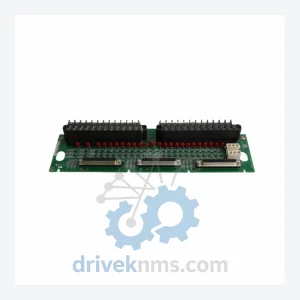
GE Fanuc IS200TBCIS2CCD I/O Terminal Board – Mark VI Redundant Control System
GE Fanuc IS200TBCIS2CCD is listed for Mark VI RFQ review. Confirm quantity, condition and destination before quotation.
RFQ-ready industrial model
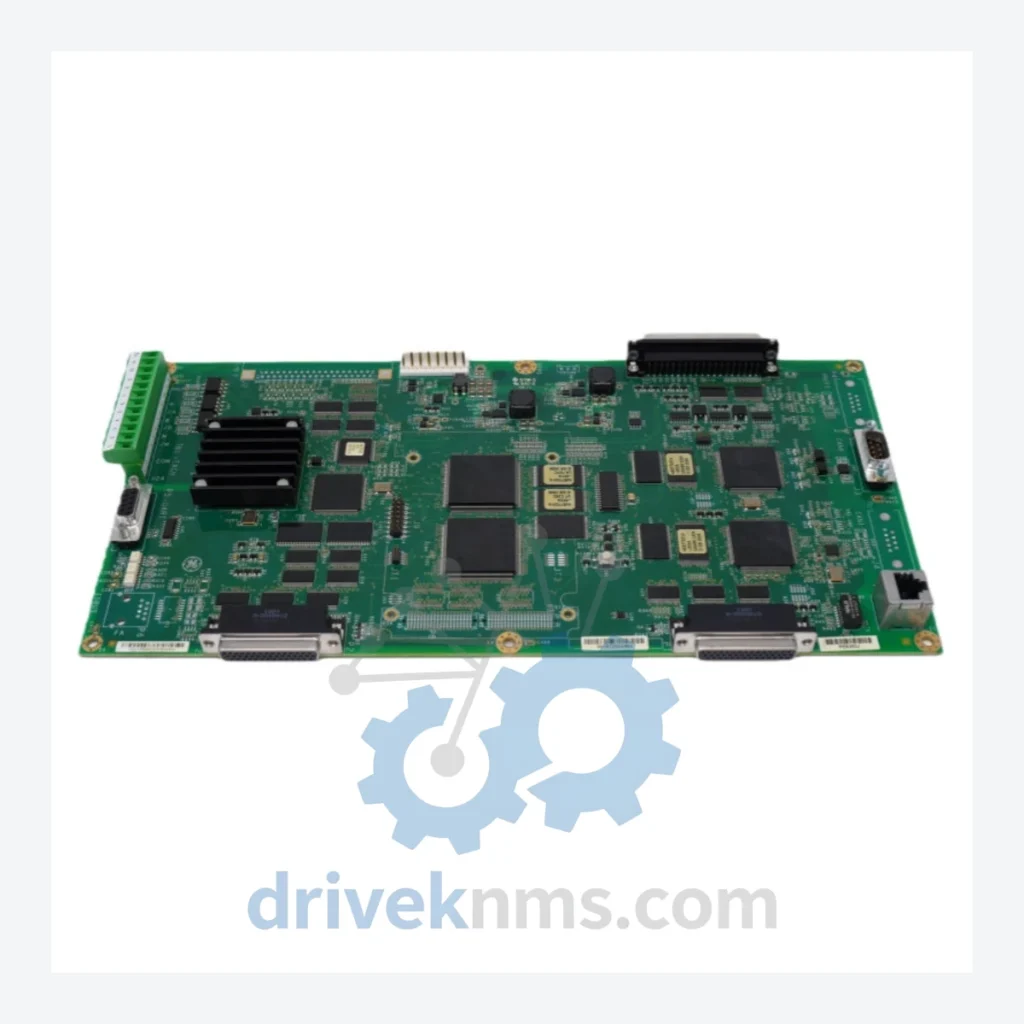
Model: IS210MACCH1A
Product Overview
Commercial availability is handled through direct RFQ, model verification and export-oriented follow-up rather than public cart checkout.
Datasheet Preview
Use attached product manuals when available. If the manual is not public yet, request the full file directly through RFQ.
Commercial Path
Product pages on DRIVEKNMS are designed to verify model, brand and series first, then move the buyer into one clean quotation path.
Technical Dossier
RFQ support for obsolete parts: Send the model number, required quantity and destination so DriveKNMS can confirm sourcing options before quotation.
| Parameter | Detail |
|---|---|
| Part Number | IS210MACCH1A |
| Manufacturer | GE (General Electric) |
| Series | Mark VI Turbine Control System |
| Module Type | Input Terminal Board (MACC) |
| OEM Status | Discontinued / Obsolete – No longer manufactured by GE |
| Compatible Systems | GE Mark VI, Mark VI redundant TMR configurations |
| Country of Origin | United States |
| Condition Available | New surplus / Professionally refurbished |
Note: Electrical parameters not independently verified. Specifications are based on known series characteristics. DriveKNMS does not publish unverified data.
The GE Mark VI platform has been the backbone of gas turbine, steam turbine, and combined-cycle power generation control for decades. Thousands of units remain in active service globally — yet GE ceased production of Mark VI hardware components years ago, and authorized service channels no longer carry boards like the IS210MACCH1A.
For plant managers and reliability engineers, this creates a specific and serious operational risk: a single failed input terminal board can take an entire turbine string offline. Without a spare on hand, the options narrow quickly — wait months for a broker to locate one, accept a refurbished unit of unknown provenance, or begin the budget and engineering process for a full control system upgrade.
The IS210MACCH1A handles machine analog and contact input signal conditioning within the Mark VI I/O architecture. Its role in the signal chain means there is no workaround, no bypass, and no software patch that substitutes for a functioning board. Facilities running Mark VI in TMR (Triple Modular Redundant) configurations are particularly exposed: a degraded redundancy state is an unacceptable long-term operating condition under most safety and insurance frameworks.
DriveKNMS maintains a dedicated inventory position in discontinued GE Mark VI hardware precisely because the demand does not disappear when the OEM stops shipping. Power generation assets with 20–30 year design lives outlast their original component supply chains. Protecting those assets requires a sourcing partner that treats obsolete hardware as a strategic category, not an afterthought.
Q: How are RFQ terms confirmed?
A: Quantity, required condition, documentation needs, destination and sourcing route are confirmed during RFQ review before quotation.
2. Establish a minimum two-unit spare position for Tier 1 components. One spare is a single point of failure. Two spares provide a working replacement and a rebuild candidate. For a turbine generating $50,000–$200,000 per day, the cost of two IS210MACCH1A boards is not a procurement decision — it is a risk management decision.
3. Source from RFQ-reviewed sourcing status, not spot market speculation. The secondary market for Mark VI hardware contains boards of widely varying condition and history. Insist on documented inspection records, functional test results, and clear condition grading before accepting any critical I/O board into your spare parts inventory.
5. Document firmware and configuration baselines. Before any board swap, ensure your Mark VI configuration files and firmware versions are archived and accessible. A drop-in replacement board that requires re-parameterization due to missing documentation adds hours to an already costly outage.
Sourcing an obsolete board from the secondary market carries inherent risk. DriveKNMS applies a structured 5-step inspection protocol to every IS210MACCH1A unit before it is offered for sale:
Step 1 – Visual and mechanical inspection. Full examination of PCB surface, connector pins, and housing for physical damage, corrosion, or evidence of prior field repair.
Step 2 – Electrolytic capacitor assessment. Capacitors are the primary age-related failure point in boards of this vintage. Each unit is evaluated for bulging, leakage, and ESR deviation. Units with degraded capacitors are either recapped or removed from saleable inventory.
Step 3 – Firmware version verification. Where accessible, firmware revision is documented and cross-referenced against known compatible versions for Mark VI applications.
Step 4 – Connector and pin integrity check. All I/O connectors are inspected for pin straightness, oxidation, and contact resistance. Corroded or deformed pins are addressed before the unit is cleared.
Step 5 – Functional burn-in and final grading. Units are powered and functionally tested where test fixtures permit. Each board is graded and condition-documented prior to shipment.
Drop-in replacement compatibility. The IS210MACCH1A is a direct form-fit-function replacement for the original installed board. No rack modification, no wiring change, and no software re-engineering is required. Swap time is measured in minutes, not days.
No reprogramming required. Mark VI I/O boards of this type carry no site-specific configuration. The system configuration resides in the controller, not the terminal board. A replacement board restores full function immediately upon installation.
Avoids engineering project costs. A control system upgrade project for a single turbine string typically requires 12–24 months of engineering, FAT, SAT, and commissioning work. A verified spare board eliminates that timeline entirely for the failure scenario it covers.
Continue The Model Path
Move from this exact model into the matching system hub, brand archive, model-family archive or lifecycle sourcing route before sending a final RFQ list.
Related Paths
GE Fanuc IS200TBCIS2CCD is listed for Mark VI RFQ review. Confirm quantity, condition and destination before quotation.
General Electric DS200TBQDG1AFF is listed for Mark VI RFQ review. Confirm quantity, condition and destination before quotation.
General Electric 531X306LCCBEG3 is listed for Mark VI RFQ review. Confirm quantity, condition and destination before quotation.