
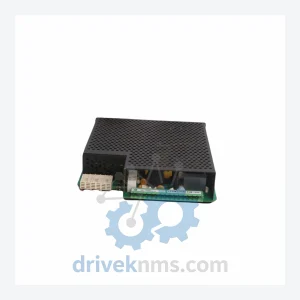
GE URSHB Power Supply Module – Obsolete UR Series Spare Part
GE Grid Solutions URSHB UR SHB is listed for UR Series RFQ review. Confirm quantity, condition and destination before quotation.
RFQ-ready industrial model
Model: UR 6TH
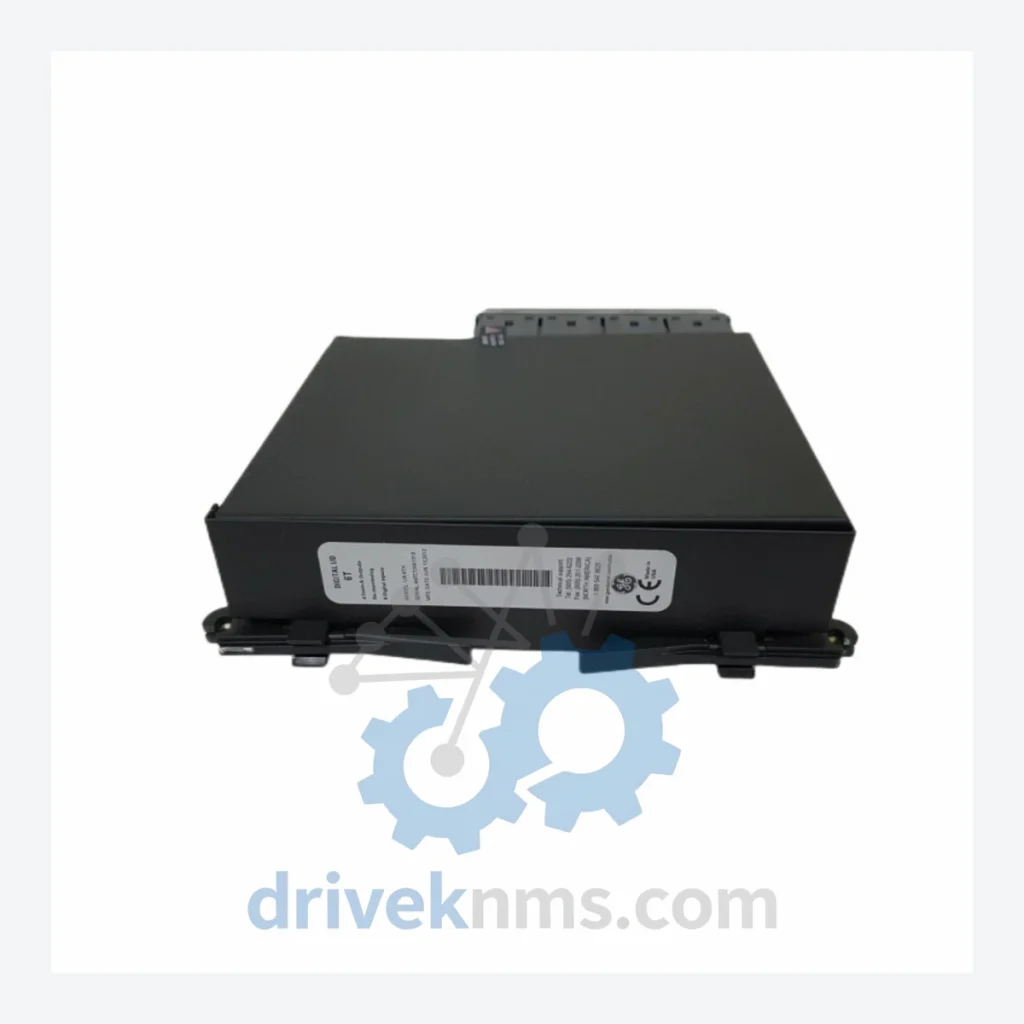
Product Overview
Commercial availability is handled through direct RFQ, model verification and export-oriented follow-up rather than public cart checkout.
Datasheet Preview
Use attached product manuals when available. If the manual is not public yet, request the full file directly through RFQ.
Commercial Path
Product pages on DRIVEKNMS are designed to verify model, brand and series first, then move the buyer into one clean quotation path.
Technical Dossier
RFQ support for obsolete parts: Send the model number, required quantity and destination so DriveKNMS can confirm sourcing options before quotation.
| Parameter | Detail |
|---|---|
| Part Number | UR 6TH |
| Manufacturer | GE Grid Solutions (formerly GE Multilin) |
| Series | UR (Universal Relay) Platform |
| Module Function | Digital I/O (Input/Output) Module |
| Product Status | Discontinued / Obsolete – No longer manufactured |
| Typical Host Systems | GE UR Series Relay Chassis (T35, T60, L90, D60, C60, F60, G60, B90, etc.) |
| Form Factor | Plug-in module, UR chassis-compatible slot |
| Country of Origin | United States |
Note: Electrical parameters not confirmed from official documentation are intentionally omitted. Specifications will be verified against the physical unit prior to shipment upon request.
The GE UR platform has been deployed in substations, power plants, and industrial facilities for over two decades. Its modular architecture was a deliberate design choice — individual function modules could be swapped without replacing the entire relay. That same architecture is now the source of a procurement problem: as GE Grid Solutions has transitioned its protection relay portfolio toward newer platforms, legacy UR modules have exited the supply chain entirely.
The alternative — sourcing a verified replacement 6TH module — preserves the existing relay configuration, avoids re-commissioning, and extends the operational life of the installed base by five to ten years at a fraction of the cost. This is not a workaround. It is a documented asset preservation strategy used by utilities and industrial operators globally. DriveKNMS sources, inspects, and holds inventory of exactly these modules to support that strategy.
Facilities facing pressure to retire aging protection relay infrastructure often underestimate the true cost of early migration. The following approach has been used by power utilities and heavy industrial operators to defer system replacement while maintaining full protection integrity:
1. Conduct a module-level failure mode audit. Identify which UR module types — I/O, power supply, communications, DSP — represent the highest failure risk based on age and operating environment. The 6TH Digital I/O module, due to its role in contact input and output switching, is typically a high-cycle component and warrants priority attention.
2. Establish a critical spare inventory. For each UR chassis type in service, maintain at minimum one verified spare of each module type. The cost of holding a spare 6TH module is negligible compared to the cost of an unplanned outage or forced relay replacement.
3. Implement a scheduled inspection cycle. Annual visual inspection of module connectors, contact surfaces, and internal components — combined with functional testing during planned outages — identifies degradation before it becomes a failure event.
4. Document firmware and settings files. Ensure that relay settings files and firmware versions are archived and version-controlled. When a module is replaced, the relay configuration must be restored exactly. This documentation is the difference between a two-hour swap and a two-week re-commissioning project.
Sourcing an obsolete module from an unverified channel introduces risk that is unacceptable in a protection relay application. DriveKNMS applies a five-step inspection protocol to every UR 6TH unit before it is offered for sale:
Step 1 – Visual and mechanical inspection. Full examination of the module housing, connector pins, and PCB surface for physical damage, corrosion, or evidence of prior repair.
Step 2 – Electrolytic capacitor assessment. Aged electrolytic capacitors are the most common failure point in legacy relay modules. Each unit is evaluated for capacitor condition, with replacement performed where degradation is identified.
Q: How are RFQ terms confirmed?
A: Quantity, required condition, documentation needs, destination and sourcing route are confirmed during RFQ review before quotation.
Step 4 – Firmware version verification. Where accessible, firmware version is documented and cross-referenced against known UR platform compatibility requirements.
Step 5 – Functional test. The module is powered and tested for correct I/O response prior to packaging. Units that do not pass functional testing are not offered for sale.
Drop-in replacement compatibility. The UR 6TH is a direct slot-compatible replacement for the same module position in any UR chassis. No hardware modification is required.
No relay re-programming required. Replacing a failed 6TH module with a verified spare does not require changes to the relay settings file. The existing configuration remains intact, eliminating the need for re-commissioning or protection engineer involvement beyond the physical swap.
Avoids engineering reconstruction costs. The alternative to a spare module is a relay replacement project. That project involves new hardware, new settings, factory acceptance testing, site commissioning, and SCADA reconfiguration. A verified spare module eliminates all of that cost and timeline.
Supports long-term asset management planning. Facilities that establish a spare module inventory for their UR fleet gain the ability to plan maintenance on their own schedule, rather than responding to failures under emergency conditions.
Q: Can you support multi-unit or repeat RFQ requests?
A: Yes. Send the model list, target quantity and destination so DRIVEKNMS can review sourcing options and quote the requirement as a project RFQ.
Q: Can DriveKNMS source other UR Series modules?
A: Yes. DriveKNMS specializes in obsolete and hard-to-find industrial automation and protection relay components. Contact us with your full part number list for availability and pricing.
Continue The Model Path
Move from this exact model into the matching system hub, brand archive, model-family archive or lifecycle sourcing route before sending a final RFQ list.
Related Paths
GE Grid Solutions URSHB UR SHB is listed for UR Series RFQ review. Confirm quantity, condition and destination before quotation.
GE Grid Solutions UR8LV UR 8LV is listed for UR Series RFQ review. Confirm quantity, condition and destination before quotation.
GE Grid Solutions UR7IH UR 7IH is listed for UR Series RFQ review. Confirm quantity, condition and destination before quotation.