
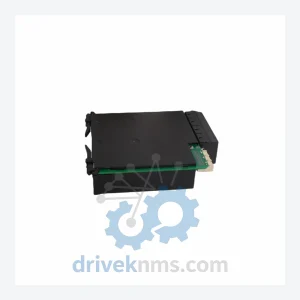
GE UR8LV CT/VT Module – Obsolete UR Series Spare Part
GE Grid Solutions UR8LV UR 8LV is listed for UR Series RFQ review. Confirm quantity, condition and destination before quotation.
RFQ-ready industrial model
Model: UR6NH
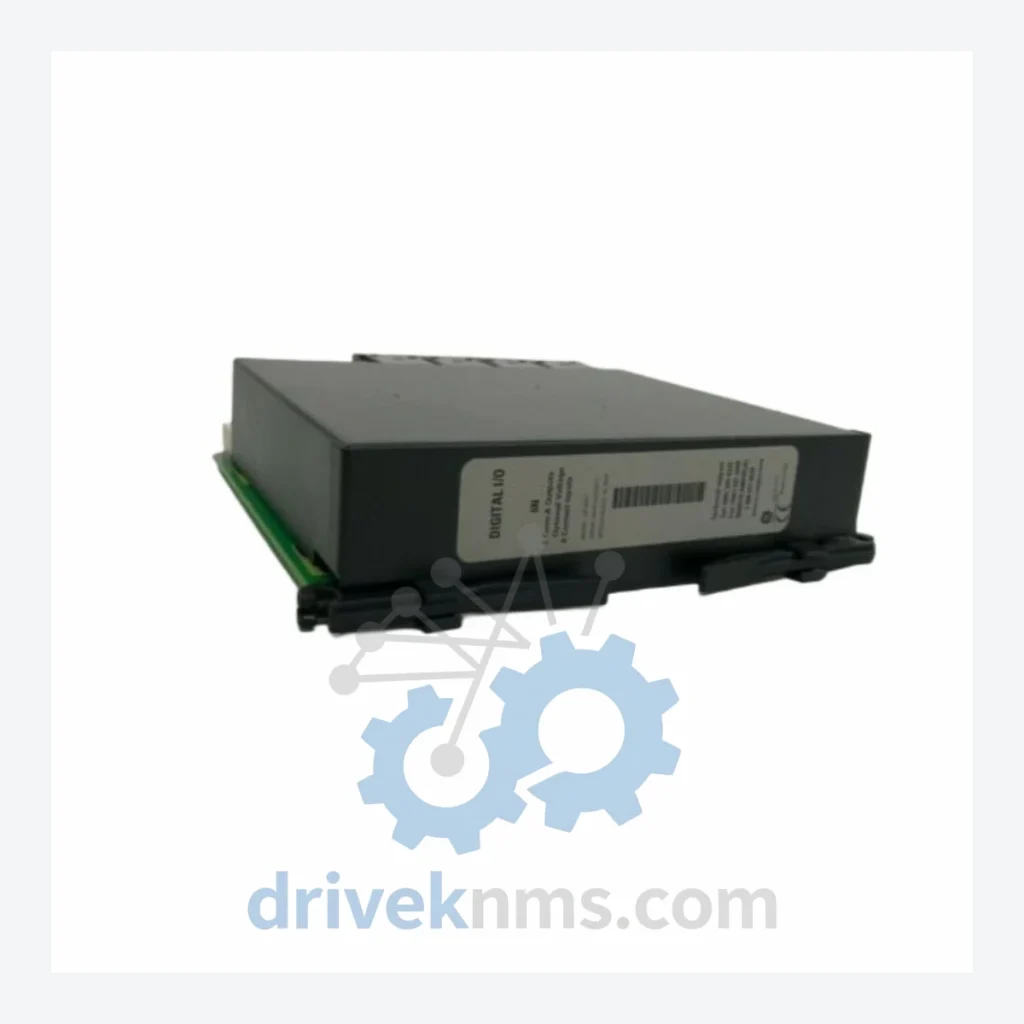
Product Overview
Commercial availability is handled through direct RFQ, model verification and export-oriented follow-up rather than public cart checkout.
Datasheet Preview
Use attached product manuals when available. If the manual is not public yet, request the full file directly through RFQ.
Commercial Path
Product pages on DRIVEKNMS are designed to verify model, brand and series first, then move the buyer into one clean quotation path.
Technical Dossier
DriveKNMS maintains RFQ-reviewed sourcing status of the GE UR6NH. For facilities operating aging UR-series relays, this is not a commodity purchase — it is a direct instrument of asset protection.
RFQ support for obsolete parts: Send the model number, required quantity and destination so DriveKNMS can confirm sourcing options before quotation.
| Attribute | Detail |
|---|---|
| Manufacturer | GE (General Electric) / GE Grid Solutions |
| Part Number | UR6NH |
| Series | UR Series (Universal Relay) |
| Module Type | Digital I/O Module |
| Country of Origin | United States |
| Discontinuation Status | Obsolete – No longer manufactured or supported by OEM |
| Compatible Platform | GE UR Series Protection Relays (e.g., L90, T60, D60, C60, F60, G60, B90, C30) |
| Form Factor | Plug-in module, rear-chassis mount |
Note: Electrical parameters such as I/O voltage ratings, contact configuration, and channel count are chassis-slot and firmware-dependent. DriveKNMS does not publish unverified specifications. Contact us with your relay model and slot assignment for confirmed compatibility data.
The GE UR Series was the dominant protection relay platform for transmission and distribution applications throughout the 1990s and 2000s. Its modular architecture — where function-specific cards occupy defined chassis slots — was a strength during active production. That same architecture becomes a liability once OEM support ends: every slot type becomes a discrete obsolescence risk.
The UR6NH occupies a Digital I/O role within this architecture. Digital I/O modules handle the physical interface between the relay's logic and the substation's hardwired control circuits — trip outputs, alarm contacts, binary status inputs from breakers and disconnects. There is no software workaround for a failed I/O module. The relay cannot perform its protection function without it.
DriveKNMS sources UR6NH modules through controlled channels, applies a structured QA process before any unit leaves our facility, and maintains traceability records. For protection relay applications, this is the minimum acceptable standard.
Extending Asset Life by 5–10 Years: A Practical Framework for Plant Management
This approach consistently delivers 5–10 years of additional service life from legacy relay platforms at a fraction of the cost of forced migration.
Protection relay components operate in environments where failure has direct safety and grid-stability consequences. DriveKNMS applies a five-step QA process to every UR6NH unit before it is offered for sale:
Q: How are RFQ terms confirmed?
A: Quantity, required condition, documentation needs, destination and sourcing route are confirmed during RFQ review before quotation.
Should I buy more than one unit?
For any installation where the UR6NH is a single point of failure, holding a minimum of one verified spare on-site is a basic risk management measure. For multi-chassis installations or facilities without rapid access to secondary market sourcing, two units is the recommended minimum. The cost of a second spare is negligible relative to the cost of an unplanned outage in a protection relay application.
Can DriveKNMS source other UR Series modules?
Yes. DriveKNMS maintains inventory across multiple UR Series module types. Contact us with your full module list for availability and pricing.
Continue The Model Path
Move from this exact model into the matching system hub, brand archive, model-family archive or lifecycle sourcing route before sending a final RFQ list.
Related Paths
GE Grid Solutions UR8LV UR 8LV is listed for UR Series RFQ review. Confirm quantity, condition and destination before quotation.
GE Grid Solutions URSHB UR SHB is listed for UR Series RFQ review. Confirm quantity, condition and destination before quotation.
GE Grid Solutions UR7IH UR 7IH is listed for UR Series RFQ review. Confirm quantity, condition and destination before quotation.