
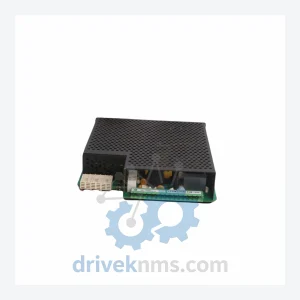
GE URSHB Power Supply Module – Obsolete UR Series Spare Part
GE Grid Solutions URSHB UR SHB is listed for UR Series RFQ review. Confirm quantity, condition and destination before quotation.
RFQ-ready industrial model
Model: UR 9GH UR9GH
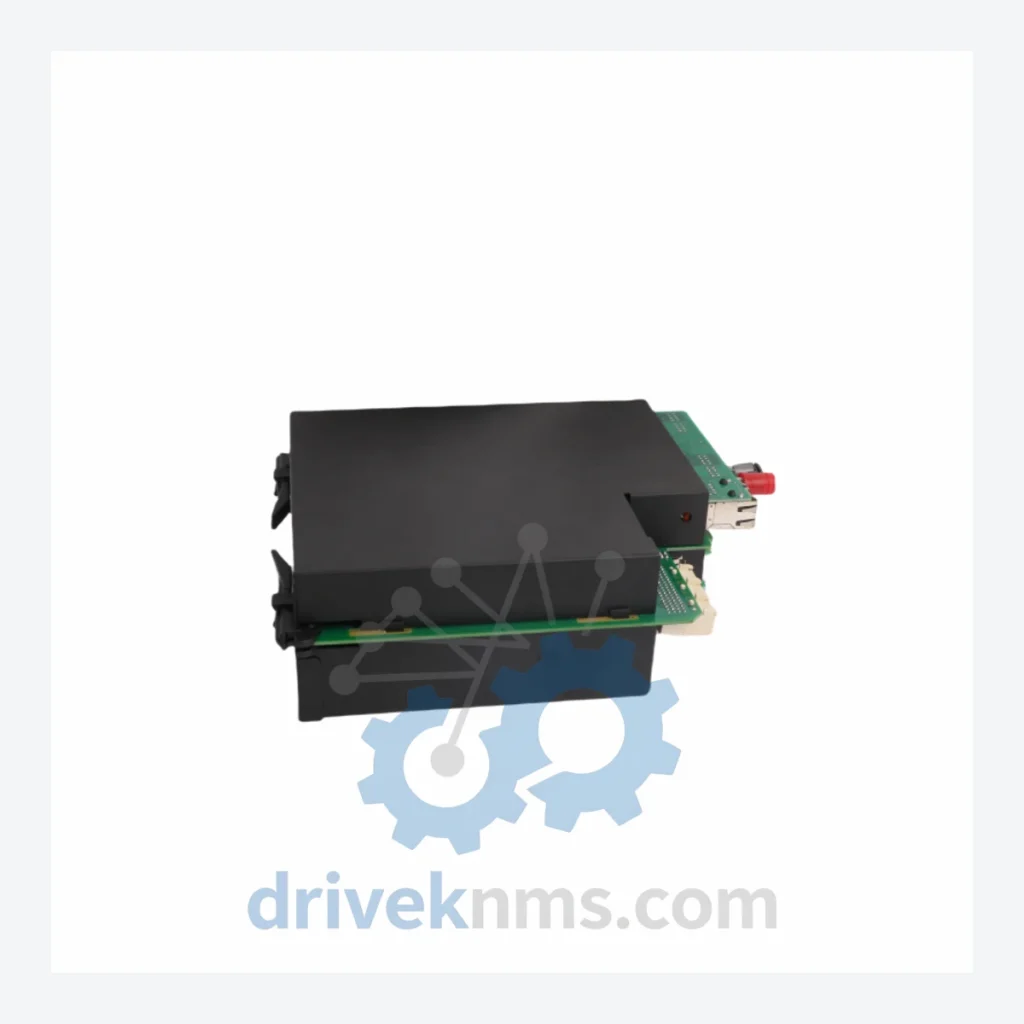
Product Overview
Commercial availability is handled through direct RFQ, model verification and export-oriented follow-up rather than public cart checkout.
Datasheet Preview
Use attached product manuals when available. If the manual is not public yet, request the full file directly through RFQ.
Commercial Path
Product pages on DRIVEKNMS are designed to verify model, brand and series first, then move the buyer into one clean quotation path.
Technical Dossier
The GE UR Series has been the backbone of feeder, transformer, motor, and bus protection across power utilities and heavy industry for over two decades. GE Grid Solutions (formerly GE Multilin) has progressively discontinued hardware support for older UR generations. Replacement CPU modules such as the UR9GH are no longer manufactured, making secondary market sourcing the only viable path for maintenance teams committed to extending asset life.
RFQ support for obsolete parts: Send the model number, required quantity and destination so DriveKNMS can confirm sourcing options before quotation.
Note: Electrical parameters specific to firmware revision and relay order code. Confirm compatibility with your relay nameplate and order code before procurement. DriveKNMS technical team can assist with cross-referencing.
The GE UR Series protection relay platform was engineered for 20–30 year substation lifecycles. The hardware, however, has reached end-of-manufacture well before the end of the installed base's operational life. This creates a structural problem for asset managers: the relay is still performing its protection function correctly, the substation design is built around it, and the utility or plant has no budget cycle for a full IED replacement — yet a single failed CPU module can force exactly that outcome.
The UR9GH CPU module is the computational core of the relay. It handles protection algorithm execution, communications (IEC 61850, DNP3, Modbus depending on firmware), event recording, and HMI interfacing. There is no field-repairable substitute. When this module fails, the relay is offline. In a protection scheme without adequate redundancy, that means either an unprotected feeder or a forced outage.
Sourcing obsolete protection relay components from unverified channels carries real risk. A CPU module that passes visual inspection but has degraded electrolytic capacitors or corrupted firmware will fail in service — potentially at the worst possible moment. DriveKNMS applies a 5-step QA process to all refurbished UR Series CPU modules before dispatch review:
Step 1 – Visual & Mechanical Inspection: Full board inspection for physical damage, corrosion, burnt components, and connector pin integrity. Modules with compromised connectors or PCB damage are rejected at this stage.
Step 2 – Electrolytic Capacitor Assessment: Capacitor ESR (Equivalent Series Resistance) testing to identify aged or failing capacitors. Capacitors showing degradation are replaced with equivalent-spec components before the module proceeds.
Step 3 – Firmware Version Verification: CPU module firmware is read and documented. Compatibility with the target relay chassis and order code is confirmed. Firmware downgrade or upgrade requirements are flagged to the customer before dispatch review.
Step 4 – Functional Bench Test: Where test fixtures are available, modules are powered and subjected to functional verification. Communication ports, memory integrity, and processor operation are checked.
Step 5 – Corrosion & Environmental Damage Screening: Pin and connector corrosion screening using magnification. Modules showing evidence of moisture ingress or chemical contamination are rejected or remediated before dispatch.
Each module ships with a condition report documenting QA outcomes. New surplus modules (unused, original packaging where available) bypass refurbishment steps but undergo full inspection and documentation.
Drop-in Replacement: The UR9GH is a direct hardware replacement for the same module position in compatible UR Series relay chassis. No chassis modification is required.
No Relay Reprogramming Required: Protection settings, logic, and communications configuration are stored in non-volatile memory within the relay — not on the CPU module itself (firmware version dependent; DriveKNMS will confirm for your specific relay). In most cases, swapping the CPU module does not require re-entering protection settings, eliminating the need for a protection engineer site visit for the replacement itself.
Avoids Engineering Reconstruction Costs: A forced relay replacement triggers relay coordination studies, utility approval, new relay programming, FAT/SAT testing, and commissioning — costs that dwarf the price of a spare CPU module. Maintaining a verified spare eliminates this risk entirely.
Q: How are RFQ terms confirmed?
A: Quantity, required condition, documentation needs, destination and sourcing route are confirmed during RFQ review before quotation.
Q: How do I confirm this module is compatible with my specific relay?
A: Provide your relay model number, order code (from the relay nameplate), and current firmware version. DriveKNMS technical staff will confirm compatibility before you commit to purchase.
Q: Can you support multi-unit or repeat RFQ requests?
A: Yes. Send the model list, target quantity and destination so DRIVEKNMS can review sourcing options and quote the requirement as a project RFQ.
Q: How are commercial terms confirmed?
A: Commercial terms are confirmed during RFQ review based on model, quantity, destination, documentation and sourcing route.
Continue The Model Path
Move from this exact model into the matching system hub, brand archive, model-family archive or lifecycle sourcing route before sending a final RFQ list.
Related Paths
GE Grid Solutions URSHB UR SHB is listed for UR Series RFQ review. Confirm quantity, condition and destination before quotation.
GE Grid Solutions UR8LV UR 8LV is listed for UR Series RFQ review. Confirm quantity, condition and destination before quotation.
GE Grid Solutions UR7IH UR 7IH is listed for UR Series RFQ review. Confirm quantity, condition and destination before quotation.