
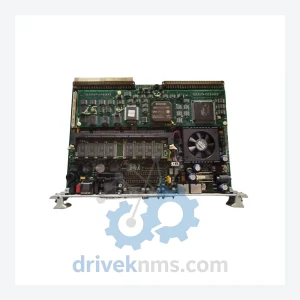
VMIC VMIVME Series Modules VMIVME7589 VMIVME7434
Vmic VMIVME7589 VMIVME7434 is listed for VMIVME Series RFQ review. Confirm quantity, condition and destination before quotation.
RFQ-ready industrial model
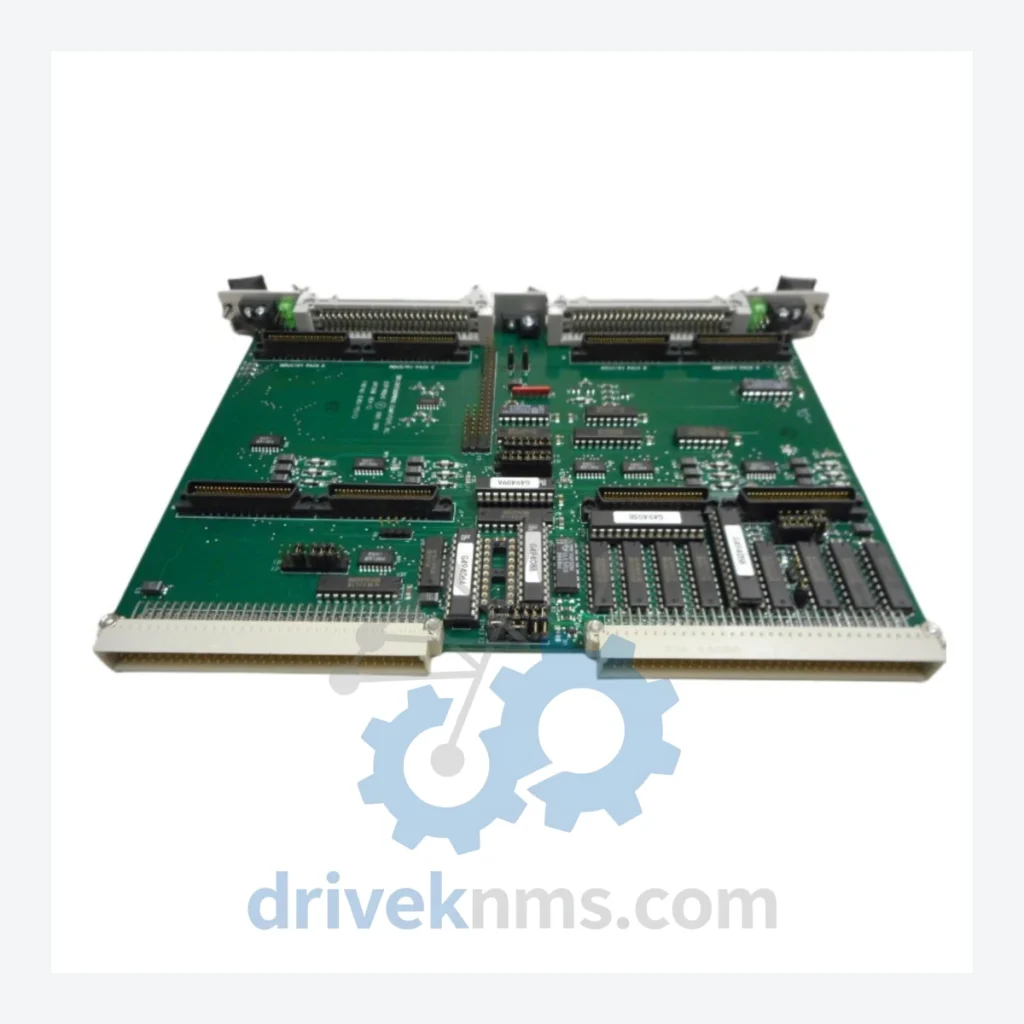
Model: VIPC616
Product Overview
Commercial availability is handled through direct RFQ, model verification and export-oriented follow-up rather than public cart checkout.
Datasheet Preview
Use attached product manuals when available. If the manual is not public yet, request the full file directly through RFQ.
Commercial Path
Product pages on DRIVEKNMS are designed to verify model, brand and series first, then move the buyer into one clean quotation path.
Technical Dossier
RFQ support for obsolete parts: Send the model number, required quantity and destination so DriveKNMS can confirm sourcing options before quotation.
| Parameter | Detail |
|---|---|
| Part Number | VIPC616 |
| Manufacturer | GE (formerly VMIC / GE Fanuc Embedded Systems) |
| Series | VMIVME / VIPC |
| Form Factor | VME (Versa Module Europa) Carrier Card |
| Slot Configuration | 4-Slot |
| Filtering | RF (Radio Frequency) Filtering |
| Bus Standard | VMEbus (IEEE 1014) |
| Lifecycle Status | Discontinued / End-of-Life (EOL) |
| Country of Origin | United States |
| Typical System Compatibility | GE VMIVME embedded control platforms; legacy VMEbus-based industrial control systems |
Note: Electrical parameters not independently verified. Specifications above are drawn from publicly available product documentation. No parameters have been assumed or fabricated. Contact us for datasheet confirmation prior to installation.
The VMEbus architecture was the backbone of industrial embedded computing for over two decades. Facilities running process control, test and measurement, or defense-adjacent automation built around VME infrastructure made capital investments that were designed to last 20–30 years. The VIPC616 carrier card sits at the physical and electrical interface between mezzanine modules and the VME backplane — it is not a peripheral. It is structural.
When GE wound down the VMIVME product line, it did not eliminate the installed base. Thousands of racks remain operational in power generation facilities, water treatment plants, semiconductor fabs, and heavy manufacturing environments. The engineering logic that justified the original investment — stability, determinism, proven reliability — has not changed. What has changed is the supply chain.
Replacing a VME-based control system is not a weekend project. It requires new hardware qualification, software porting or complete rewrite, safety re-certification in regulated industries, and extended commissioning periods during which production capacity is reduced or eliminated. For a mid-sized facility, that process routinely exceeds 18 months and $2 million in total cost. A single VIPC616 carrier card, properly sourced and verified, eliminates that pressure entirely — buying the operations team the time to plan a transition on their schedule, not the market's.
Facilities that have extended VME system life by 5–10 years through strategic spare parts procurement consistently report the same approach: identify the single-point-of-failure modules in each rack, secure verified spares before the next failure event, and document the inventory against the system's expected remaining service life. The VIPC616, as a carrier card, qualifies as exactly that type of critical single-point-of-failure component.
Obsolete parts sourced without verification protocols introduce risk that can exceed the cost of the part itself. DriveKNMS applies a 5-step inspection process to all discontinued VME components before they are offered for sale.
Step 1 – Electrolytic Capacitor Assessment: Carrier cards of this generation are susceptible to electrolytic capacitor degradation over time, particularly in high-temperature rack environments. Each unit is visually and electrically assessed for capacitor bulging, leakage, or ESR deviation.
Step 2 – Firmware & Revision Verification: Where applicable, board revision markings and firmware labels are documented and cross-referenced against known compatible revisions for the target system configuration.
Step 3 – Pin and Connector Inspection: VME backplane connectors and mezzanine site pins are inspected under magnification for oxidation, corrosion, mechanical deformation, or contamination that would affect signal integrity or power delivery.
Step 4 – Functional Continuity Check: Passive electrical continuity is verified across key signal paths to confirm the board has not sustained damage from ESD, overcurrent, or improper handling during prior storage.
Step 5 – Packaging and Storage Compliance: Units are stored and shipped in ESD-safe packaging with humidity indicators. Long-term storage units are held in climate-controlled conditions to prevent moisture ingress and thermal cycling damage.
The VIPC616 is a direct form-fit-function replacement for the original installed unit. No backplane modification is required. No software reconfiguration is triggered by a carrier card swap. The mezzanine modules seated in the carrier retain their configuration independently.
How do I confirm the unit is genuine and not a counterfeit?
All units are sourced through documented supply channels. Board markings, revision labels, and physical construction are verified against reference documentation. We do not source from unverified brokers or auction channels. Customers may request pre-shipment inspection photos and documentation upon request.
Should I buy more than one unit?
For any VME system where the VIPC616 is installed, holding a minimum of one verified spare per rack is standard practice. If your facility operates multiple racks with this carrier, a proportional spare ratio should be maintained. Given that new production of this part has ceased, current available inventory represents a finite and diminishing supply. Procurement decisions made today directly affect your options 3–5 years from now.
Can you source additional quantity if I need more than one unit?
Contact us directly with your quantity requirement. We maintain sourcing relationships across multiple verified channels and can advise on availability timelines for larger quantities.
Continue The Model Path
Move from this exact model into the matching system hub, brand archive, model-family archive or lifecycle sourcing route before sending a final RFQ list.
Related Paths
Vmic VMIVME7589 VMIVME7434 is listed for VMIVME Series RFQ review. Confirm quantity, condition and destination before quotation.
General Electric DS200DMCBG1AJE is listed for Mark VI RFQ review. Confirm quantity, condition and destination before quotation.
General Electric IS220UCSAH1A is listed for Mark VI RFQ review. Confirm quantity, condition and destination before quotation.