
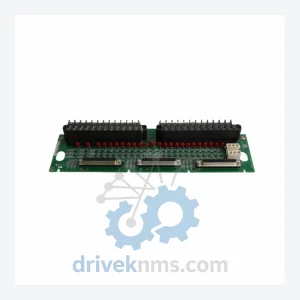
GE Fanuc IS200TBCIS2CCD I/O Terminal Board – Mark VI Redundant Control System
GE Fanuc IS200TBCIS2CCD is listed for Mark VI RFQ review. Confirm quantity, condition and destination before quotation.
RFQ-ready industrial model
Model: VMIVME-7614-132
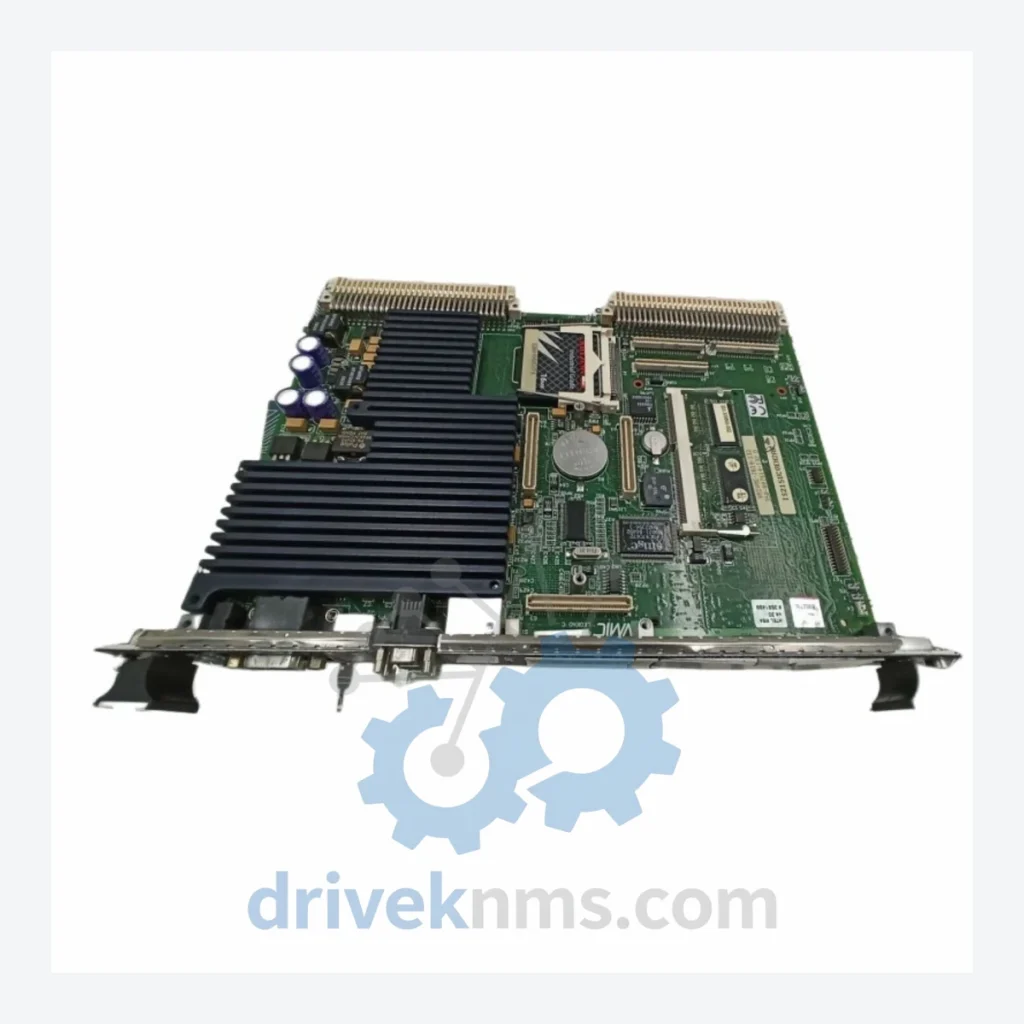
Product Overview
Commercial availability is handled through direct RFQ, model verification and export-oriented follow-up rather than public cart checkout.
Datasheet Preview
Use attached product manuals when available. If the manual is not public yet, request the full file directly through RFQ.
Commercial Path
Product pages on DRIVEKNMS are designed to verify model, brand and series first, then move the buyer into one clean quotation path.
Technical Dossier
RFQ support for obsolete parts: Send the model number, required quantity and destination so DriveKNMS can confirm sourcing options before quotation.
| Parameter | Detail |
|---|---|
| Manufacturer | GE (VMIC / General Electric) |
| Part Number | VMIVME-7614-132 |
| Form Factor | VMEbus (6U) |
| Function | RTD (Resistance Temperature Detector) Signal Input |
| Compatible System | GE Speedtronic Mark VI Turbine Control |
| Discontinuation Status | Confirmed Obsolete – No longer manufactured or supported by OEM |
| Country of Origin | United States |
| Condition Available | New surplus / Professionally refurbished |
Note: Electrical parameters beyond those listed above are not published here to prevent misapplication. Contact our technical team for configuration-specific verification before installation.
The GE Speedtronic Mark VI platform was the dominant turbine control architecture deployed across power generation, oil & gas, and petrochemical facilities from the late 1990s through the 2010s. GE has since transitioned its turbine control portfolio to the Mark VIe series, leaving Mark VI installations without OEM hardware support. The VMIVME-7614-132 RTD input card sits at the intersection of two irreplaceable functions: it converts raw resistance signals from temperature sensors into engineering-unit data that the Mark VI controller uses for combustion management, exhaust temperature monitoring, and protective shutdown logic.
Replacing this card with a non-identical substitute is not a straightforward engineering task. The Mark VI's I/O architecture relies on specific VMEbus addressing, firmware handshake protocols, and terminal board wiring conventions that are incompatible with modern I/O modules without a full system re-engineering effort. For facilities operating under tight maintenance budgets and multi-year capital expenditure cycles, sourcing an identical replacement card is the only path that preserves system integrity without triggering a project-level investment.
Every VMIVME-7614-132 unit that leaves our facility passes a five-stage inspection protocol developed specifically for legacy VMEbus hardware:
The decision to retire a Speedtronic Mark VI system is rarely driven by the controller's inability to perform its function. It is almost always driven by the inability to source replacement hardware when a failure occurs. This is a supply chain problem, not an engineering problem — and it has a supply chain solution.
The alternative — a reactive sourcing effort during an unplanned outage — places procurement teams in a position where they are negotiating from zero leverage, often paying spot-market premiums of 200–400% above normal market value, with no guarantee of delivery timelines that align with production recovery requirements.
Q: How do I know the unit is genuine and not a counterfeit?
A: All units are sourced through documented supply channels and carry original GE/VMIC markings. Our five-stage QA process includes physical authenticity checks. We do not sell remarked or cloned hardware.
Q: Should I buy more than one unit?
A: For any facility running a Speedtronic Mark VI system without OEM support, holding a minimum of two VMIVME-7614-132 cards is a defensible maintenance position. A single card failure during a peak production period, with no spare on hand, creates a recovery timeline measured in weeks, not days.
Q: Can export requirements be reviewed?
A: Destination, documentation and routing requirements are confirmed during RFQ review.
Continue The Model Path
Move from this exact model into the matching system hub, brand archive, model-family archive or lifecycle sourcing route before sending a final RFQ list.
Related Paths
GE Fanuc IS200TBCIS2CCD is listed for Mark VI RFQ review. Confirm quantity, condition and destination before quotation.
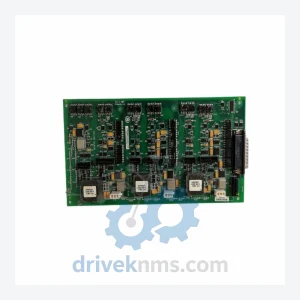
General Electric IS210AEBIH3BEC is listed for Mark VI RFQ review. Confirm quantity, condition and destination before quotation.
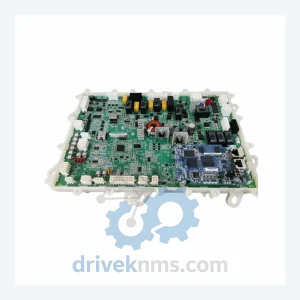
General Electric IS210BPPCH1AD is listed for Mark VI RFQ review. Confirm quantity, condition and destination before quotation.