
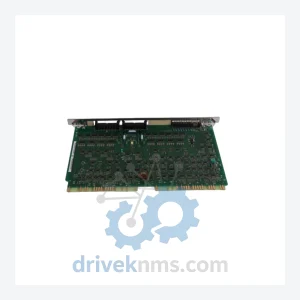
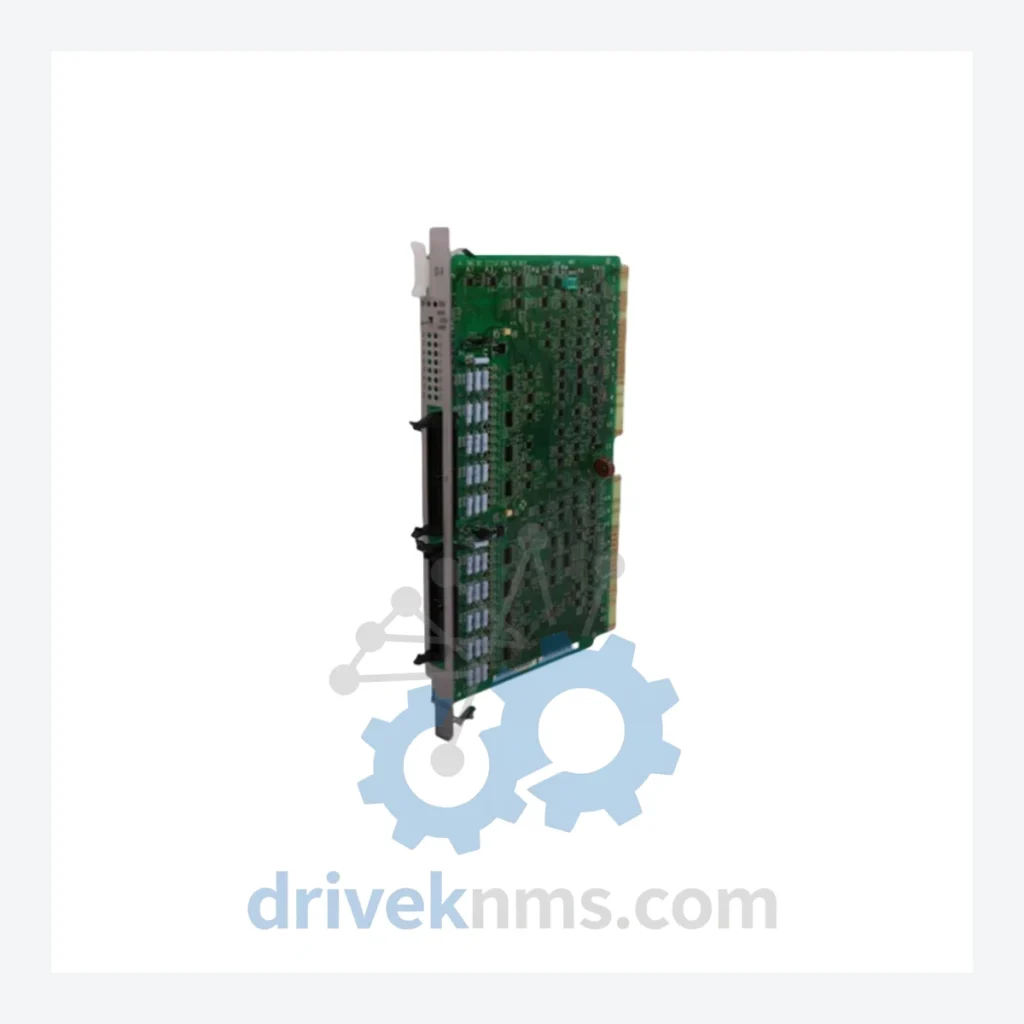
Hitachi LY Series Modules LYD105A
Hitachi LYD105A is listed for LY Series RFQ review. Confirm quantity, condition and destination before quotation.
RFQ-ready industrial model
Model: LUD070A
Product Overview
Commercial availability is handled through direct RFQ, model verification and export-oriented follow-up rather than public cart checkout.
Datasheet Preview
Use attached product manuals when available. If the manual is not public yet, request the full file directly through RFQ.
Commercial Path
Product pages on DRIVEKNMS are designed to verify model, brand and series first, then move the buyer into one clean quotation path.
Technical Dossier
The Hitachi LUD Series represents a core product line within Hitachi's industrial distributed control system (DCS) and programmable logic controller (PLC) infrastructure. These modules have been deployed extensively across global heavy industries including petrochemical refineries, nuclear power generation facilities, chemical processing plants, and steel manufacturing operations. The LUD Series occupies a critical position in Hitachi's control architecture, providing CPU processing, digital/analog I/O interfacing, and inter-module communication functions within rack-based control cabinets. Installed base across Asia-Pacific, the Middle East, and Europe remains substantial, making long-term spare parts availability a primary operational concern for plant maintenance engineers.
The Hitachi LUD Series was developed as part of Hitachi's HIDIC (Hitachi Distributed and Integrated Control) platform, which emerged in the late 1980s and matured through the 1990s and 2000s. Early LUD modules operated on a proprietary parallel backplane bus with fixed slot addressing, limiting hot-swap capability. Mid-generation revisions introduced improved ASIC-based I/O scanning and expanded memory addressing, enabling larger ladder logic programs and faster scan cycles. Later variants incorporated enhanced EMI shielding and extended operating temperature ranges to meet IEC 61131-2 environmental classifications for industrial enclosures.
Compatibility across LUD sub-generations is constrained by backplane bus revision. Modules from the LUD0xx sub-family are generally interchangeable within the same rack generation, while LUD1xx and LUD2xx variants may require firmware alignment or rack backplane hardware revision before substitution. Engineers performing module replacement must verify the rack base unit revision code stamped on the backplane PCB before ordering a substitute module. The series has entered the mature/end-of-life phase; Hitachi has formally discontinued active production of most LUD variants, transitioning customers toward the HIDIC H Series and EH-150 platform. This makes third-party lifecycle support and certified refurbished inventory the primary sourcing channel for ongoing plant maintenance.
The following SKUs represent verified, commonly documented modules within the Hitachi LUD Series. Modules are classified by primary function:
CPU / Controller Modules
Digital Input (DI) Modules
Digital Output (DO) Modules
Analog I/O Modules
Communication / Adapter Modules
Power Supply Modules
The Hitachi LUD Series employs a proprietary backplane bus protocol and ASIC-based I/O scanning architecture that requires specialized test procedures beyond standard continuity and power-on checks. DriveKNMS applies the following test protocol to all LUD Series modules prior to dispatch:
Continue The Model Path
Move from this exact model into the matching system hub, brand archive, model-family archive or lifecycle sourcing route before sending a final RFQ list.
Related Paths
Hitachi LYD105A is listed for LY Series RFQ review. Confirm quantity, condition and destination before quotation.
Hitachi LPU650A LPU607/A is listed for HIZAC Series RFQ review. Confirm quantity, condition and destination before quotation.
Hitachi LCE250A is listed for Elevator Control RFQ review. Confirm quantity, condition and destination before quotation.