
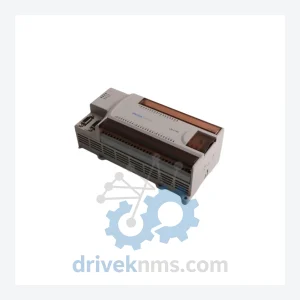
Hollysys LM3108 CPU Module – Obsolete HOLLiAS MACS Spare Part
Hollysys LM3108 is listed for PLC Modules RFQ review. Confirm quantity, condition and destination before quotation.
RFQ-ready industrial model
Model: FM171B
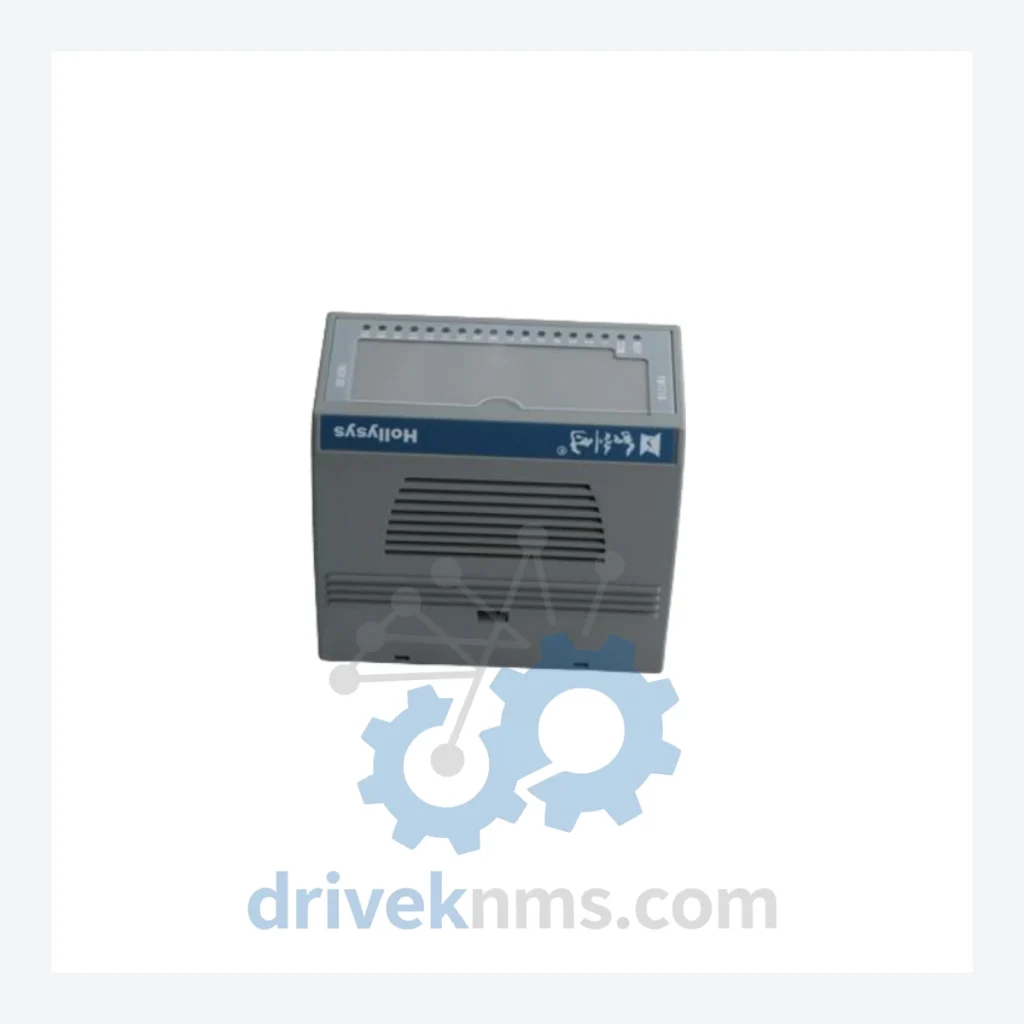
Product Overview
Commercial availability is handled through direct RFQ, model verification and export-oriented follow-up rather than public cart checkout.
Datasheet Preview
Use attached product manuals when available. If the manual is not public yet, request the full file directly through RFQ.
Commercial Path
Product pages on DRIVEKNMS are designed to verify model, brand and series first, then move the buyer into one clean quotation path.
Technical Dossier
The Hollysys FM100 series constitutes the core I/O and controller module family deployed within the Hollysys MACS (Modular Advanced Control System) DCS platform. This series holds a significant installed base across heavy industrial sectors globally, including petrochemical refineries, coal chemical plants, nuclear power auxiliary systems, and large-scale thermal power generation facilities throughout Asia-Pacific and the Middle East. The FM100 series modules are designed for high-density, rack-mounted deployment within the MACS-S and MACS-K controller cabinets, operating under IEC 61131-3 programming standards and supporting redundant backplane communication architectures. Their long production lifecycle — spanning from the early 2000s through the current decade — has resulted in a substantial installed base requiring ongoing spare parts support, including for models that have entered end-of-life status.
The FM100 series was introduced as part of Hollysys's first-generation MACS DCS platform, targeting large-scale process automation in Chinese state-owned industrial enterprises. Early modules in the series used parallel backplane communication with proprietary Hollysys bus protocols. As the platform matured into the MACS-S generation, the backplane architecture transitioned to a high-speed serial ring bus, improving noise immunity and enabling longer cabinet runs. The FM171 sub-family — which includes the FM171B — represents the digital output tier of this architecture, providing 24VDC or relay-contact discrete outputs for field device actuation. Compatibility between early FM100 modules and later MACS-S racks requires verification of backplane revision levels; cross-generation substitution is not universally supported without firmware alignment. The series has progressively entered a mature/end-of-life phase, with Hollysys transitioning new projects to the MACS-K and HOLLiAS-MACS 6.x platforms. This makes long-term spare parts availability from specialist distributors a critical operational requirement for existing installations.
The following catalog covers verified SKUs within the Hollysys FM100 / MACS DCS module family, organized by functional category. Each model represents a discrete line-replaceable unit (LRU) within the MACS rack system.
Controller & CPU Modules
Digital Input (DI) Modules
Digital Output (DO) Modules
Analog Input (AI) Modules
Analog Output (AO) Modules
Communication & Specialty Modules
Continue The Model Path
Move from this exact model into the matching system hub, brand archive, model-family archive or lifecycle sourcing route before sending a final RFQ list.
Related Paths
Hollysys LM3108 is listed for PLC Modules RFQ review. Confirm quantity, condition and destination before quotation.
Hollysys FM910 is listed for DCS Cards RFQ review. Confirm quantity, condition and destination before quotation.
Hollysys FM192-TR is listed for HOLLiAS Series RFQ review. Confirm quantity, condition and destination before quotation.