
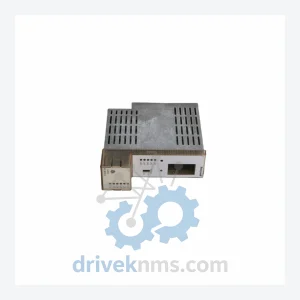
Honeywell XC5010C CPU Module
Honeywell XC5010C is listed for Servo Drives RFQ review. Confirm quantity, condition and destination before quotation.
RFQ-ready industrial model
Model: 51304901-100
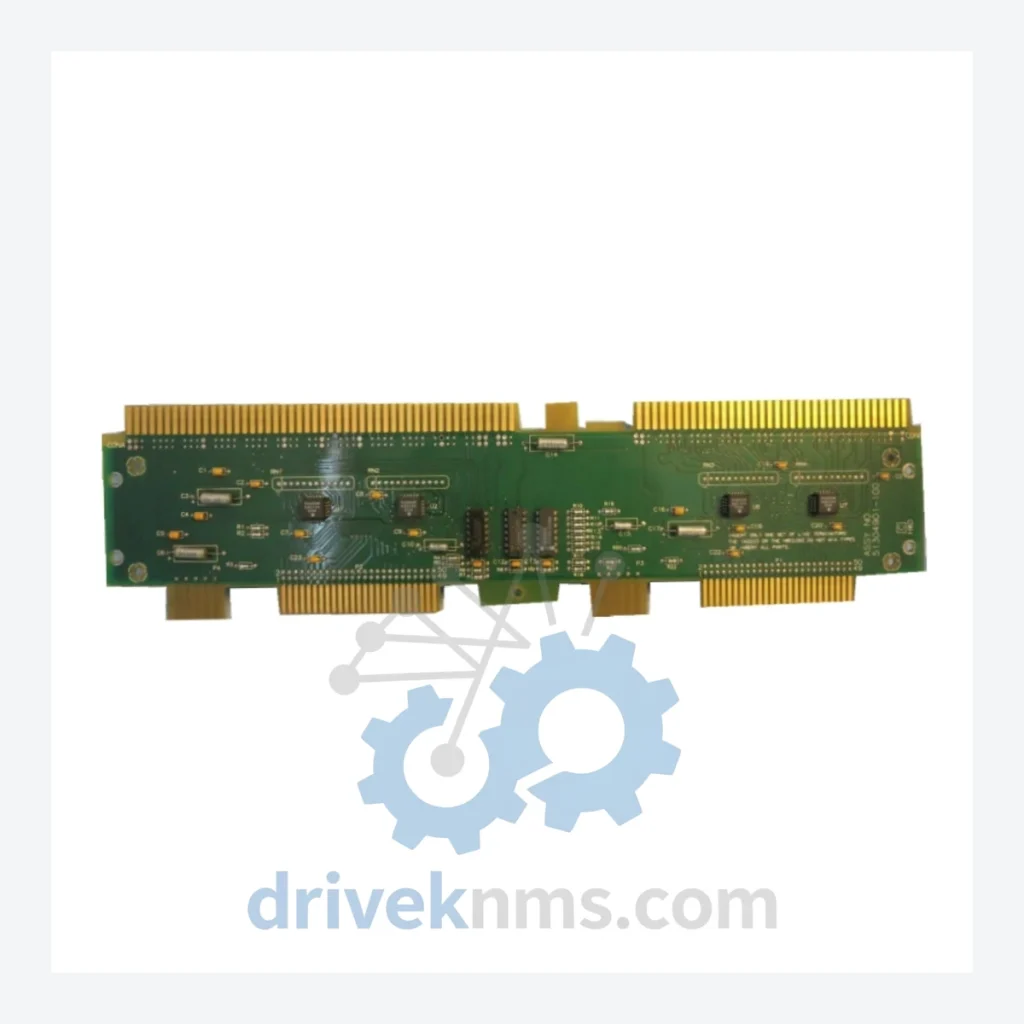
Product Overview
Commercial availability is handled through direct RFQ, model verification and export-oriented follow-up rather than public cart checkout.
Datasheet Preview
Use attached product manuals when available. If the manual is not public yet, request the full file directly through RFQ.
Commercial Path
Product pages on DRIVEKNMS are designed to verify model, brand and series first, then move the buyer into one clean quotation path.
Technical Dossier
RFQ support for obsolete parts: Send the model number, required quantity and destination so DriveKNMS can confirm sourcing options before quotation.
| Parameter | Detail |
|---|---|
| Part Number | 51304901-100 |
| Manufacturer | Honeywell Process Solutions |
| Series | TDC 3000 / High-Performance Process Manager (HPM) |
| Module Type | C I/O Module (Card I/O Interface) |
| Product Status | Discontinued / Obsolete – No longer manufactured by Honeywell |
| Compatible Systems | Honeywell TDC 3000, HPM, LCN (Local Control Network) |
| Country of Origin | United States |
| Form Factor | Card-based module for HPM I/O Link |
Note: Electrical parameters not independently verified by DriveKNMS. Buyers should cross-reference Honeywell engineering documentation (Doc. No. EP-DS-51304901) for full electrical specifications. We do not publish unverified parameters.
Honeywell formally discontinued the TDC 3000 product line, yet thousands of process units worldwide continue to operate on this platform. The installed base is too large, and the migration cost too high, for most facilities to justify a full cutover on any near-term capital plan.
The 51304901-100 C I/O module sits at the interface between the HPM processor and field I/O termination assemblies. Its failure removes the communication path between the controller and the physical process — loops go to fallback, operators lose visibility, and in worst-case scenarios, safety interlocks are compromised. There is no software patch for a failed hardware module. There is no firmware workaround. The only resolution is a verified replacement unit.
For plant managers and reliability engineers facing this reality, the strategic calculus is straightforward: the cost of maintaining a two- to four-unit spare inventory of the 51304901-100 is measured in thousands of dollars. The cost of an unplanned outage while waiting for a sourced replacement — assuming one can be found — is measured in production losses that accumulate by the hour. Facilities that have extended TDC 3000 asset life by 5 to 10 years beyond Honeywell's end-of-support date have done so through disciplined spare parts management, not through hope that the system will hold.
The practical framework for extending a TDC 3000 installation by a decade without a full migration involves three disciplines: maintaining a vetted spare pool for high-failure-rate modules (C I/O cards, power supplies, and communication interfaces rank highest), establishing a documented firmware baseline so that replacement modules can be verified before installation, and partnering with a supplier who can provide traceable, tested units rather than untested surplus. DriveKNMS operates within this framework.
Every 51304901-100 unit processed by DriveKNMS passes a five-stage evaluation before it is offered for sale. This protocol is designed specifically for legacy industrial hardware, where age-related degradation follows predictable failure modes.
Stage 1 – Visual and Mechanical Inspection: Full board examination for physical damage, connector deformation, and evidence of prior field failure. Units with burn marks, cracked substrates, or deformed edge connectors are rejected at intake.
Stage 2 – Electrolytic Capacitor Assessment: Capacitor aging is the primary failure mechanism in TDC 3000-era hardware. Each unit is evaluated for capacitor bulge, electrolyte leakage, and ESR deviation. Units with compromised capacitors are either reconditioned with OEM-equivalent components or removed from inventory.
Stage 3 – Pin and Connector Integrity: Backplane connector pins are inspected under magnification for oxidation, corrosion, and mechanical deformation. Contact surfaces are cleaned and verified for proper engagement geometry.
Stage 4 – Firmware Version Verification: Where accessible, firmware revision is documented and disclosed to the buyer. This allows the receiving facility to confirm compatibility with their existing HPM configuration before installation.
The 51304901-100 is a direct drop-in replacement for the same part number within the HPM I/O Link architecture. Installation does not require reprogramming of the HPM controller, reconfiguration of the LCN database, or modification of termination assemblies. The module seats into the existing card slot, the I/O Link re-establishes communication, and the process returns to normal operation.
For facilities evaluating a phased migration strategy — replacing TDC 3000 with Experion PKS or a third-party DCS over a multi-year horizon — maintaining a functional spare inventory of critical I/O modules is the lowest-cost method of protecting production continuity during the transition period. A single avoided unplanned outage typically recovers the cost of a spare module inventory many times over.
Q: Should I purchase more than one unit?
A: For any module that is no longer manufactured, the answer is almost always yes. current sourcing status does not predict future availability. Facilities operating TDC 3000 systems with no migration date on the capital plan should treat critical I/O modules as a strategic inventory item, not a reactive purchase. We recommend a minimum of two units on hand for any module that sits on a critical process loop.
Continue The Model Path
Move from this exact model into the matching system hub, brand archive, model-family archive or lifecycle sourcing route before sending a final RFQ list.
Related Paths
Honeywell XC5010C is listed for Servo Drives RFQ review. Confirm quantity, condition and destination before quotation.
Honeywell MP-DNCF02-200 51402455-100 is listed for Servo Drives RFQ review. Confirm quantity, condition and destination before quotation.
Honeywell U2-1010S-PF is listed for Servo Drives RFQ review. Confirm quantity, condition and destination before quotation.