
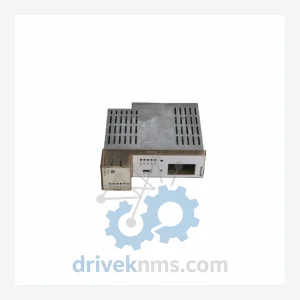
Honeywell XC5010C CPU Module
Honeywell XC5010C is listed for Servo Drives RFQ review. Confirm quantity, condition and destination before quotation.
RFQ-ready industrial model
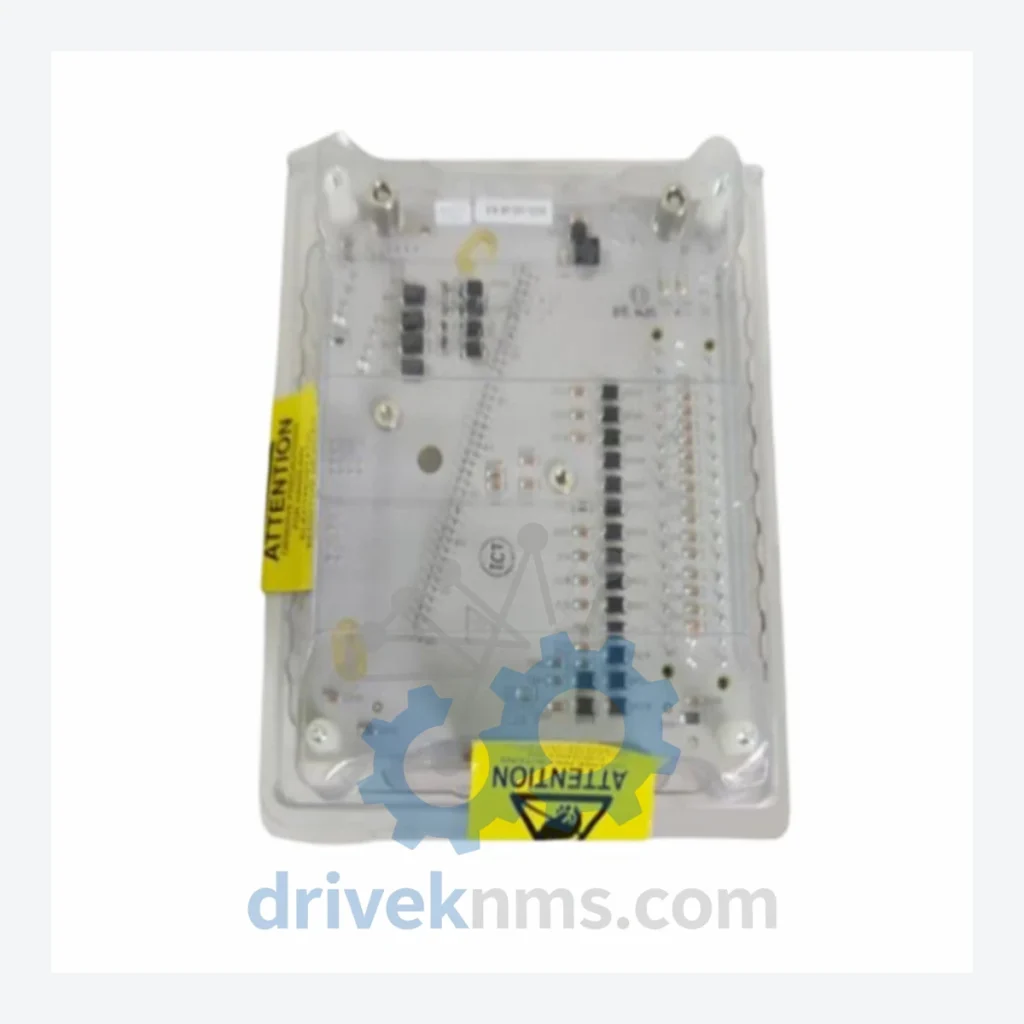
Model: DC-TAOX51 51307717-175
Product Overview
Commercial availability is handled through direct RFQ, model verification and export-oriented follow-up rather than public cart checkout.
Datasheet Preview
Use attached product manuals when available. If the manual is not public yet, request the full file directly through RFQ.
Commercial Path
Product pages on DRIVEKNMS are designed to verify model, brand and series first, then move the buyer into one clean quotation path.
Technical Dossier
RFQ support for obsolete parts: Send the model number, required quantity and destination so DriveKNMS can confirm sourcing options before quotation.
| Part Number | DC-TAOX51 / 51307717-175 |
| Manufacturer | Honeywell |
| Product Type | Analog Output Module |
| Compatible Platform | Honeywell TDC 3000, PlantScape, Experion PKS (legacy hardware rack) |
| Signal Type | 4–20 mA analog output |
| Country of Origin | United States |
| Discontinuation Status | Discontinued / Obsolete – No longer manufactured by Honeywell |
| Replacement Availability | No direct OEM replacement; legacy rack-compatible only |
The Honeywell TDC 3000 platform was the backbone of process automation across petrochemical, pulp and paper, and power generation industries for over two decades. Honeywell has formally ended hardware support for this platform, and the DC-TAOX51 module is no longer produced. The installed base, however, remains substantial. Thousands of TDC 3000 cabinets continue to operate globally because the cost and operational risk of migration outweigh the short-term discomfort of sourcing legacy spares.
The DC-TAOX51 occupies a non-negotiable position in the I/O architecture of these systems. It cannot be substituted with a generic analog output card — the module communicates over the proprietary Data Hiway bus and requires exact hardware compatibility for the rack backplane. When this module fails and no spare is on hand, the engineering team faces a binary choice: source the part from the secondary market or begin an emergency migration project under the worst possible conditions — under production pressure, without adequate planning time, and at maximum cost.
For plant managers and reliability engineers operating legacy DCS infrastructure, the decision to defer migration is rational — provided it is supported by a structured spare parts strategy. The following approach has been applied successfully across facilities in the refining, chemical, and utilities sectors:
2. Establish a Minimum Spare Holdings Policy. For modules with no OEM availability, a minimum of two units per installed type is a defensible baseline. For high-density deployments, three to five units is more appropriate. The carrying cost of this inventory is negligible against the cost of a sourcing emergency.
3. Source from Verified Secondary Market Suppliers. OEM channels are closed for discontinued hardware. The secondary market is the only viable source. Vet suppliers on the basis of their QA process, not price alone. A failed refurbished module installed during an emergency is worse than no spare at all.
4. Schedule Preventive Inspection Cycles. Legacy analog output modules are susceptible to electrolytic capacitor degradation over time. A scheduled inspection and bench-test program — even annually — identifies modules approaching end of service life before they fail in the field.
5. Document Firmware and Configuration Baselines. For any module that carries firmware or configuration data, maintain a documented baseline. This eliminates re-commissioning delays when a replacement is installed.
This strategy does not require capital expenditure approval at the scale of a migration project. It is executable within a standard maintenance budget and can extend the productive life of a TDC 3000 system by five to ten years with a high degree of reliability.
DriveKNMS applies a structured 5-step qualification process to all legacy analog output modules before they are offered for sale:
Step 1 – Visual and Physical Inspection: Full board inspection for mechanical damage, corrosion on connector pins, and evidence of prior field repairs or unauthorized modifications.
Step 2 – Electrolytic Capacitor Assessment: Capacitors are the primary failure point in aged analog output circuitry. Each unit is evaluated for capacitor bulging, leakage, and ESR deviation. Units with degraded capacitors are either recapped or removed from inventory.
Step 3 – Firmware Version Verification: Where applicable, firmware revision is confirmed and documented. Mismatched firmware versions can cause silent compatibility failures in legacy DCS environments.
Step 4 – Pin and Connector Integrity Check: Backplane connector pins are inspected for oxidation, bending, and contact resistance. Corroded or deformed pins are a leading cause of intermittent faults in legacy I/O modules.
Step 5 – Functional Bench Test: Where test equipment permits, modules are powered and output signal integrity is verified prior to packaging and shipment.
Units that do not pass all five steps are not offered for sale. Condition grade (New Surplus, Tested Refurbished) is disclosed on each order confirmation.
Q: How do I know the unit is genuine and not a counterfeit?
A: All units sourced by DriveKNMS are inspected for OEM markings, label authenticity, and board construction consistency. We do not source from unverified brokers. Provenance documentation is available for units where supply chain traceability has been maintained.
Q: Should we hold multiple units in long-term storage?
A: For any facility with more than two DC-TAOX51 modules installed, holding at least one spare unit in controlled storage is strongly recommended. Secondary market availability for this part number is finite and will decrease over time. Procurement now, at current market prices, is materially less expensive than emergency sourcing under production pressure.
Continue The Model Path
Move from this exact model into the matching system hub, brand archive, model-family archive or lifecycle sourcing route before sending a final RFQ list.
Related Paths
Honeywell XC5010C is listed for Servo Drives RFQ review. Confirm quantity, condition and destination before quotation.
Honeywell MP-DNCF02-200 51402455-100 is listed for Servo Drives RFQ review. Confirm quantity, condition and destination before quotation.
Honeywell U2-1010S-PF is listed for Servo Drives RFQ review. Confirm quantity, condition and destination before quotation.