
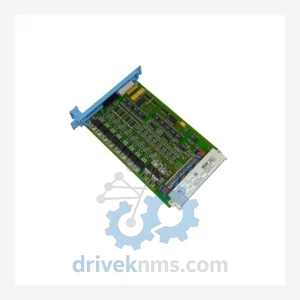
Honeywell Safety Manager FS Series Modules: FS-SDO-0824
Honeywell FS-SDO-0824 is listed for Safety Manager FS Series RFQ review. Confirm quantity, condition and destination before quotation.
RFQ-ready industrial model
Model: FS-SDIL-1608
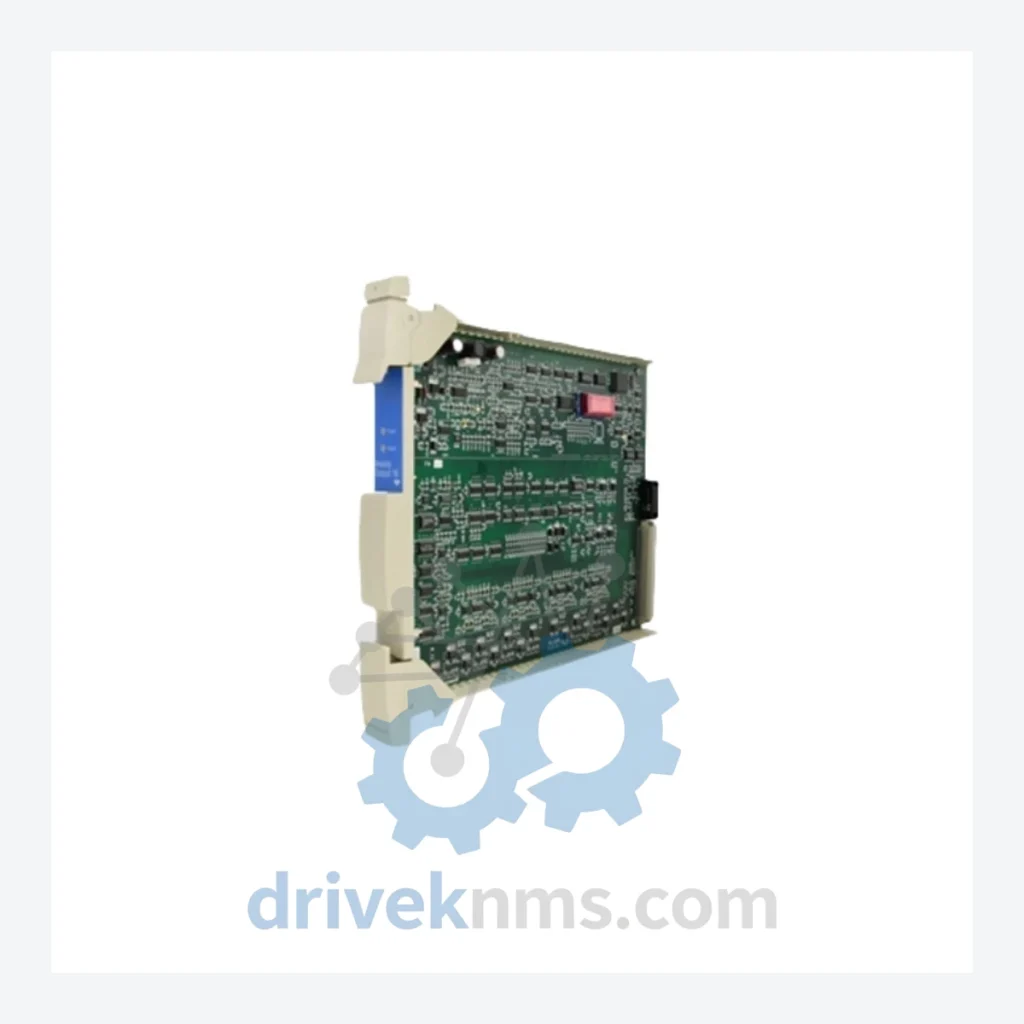
Product Overview
Commercial availability is handled through direct RFQ, model verification and export-oriented follow-up rather than public cart checkout.
Datasheet Preview
Use attached product manuals when available. If the manual is not public yet, request the full file directly through RFQ.
Commercial Path
Product pages on DRIVEKNMS are designed to verify model, brand and series first, then move the buyer into one clean quotation path.
Technical Dossier
The Honeywell Safety Manager (FS) Series is a dedicated Safety Instrumented System (SIS) platform engineered for IEC 61508 SIL 2/3 compliance. It is deployed across the most demanding process industries globally — including petroleum refining, LNG terminals, nuclear power auxiliary systems, offshore platforms, and large-scale chemical complexes. The FS Series functions as a standalone safety controller or integrates with Honeywell's Experion PKS distributed control system via the Safety Builder engineering environment. Its modular backplane architecture supports hot-standby redundancy, fault-tolerant I/O, and deterministic scan times, making it the reference platform for safety shutdown, emergency depressurization, and burner management applications.
The Honeywell Safety Manager platform originated from the FSC (Fail Safe Controller) architecture developed in the 1990s under Honeywell's acquisition of Quadrex and later TotalPlant Safety Manager branding. Early FSC systems used a TMR (Triple Modular Redundancy) voting architecture with proprietary backplane buses. The transition to the FS Series introduced a standardized 19-inch rack form factor, a high-speed internal safety bus, and compatibility with the Experion Safety Manager (ESM) software suite.
Key architectural milestones: the FSC-to-FS migration introduced new I/O addressing conventions and required updated Safety Builder project files. The FS Series supports both simplex and 1oo2D (one-out-of-two with diagnostics) I/O configurations. Later revisions introduced enhanced diagnostics for field wiring faults, expanded the supported I/O channel density, and added Modbus TCP and HART pass-through capabilities on select communication modules. Backward compatibility between FSC and FS hardware is limited and requires engineering validation on a module-by-module basis.
Digital Input Modules (DI)
Digital Output Modules (DO)
Analog Input Modules (AI)
Analog Output Modules (AO)
CPU / Controller Modules
Communication & Network Modules
Power Supply Modules
The Honeywell Safety Manager FS Series has entered a mature lifecycle phase. Honeywell has transitioned new SIS projects toward the Safety Manager SC (SMC) platform, which uses a different backplane and I/O addressing scheme. As a result, FS Series modules — including the FS-SDIL-1608 — are no longer manufactured as standard catalog items and must be sourced from authorized aftermarket distributors or certified repair facilities.
DriveKNMS maintains a dedicated inventory of FS Series modules sourced from decommissioned plant assets, factory overstock, and certified refurbishment programs. All units are tested against original Honeywell factory acceptance criteria before dispatch. DriveKNMS provides long-term maintenance support for FS Series installations with documented remaining useful life assessments, enabling plant operators to extend SIS operational life beyond OEM support windows without full system replacement.
FS Series modules use a proprietary high-speed safety backplane bus with strict impedance and timing requirements. DriveKNMS applies a multi-stage test protocol specific to this architecture: (1) Visual inspection for backplane connector pin integrity and PCB corrosion; (2) Powered bench test using a calibrated FS rack with known-good CPU and PSU modules; (3) Channel-level functional verification — each I/O channel is exercised at rated voltage and current with pass/fail logging; (4) Communication bus integrity test — the module is confirmed to enumerate correctly on the safety bus and respond to CPU polling within specified timeout windows; (5) Burn-in cycle — modules are operated at elevated temperature for a minimum of 24 hours to screen for latent component failures; (6) Final calibration check for analog modules against NIST-traceable reference standards.
Continue The Model Path
Move from this exact model into the matching system hub, brand archive, model-family archive or lifecycle sourcing route before sending a final RFQ list.
Related Paths
Honeywell FS-SDO-0824 is listed for Safety Manager FS Series RFQ review. Confirm quantity, condition and destination before quotation.
Honeywell FS-TSDO-04UNI is listed for Safety Manager FS Series RFQ review. Confirm quantity, condition and destination before quotation.
Honeywell FS-SMSB-ST-110 is listed for Safety Manager FS Series RFQ review. Confirm quantity, condition and destination before quotation.