
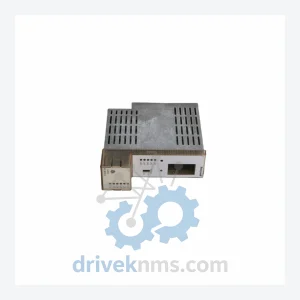
Honeywell XC5010C CPU Module
Honeywell XC5010C is listed for Servo Drives RFQ review. Confirm quantity, condition and destination before quotation.
RFQ-ready industrial model
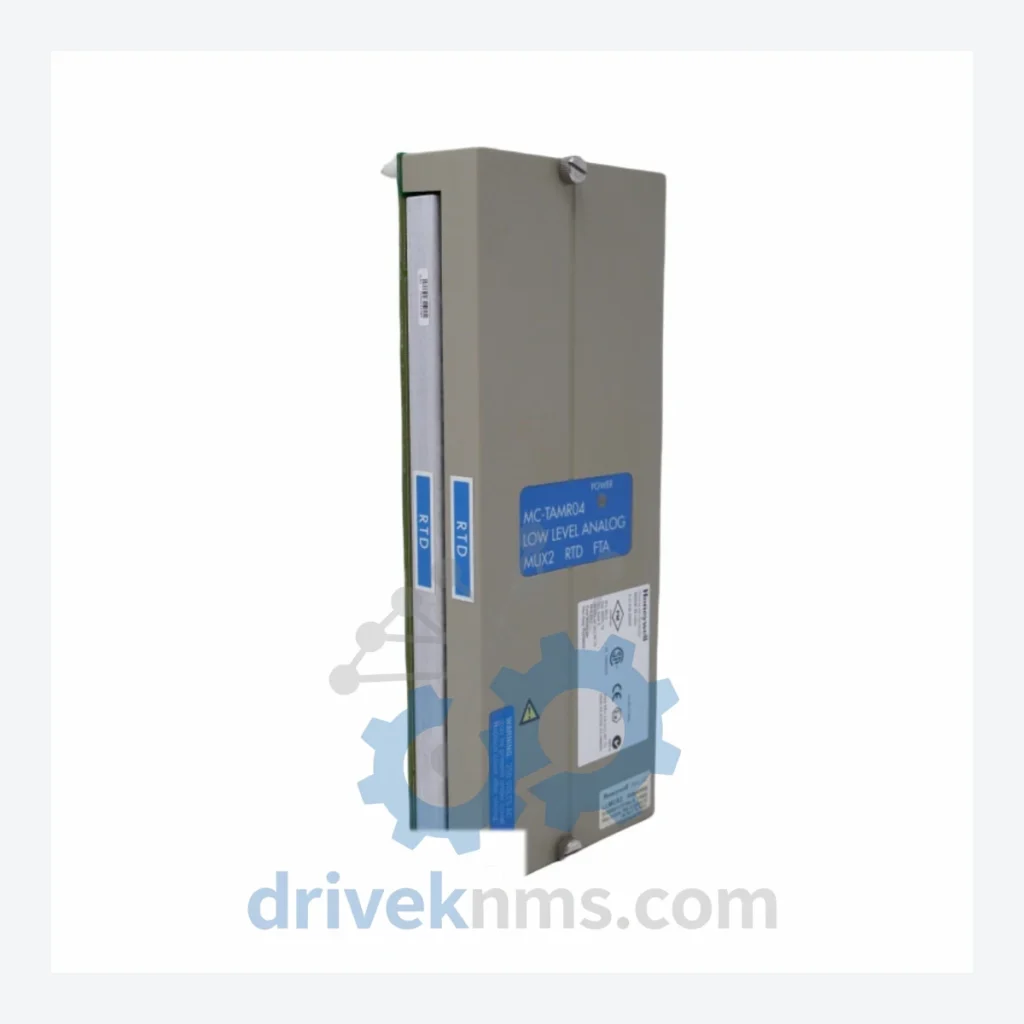
Model: MC-TAMR04
Product Overview
Commercial availability is handled through direct RFQ, model verification and export-oriented follow-up rather than public cart checkout.
Datasheet Preview
Use attached product manuals when available. If the manual is not public yet, request the full file directly through RFQ.
Commercial Path
Product pages on DRIVEKNMS are designed to verify model, brand and series first, then move the buyer into one clean quotation path.
Technical Dossier
RFQ support for obsolete parts: Send the model number, required quantity and destination so DriveKNMS can confirm sourcing options before quotation.
| Part Number | MC-TAMR04 |
| Manufacturer | Honeywell |
| Series | TDC 3000 / Experion PKS |
| Module Type | Analog Input Module |
| Country of Origin | United States |
| Discontinuation Status | Discontinued – No longer manufactured by Honeywell |
| Compatible Systems | Honeywell TDC 3000, Experion PKS legacy I/O racks |
The Honeywell TDC 3000 platform has been the backbone of process control in petrochemical, refining, pulp and paper, and power generation facilities for decades. Its modular I/O architecture — of which the MC-TAMR04 is a core component — was engineered for long-cycle industrial environments where stability and predictability outweigh the appeal of frequent upgrades.
Honeywell's end-of-life announcement for TDC 3000 hardware placed plant managers in a difficult position: absorb a capital-intensive migration project, or find a sustainable path to keep existing assets productive. For facilities operating on 5–10 year capital planning cycles, the latter is often the only financially defensible option.
The MC-TAMR04 analog input module handles field signal conditioning and conversion within the TDC 3000 I/O subsystem. Its failure — without a verified replacement on hand — can result in partial or full loss of process visibility, forcing a manual override or emergency shutdown. Neither outcome is acceptable in continuous-process environments.
Maintaining a dedicated spare pool of critical I/O modules like the MC-TAMR04 is not a workaround. It is a recognized asset protection strategy. Industry maintenance benchmarks consistently show that facilities with structured obsolete-parts inventories achieve 5 to 10 additional years of productive life from legacy DCS platforms, deferring multi-million dollar migration costs until capital budgets can absorb them on the facility's own schedule — not the OEM's.
Every MC-TAMR04 unit that leaves DriveKNMS undergoes a structured 5-step inspection protocol before it is offered for sale. This process is designed specifically for aging industrial electronics where latent failure modes are the primary risk:
Units are classified as New (factory-sealed), Refurbished (tested and restored to functional specification), or Used-Tested (operational, cosmetic wear only). Condition is disclosed in full at the time of quotation.
Q: How are RFQ terms confirmed?
A: Quantity, required condition, documentation needs, destination and sourcing route are confirmed during RFQ review before quotation.
1. Conduct a criticality-weighted spare parts audit. Identify every module in your TDC 3000 or equivalent legacy system that has no current OEM replacement path. Rank them by failure consequence — not by failure probability. A single analog input module failure that blinds a critical process loop is a higher priority than a redundant communication card.
3. Source from verified channels, not spot markets. The secondary market for obsolete industrial electronics contains a significant volume of untested, misrepresented, or counterfeit material. Procurement from suppliers with documented inspection and testing protocols is not optional — it is a risk management requirement.
4. Document firmware and hardware revisions. Legacy systems are often sensitive to hardware revision mismatches. Maintain a record of the exact revision levels installed in your system so that replacement sourcing can be targeted accordingly.
5. Plan the migration on your schedule. A structured spare parts program buys time. Use that time to plan a migration that aligns with capital budget cycles, turnaround schedules, and operational windows — not emergency procurement timelines.
Q: How is condition confirmed before quotation?
A: Available condition, photos, test records and documentation are checked according to the requested model and sourcing channel before a formal RFQ response.
Q: How do I know the unit is genuine and not counterfeit?
All units are sourced through documented supply channels. Physical markings, board construction, and component layout are verified against known-good references during inspection. We do not sell units that fail verification.
Q: Is the MC-TAMR04 compatible with both TDC 3000 and Experion PKS legacy I/O?
Compatibility depends on the specific rack and system configuration. We recommend confirming your system's I/O rack model and firmware revision before ordering. Our technical team can assist with compatibility verification.
Continue The Model Path
Move from this exact model into the matching system hub, brand archive, model-family archive or lifecycle sourcing route before sending a final RFQ list.
Related Paths
Honeywell XC5010C is listed for Servo Drives RFQ review. Confirm quantity, condition and destination before quotation.
Honeywell MP-DNCF02-200 51402455-100 is listed for Servo Drives RFQ review. Confirm quantity, condition and destination before quotation.
Honeywell U2-1016S-PF is listed for UDC Series RFQ review. Confirm quantity, condition and destination before quotation.