
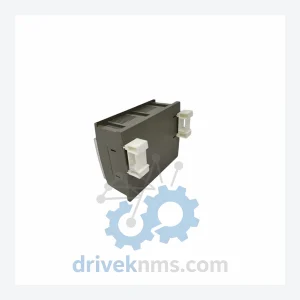
Honeywell XDL505 I/O Module FSC Series
Honeywell XDL505 is listed for Monitoring Systems RFQ review. Confirm quantity, condition and destination before quotation.
RFQ-ready industrial model
Model: MMX-10M
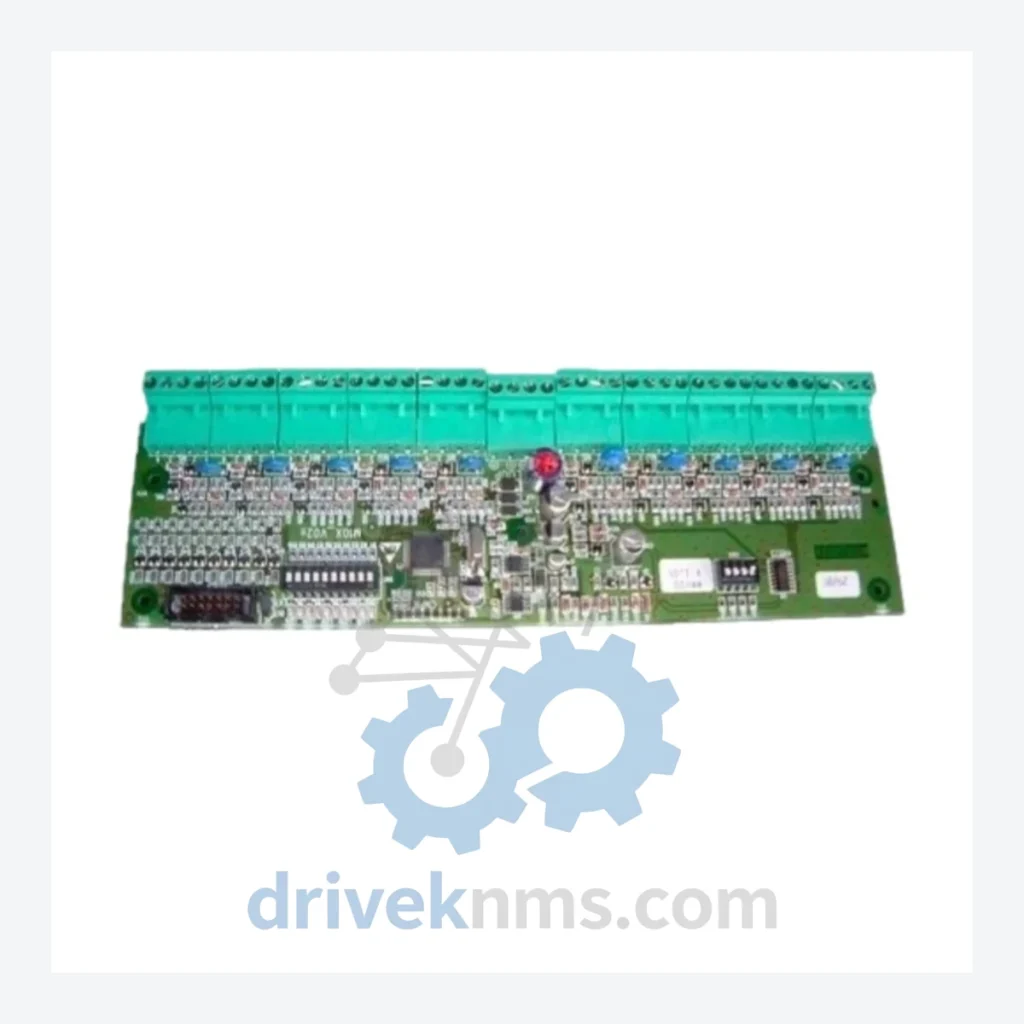
Product Overview
Commercial availability is handled through direct RFQ, model verification and export-oriented follow-up rather than public cart checkout.
Datasheet Preview
Use attached product manuals when available. If the manual is not public yet, request the full file directly through RFQ.
Commercial Path
Product pages on DRIVEKNMS are designed to verify model, brand and series first, then move the buyer into one clean quotation path.
Technical Dossier
RFQ support for obsolete parts: Send the model number, required quantity and destination so DriveKNMS can confirm sourcing options before quotation.
Note: Electrical parameters beyond the above are not published here to avoid inaccuracy. Confirmed specifications are provided upon request with supporting documentation.
The MMX-10M input module sits at the data acquisition layer of these recorders. It is the interface between field instrumentation — thermocouples, RTDs, 4–20 mA transmitters — and the recorder's processing core. When this module degrades or fails, the recorder loses channel capacity. In a validated pharmaceutical environment, this can trigger a GMP deviation. In a continuous chemical process, it can mean unplanned shutdown.
Extending the operational life of a recorder-based data acquisition system by 5 to 10 years through strategic spare parts holding is a documented, cost-effective asset protection strategy. The capital cost of maintaining two MMX-10M modules in bonded storage is a fraction of one day's lost production in most process industries. Plant engineering teams and maintenance managers who have navigated previous obsolescence cycles understand this arithmetic. Those who have not tend to learn it at the worst possible moment.
The practical approach: identify every MMX-10M-dependent recorder in your facility, determine the minimum spare holding required to sustain operations through your next planned capital review cycle, and secure that quantity now while RFQ-reviewed sourcing status remains available. DriveKNMS sources, inspects, and holds obsolete industrial components specifically to support this kind of structured asset protection planning.
Obsolete modules sourced from the secondary market carry risks that do not exist with current-production parts. DriveKNMS applies a five-stage inspection protocol to every MMX-10M unit before it is offered for sale:
1. Visual and Mechanical Inspection: Full examination of the PCB, connector pins, and housing for physical damage, corrosion, or evidence of prior field failure. Units with pin corrosion, burn marks, or compromised housings are rejected at this stage.
2. Electrolytic Capacitor Assessment: Electrolytic capacitors are the primary age-related failure point in modules of this era. Each unit is assessed for capacitor condition. Where capacitor degradation is identified, the unit is either reconditioned with matched-specification replacements or removed from saleable inventory.
3. Firmware and Configuration Verification: Where applicable, firmware version is recorded and cross-referenced against known compatible versions for the target recorder platform. Incompatible or corrupted firmware configurations are flagged.
4. Functional Bench Test: Each module undergoes powered functional testing prior to dispatch. Results are logged and available to the customer on request.
5. Packaging and Storage Compliance: Units are stored and dispatched in ESD-safe packaging with desiccant. Long-term storage units are held in climate-controlled conditions to prevent humidity-related degradation.
The MMX-10M is a direct drop-in replacement for the same module position in compatible Minitrend and Multitrend recorders. There is no requirement for recorder reprogramming, re-engineering of field wiring, or recalibration of connected instrumentation beyond standard commissioning checks. This is the core economic argument for spare parts-based maintenance over system replacement: the engineering cost of installing a verified replacement module is measured in hours. The engineering cost of migrating to a current-generation recording platform is measured in months.
For facilities operating under regulatory frameworks — FDA 21 CFR Part 11, EU GMP Annex 11, or equivalent — maintaining the existing validated system with like-for-like replacement parts preserves the validation status of the installation. A platform migration, by contrast, triggers a full revalidation cycle. The cost and timeline implications of that revalidation frequently exceed the cost of the capital equipment itself.
How do I know the unit is genuine and not counterfeit?
All MMX-10M units are sourced through traceable secondary market channels. Physical markings, PCB revision codes, and component profiles are cross-referenced against known genuine units. Customers may request inspection photographs and test records prior to purchase.
Should I buy more than one unit?
For any facility with more than one MMX-10M-dependent recorder, holding a minimum of one spare module per recorder — plus one additional buffer unit — is the standard recommendation. Given the finite and declining availability of this part, procurement decisions made today will not be available to repeat in 12 to 24 months at equivalent cost or availability.
Continue The Model Path
Move from this exact model into the matching system hub, brand archive, model-family archive or lifecycle sourcing route before sending a final RFQ list.
Related Paths
Honeywell XDL505 is listed for Monitoring Systems RFQ review. Confirm quantity, condition and destination before quotation.
Honeywell U2-1018S-PF is listed for Monitoring Systems RFQ review. Confirm quantity, condition and destination before quotation.
Honeywell MC-GHAO11 51309540-175 is listed for Monitoring Systems RFQ review. Confirm quantity, condition and destination before quotation.