
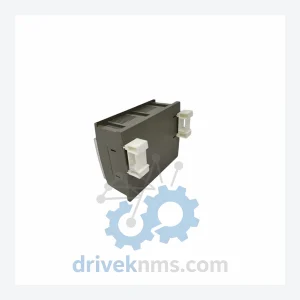
Honeywell XDL505 I/O Module FSC Series
Honeywell XDL505 is listed for Monitoring Systems RFQ review. Confirm quantity, condition and destination before quotation.
RFQ-ready industrial model
Model: TC-FXX172
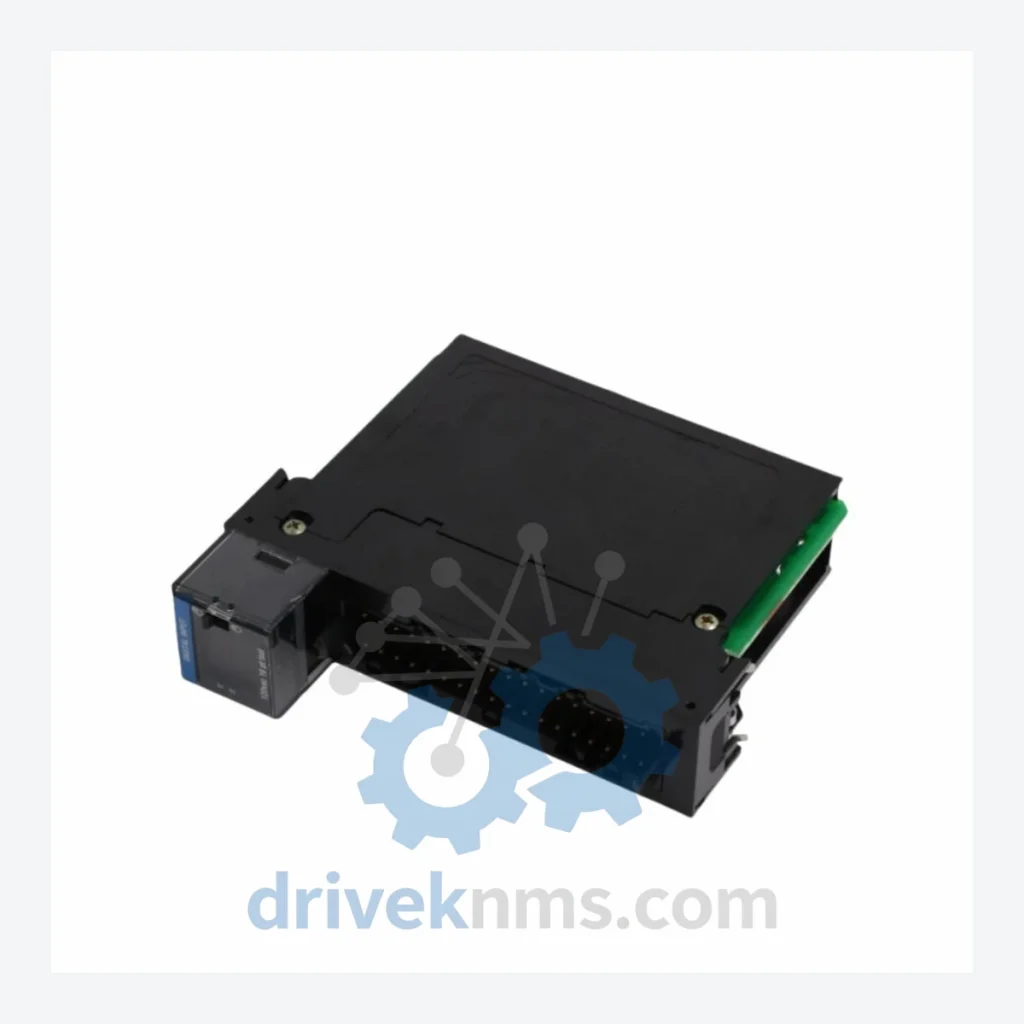
Product Overview
Commercial availability is handled through direct RFQ, model verification and export-oriented follow-up rather than public cart checkout.
Datasheet Preview
Use attached product manuals when available. If the manual is not public yet, request the full file directly through RFQ.
Commercial Path
Product pages on DRIVEKNMS are designed to verify model, brand and series first, then move the buyer into one clean quotation path.
Technical Dossier
When a Honeywell TC-FXX172 Slot Rack fails in an active production environment, the consequences extend far beyond a single module replacement. For plants still operating on Honeywell TDC-based Distributed Control Systems, this rack is a structural backbone of the I/O subsystem. A failed unit without a verified replacement on hand forces one of two outcomes: an unplanned production shutdown measured in days, or an emergency system migration project that routinely exceeds USD $2,000,000 in engineering, commissioning, and lost output costs. DriveKNMS maintains RFQ-reviewed sourcing status of the TC-FXX172 specifically to eliminate that forced choice.
RFQ support for obsolete parts: Send the model number, required quantity and destination so DriveKNMS can confirm sourcing options before quotation.
Note: Electrical parameters are verified against physical units only. No speculative data is published. Contact us for confirmed specification sheets.
Honeywell's TDC platform served as the control architecture for refineries, chemical plants, and power generation facilities across multiple decades. The TC-FXX172 Slot Rack functions as the physical and electrical interface between field I/O modules and the system backplane. Without a functioning rack, the entire I/O node becomes inoperable — there is no software patch, no firmware workaround, and no cross-compatible substitute from current Honeywell product lines.
Plant managers facing TDC system retirement pressure frequently underestimate the true cost of migration. A full DCS migration on a mid-sized process unit involves not only hardware procurement but control logic re-engineering, operator retraining, loop-by-loop commissioning, and a mandatory production freeze during cutover. Industry data consistently places these projects in the range of 18 to 36 months from approval to stable operation. Maintaining a verified spare TC-FXX172 in your critical spares inventory is not a stopgap — it is a documented asset protection strategy that defers that capital expenditure on your terms, not on the timeline of an unplanned failure.
Q: How are RFQ terms confirmed?
A: Quantity, required condition, documentation needs, destination and sourcing route are confirmed during RFQ review before quotation.
How to extend your Honeywell TDC system life by 5 to 10 years:
Every TC-FXX172 unit shipped by DriveKNMS passes a structured 5-stage quality process before dispatch:
Q: Can you supply other TDC series components?
A: Yes. DriveKNMS specializes in Honeywell TDC and related legacy DCS hardware. Contact us with your full bill of materials for a consolidated quotation.
Continue The Model Path
Move from this exact model into the matching system hub, brand archive, model-family archive or lifecycle sourcing route before sending a final RFQ list.
Related Paths
Honeywell XDL505 is listed for Monitoring Systems RFQ review. Confirm quantity, condition and destination before quotation.
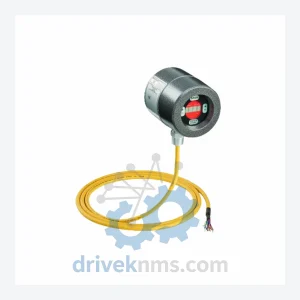
Honeywell U2-1018S-PF is listed for Monitoring Systems RFQ review. Confirm quantity, condition and destination before quotation.
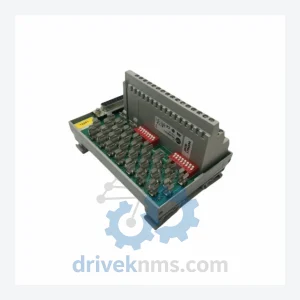
Honeywell MC-GHAO11 51309540-175 is listed for Monitoring Systems RFQ review. Confirm quantity, condition and destination before quotation.