
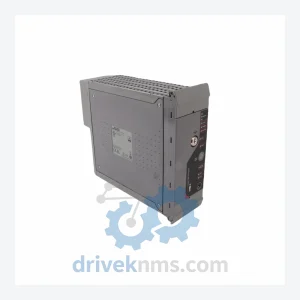
ICS Triplex Trusted TMR T8111C Modules
ICS Triplex T8111C is listed for Trusted RFQ review. Confirm quantity, condition and destination before quotation.
RFQ-ready industrial model
Model: T9801
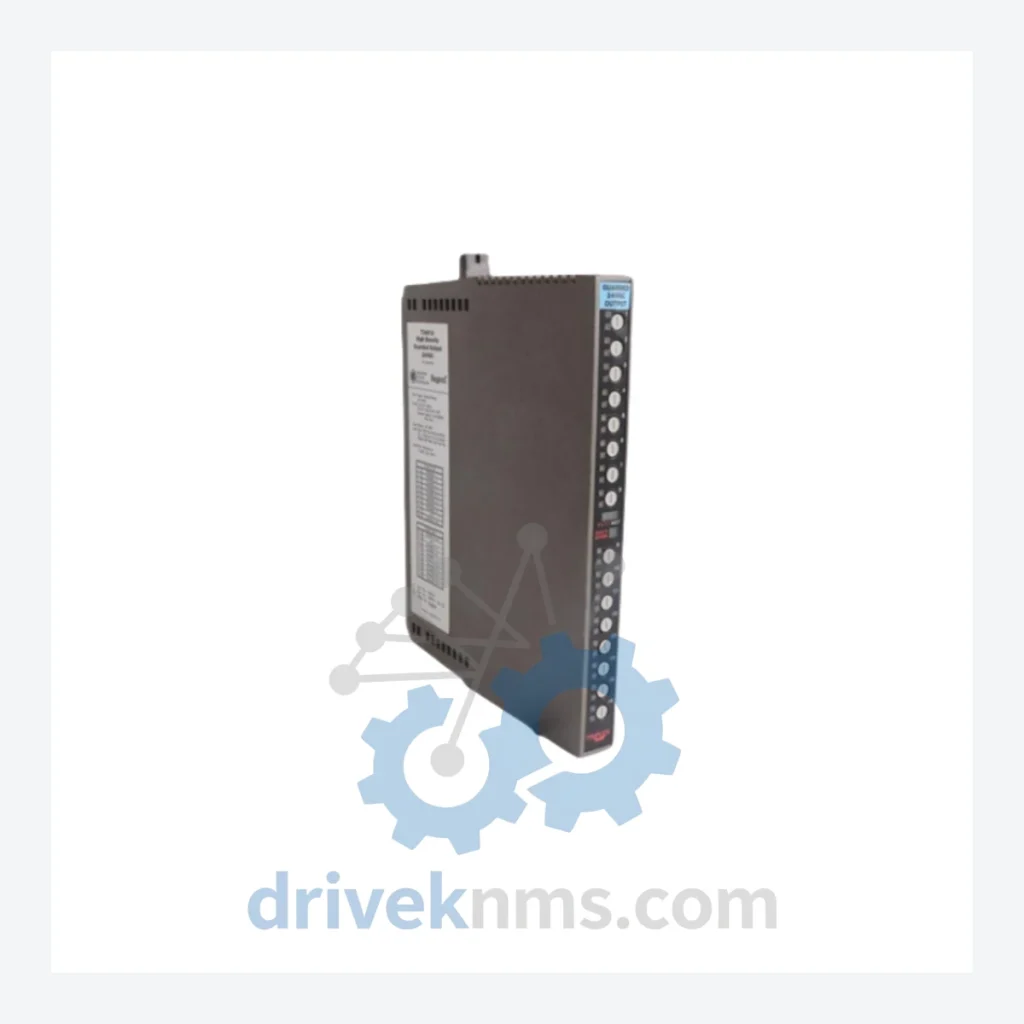
Product Overview
Commercial availability is handled through direct RFQ, model verification and export-oriented follow-up rather than public cart checkout.
Datasheet Preview
Use attached product manuals when available. If the manual is not public yet, request the full file directly through RFQ.
Commercial Path
Product pages on DRIVEKNMS are designed to verify model, brand and series first, then move the buyer into one clean quotation path.
Technical Dossier
The ICS Triplex T9801 is a digital input module designed for the Trusted TMR (Triple Modular Redundant) safety platform — a system architecture that ICS Triplex developed and refined over decades for SIL 3-rated safety applications. Following Rockwell Automation's acquisition of ICS Triplex and the subsequent transfer of the product line to Honeywell, active production of the Trusted TMR hardware series was discontinued. Spare parts are no longer manufactured. Every T9801 remaining in the global supply chain is finite.
RFQ support for obsolete parts: Send the model number, required quantity and destination so DriveKNMS can confirm sourcing options before quotation.
| Parameter | Detail |
|---|---|
| Part Number | T9801 |
| Manufacturer | ICS Triplex (now Honeywell) |
| Module Type | Digital Input (DI) |
| Platform | Trusted TMR (Triple Modular Redundant) |
| System Architecture | TMR – Triple Modular Redundant with 2oo3 voting |
| Safety Integrity Level | SIL 3 (IEC 61508) — system level |
| Production Status | Discontinued / Obsolete — no longer manufactured |
| Country of Origin | United Kingdom |
| Compatible Systems | ICS Triplex Trusted TMR Safety System |
Note: Electrical parameters (input voltage range, current draw, channel count) are not published here to avoid inaccuracy. Confirmed specifications are provided upon request with supporting documentation.
The Trusted TMR platform was engineered for industries where a single undetected fault can trigger catastrophic consequences. Its TMR architecture — three independent processing channels with majority voting — was adopted by operators who needed IEC 61508 SIL 3 compliance without compromise. That same architecture is now the source of a procurement problem: the system's proprietary backplane, communication protocol, and module form factor mean there is no generic substitute. A T9801 can only be replaced by a T9801.
Plant managers facing this situation have three options. First, execute a full SIS migration to a currently supported platform — a multi-million dollar undertaking that requires re-engineering all cause-and-effect logic, re-validating the safety case, and obtaining regulatory approval before restart. Second, operate with a degraded system and accept elevated risk — an option that most HSE frameworks and insurance underwriters will not permit. Third, source a verified spare T9801 from a specialist supplier, restore the system to its validated configuration, and continue operating under the existing safety case.
The third option is not a workaround. It is the correct engineering decision for any facility whose process economics, regulatory standing, and operational continuity depend on the existing validated SIS. Extending the life of a Trusted TMR installation by 5–10 years through targeted spare part procurement costs a fraction of a platform migration and carries zero re-validation risk, because the system configuration remains unchanged.
Facilities that have implemented a structured obsolete-parts inventory strategy — maintaining 1–2 critical module spares per installed chassis — report zero unplanned SIS-related shutdowns attributable to hardware failure. The cost of holding that inventory is measured in thousands. The cost of not holding it, when a module fails during a turnaround or at peak production, is measured in days of lost output and emergency engineering mobilization.
Sourcing a discontinued module from the secondary market carries legitimate risk. DriveKNMS applies a structured 5-step qualification process to every T9801 unit before it is offered for sale:
Q: How are RFQ terms confirmed?
A: Quantity, required condition, documentation needs, destination and sourcing route are confirmed during RFQ review before quotation.
Should I buy more than one unit?
For any Trusted TMR installation with more than one T9801 installed, holding at least one spare per chassis is the minimum prudent position. Given that global supply of this module is finite and diminishing, facilities with multiple chassis should consider securing a buffer of 2–3 units. The cost of a spare module held in controlled storage is negligible compared to the cost of an unplanned shutdown while waiting for a replacement that may not exist.
Continue The Model Path
Move from this exact model into the matching system hub, brand archive, model-family archive or lifecycle sourcing route before sending a final RFQ list.
Related Paths
ICS Triplex T8111C is listed for Trusted RFQ review. Confirm quantity, condition and destination before quotation.
ICS Triplex T8151 is listed for Trusted RFQ review. Confirm quantity, condition and destination before quotation.
ICS Triplex T8293C is listed for Trusted RFQ review. Confirm quantity, condition and destination before quotation.