
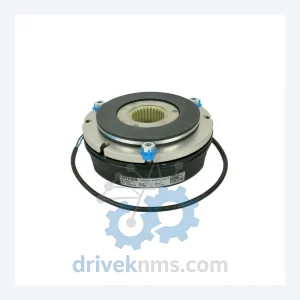
INTORQ BFK458 Spring-Applied Brakes BFK458-12E
Intorq BFK458-12E is listed for Controller Cards RFQ review. Confirm quantity, condition and destination before quotation.
RFQ-ready industrial model
Model: BFK458-16E
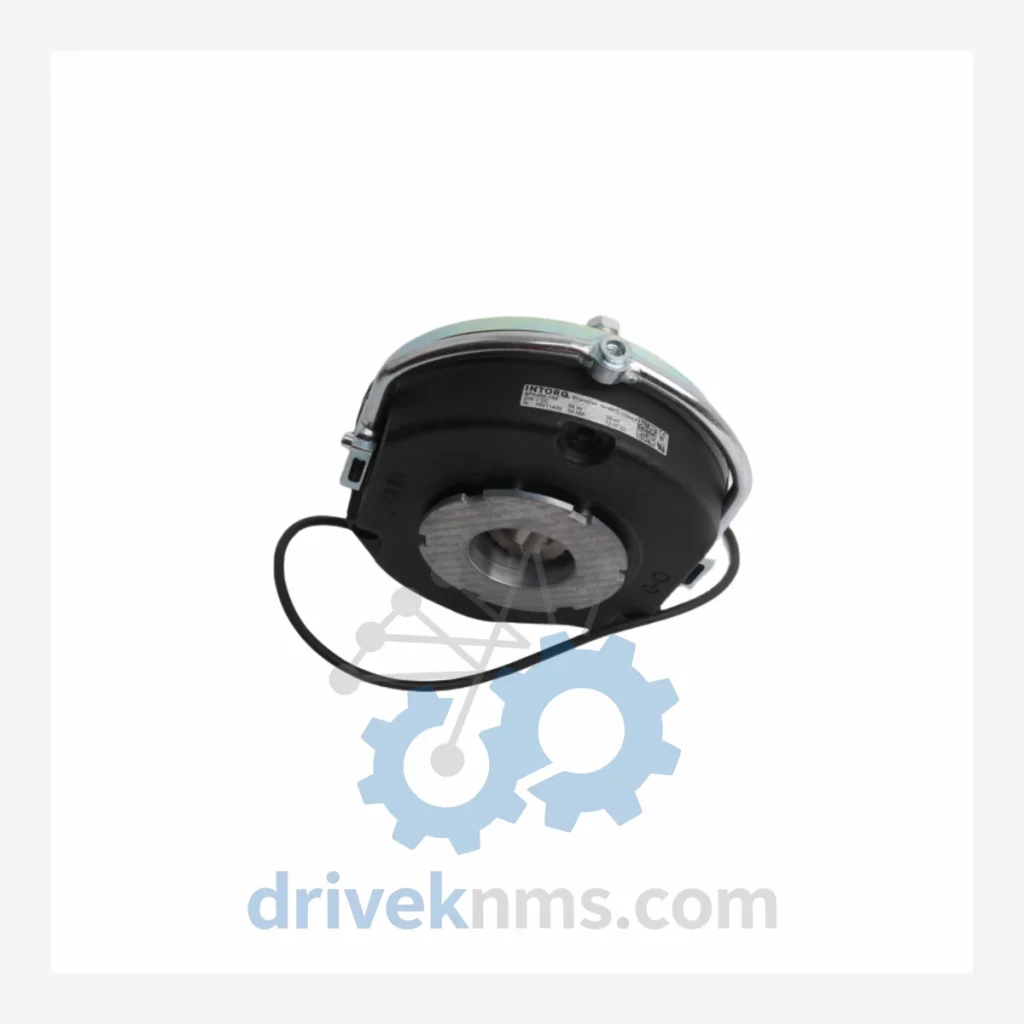
Product Overview
Commercial availability is handled through direct RFQ, model verification and export-oriented follow-up rather than public cart checkout.
Datasheet Preview
Use attached product manuals when available. If the manual is not public yet, request the full file directly through RFQ.
Commercial Path
Product pages on DRIVEKNMS are designed to verify model, brand and series first, then move the buyer into one clean quotation path.
Technical Dossier
DriveKNMS holds sourcing status of the Intorq BFK458-16E. This is not a lead-time quote. Inventory is finite and not replenishable through standard distribution channels.
RFQ support for obsolete parts: Send the model number, required quantity and destination so DriveKNMS can confirm sourcing options before quotation.
| Parameter | Detail |
|---|---|
| Manufacturer | Intorq (Lenze Group) |
| Part Number | BFK458-16E |
| Series | BFK458 |
| Type | Spring-Applied, Electromagnetically Released Brake |
| Operating Principle | Fail-safe (spring-engaged, power-released) |
| Country of Origin | Germany |
| Discontinuation Status | Obsolete – no longer available through standard Intorq/Lenze distribution |
| Typical Motor Compatibility | Servo motors, AC motors with flange-mount brake interface |
Note: Specific torque ratings, coil voltage, and bore dimensions for the BFK458-16E variant should be confirmed against your motor nameplate and original engineering documentation. DriveKNMS does not publish unverified electrical parameters.
The BFK458 series was a standard brake solution integrated into servo and vector-controlled drive systems across European and Asian manufacturing lines throughout the 1990s and 2000s. These brakes are mechanically coupled to motor shafts and electrically interfaced with drive controllers — in many installations, the brake coil is directly supervised by the drive's safety relay circuit.
When Intorq discontinued the BFK458 line, it did not eliminate the installed base. Thousands of these brakes remain in service inside equipment that plant managers have no near-term budget or operational window to replace. The problem is structural: the brake is not a standalone component. Its flange dimensions, shaft bore, and coil interface are matched to the motor it was built with. Substituting a current-production brake requires mechanical adaptation, electrical re-wiring, and in safety-rated applications, re-certification of the axis. That process takes weeks and costs money that a spare part does not.
Holding RFQ-reviewed sourcing status of the BFK458-16E is not a purchasing decision — it is a risk management decision. One unplanned stoppage on a high-throughput line will cost more than a multi-unit spare inventory. The factories that understand this are the ones that keep running.
For plant managers facing system retirement pressure, the following strategy has been applied successfully across legacy servo and motion control installations:
DriveKNMS applies a 5-step inspection protocol to all obsolete brake components before dispatch review:
How do I confirm the unit is genuine and not counterfeit?
All units sourced by DriveKNMS are inspected for manufacturer markings, date codes, and construction consistency. We do not source from unverified secondary markets. Documentation of unit origin is available on request for critical applications.
Continue The Model Path
Move from this exact model into the matching system hub, brand archive, model-family archive or lifecycle sourcing route before sending a final RFQ list.
Related Paths
Intorq BFK458-12E is listed for Controller Cards RFQ review. Confirm quantity, condition and destination before quotation.
Alstom MVAJ105RA0802A is listed for MiCOM Series RFQ review. Confirm quantity, condition and destination before quotation.
Moore 16137-174 is listed for Servo Drives RFQ review. Confirm quantity, condition and destination before quotation.