
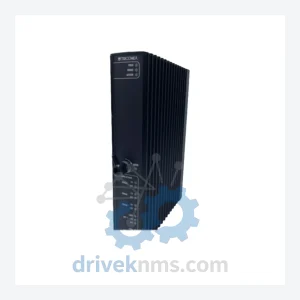
Triconex Tricon CX Series Modules: CM3201S2 CPU Module
Triconex CM3201S2 is listed for Tricon RFQ review. Confirm quantity, condition and destination before quotation.
RFQ-ready industrial model
Model: 2700 2700-2
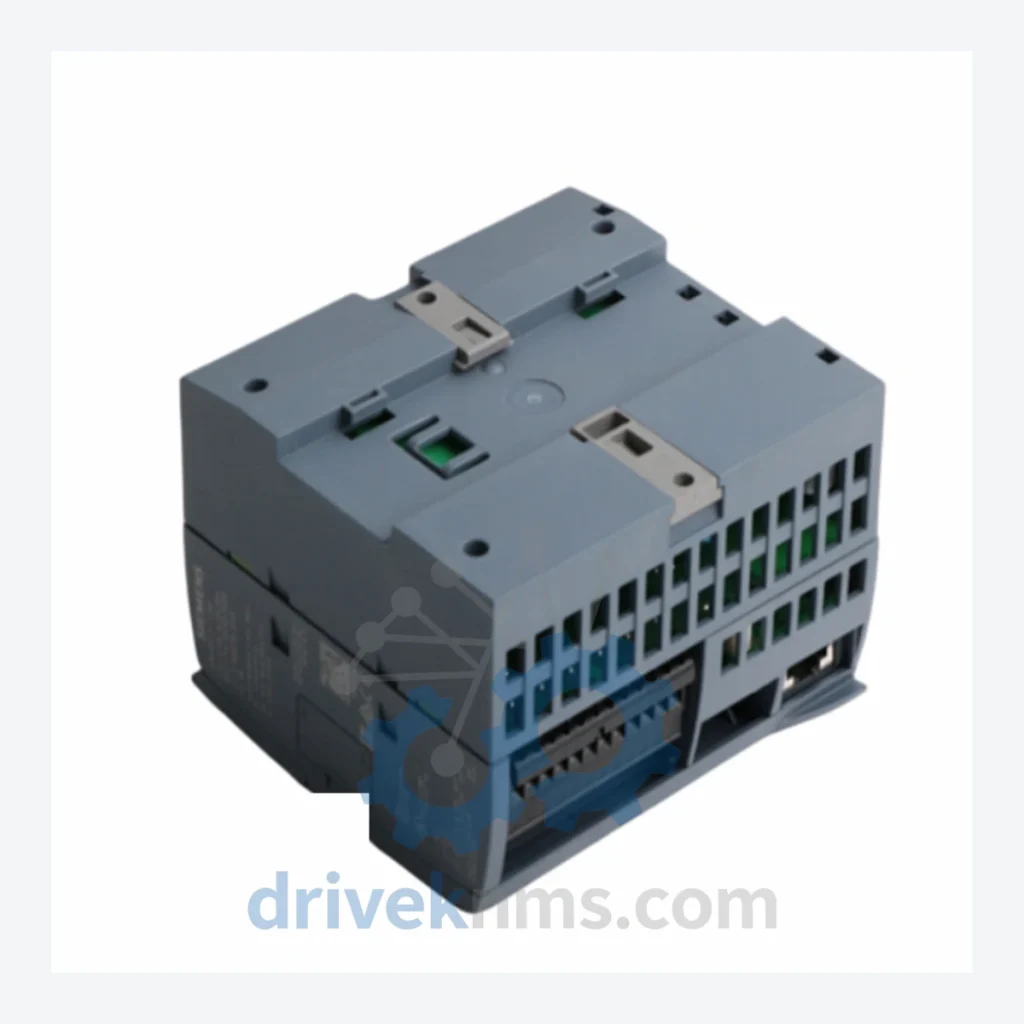
Product Overview
Commercial availability is handled through direct RFQ, model verification and export-oriented follow-up rather than public cart checkout.
Datasheet Preview
Use attached product manuals when available. If the manual is not public yet, request the full file directly through RFQ.
Commercial Path
Product pages on DRIVEKNMS are designed to verify model, brand and series first, then move the buyer into one clean quotation path.
Technical Dossier
RFQ support for obsolete parts: Send the model number, required quantity and destination so DriveKNMS can confirm sourcing options before quotation.
| Parameter | Detail |
|---|---|
| Part Number | 2700 / 2700-2 |
| Manufacturer | Invensys Triconex (now Schneider Electric Triconex) |
| Product Series | Tricon TMR Safety System |
| Module Function | Control Module (Main Processor / Communication) |
| Compatible Platform | Tricon v9 / v10 Safety Controllers |
| Lifecycle Status | Discontinued / Obsolete – No longer manufactured |
| Country of Origin | United States |
| Condition Available | New surplus / Professionally refurbished (see QA section) |
Note: Electrical parameters not listed here are application-specific and vary by system configuration. DriveKNMS does not publish unverified specifications. Contact us for datasheet support.
The Triconex Tricon platform has been the backbone of safety instrumented systems across refineries, LNG terminals, and chemical plants for decades. The 2700 and 2700-2 Control Modules served as the central processing and communication backbone within the Tricon chassis, coordinating the triple-redundant voting logic that defines the system's SIL 3 capability.
Schneider Electric (which acquired Invensys in 2014) has progressively end-of-lifed the original Tricon hardware in favor of the Tricon CX platform. Replacement parts for the legacy Tricon v9/v10 architecture are no longer available through standard distribution channels. For facilities still operating on this platform — and there are thousands globally — the only viable path to maintaining functional safety certification without a full system replacement is access to verified spare hardware.
Extending the operational life of a Tricon-based SIS by 5 to 10 years through strategic spare parts management is a well-established practice among asset-intensive industries. The financial logic is straightforward: a single 2700-2 module sourced from a qualified supplier costs a fraction of one percent of a full SIS migration project. For plant managers facing budget constraints, regulatory pressure, or simply a production schedule that cannot accommodate a multi-week system changeover, maintaining a critical spare inventory is not a workaround — it is a defensible asset protection strategy.
The 2700 / 2700-2 is commonly found in Tricon systems deployed alongside legacy DCS platforms such as Honeywell TDC 3000, Foxboro I/A Series, and Yokogawa CENTUM CS. In these integrated environments, replacing the SIS in isolation is rarely straightforward, making hardware continuity even more operationally critical.
DriveKNMS applies a structured 5-step inspection protocol to all obsolete control system hardware before it is offered for sale. This process is designed to address the specific failure modes associated with aged industrial electronics:
Q: How are RFQ terms confirmed?
A: Quantity, required condition, documentation needs, destination and sourcing route are confirmed during RFQ review before quotation.
Step 2 – Electrolytic Capacitor Assessment: Aged electrolytic capacitors are a primary failure point in legacy control hardware. Each unit is inspected for capacitor bulging, leakage, and ESR degradation. Units with suspect capacitors are either recapped by qualified technicians or removed from inventory.
Step 3 – Firmware Version Verification: Where accessible, firmware revision is documented and cross-referenced against known compatible versions for the target Tricon platform. Incompatible firmware versions are flagged prior to shipment.
Step 4 – Pin and Connector Integrity Check: Backplane connector pins are inspected under magnification for oxidation, bending, and contact resistance issues — a common cause of intermittent faults in legacy modules.
Step 5 – Functional Burn-In (where applicable): Units are powered and monitored for stability prior to packaging. Any unit that does not pass functional verification is not offered for sale.
The Triconex 2700 / 2700-2 is a direct hardware replacement for the same part number within the Tricon chassis. There is no firmware reprogramming required on the part of the end user, and no modification to the existing safety application logic. The module slots into the existing backplane and the Tricon system recognizes it as part of the TMR configuration without engineering intervention.
This drop-in replacement capability eliminates the need for costly re-engineering, re-validation, or functional safety re-certification of the broader SIS — provided the replacement module is of the correct revision and condition. For maintenance teams operating under tight turnaround windows, this is a material operational advantage. There is no requirement to engage a system integrator or OEM field service team solely to restore hardware redundancy.
For facilities managing multiple Tricon-based units across a site, DriveKNMS can discuss bulk spare inventory arrangements to support a long-term maintenance strategy without repeated sourcing cycles.
Q: How is condition confirmed before quotation?
A: Available condition, photos, test records and documentation are checked according to the requested model and sourcing channel before a formal RFQ response.
Q: Should I buy one spare or multiple units?
A: For any facility still operating on the legacy Tricon platform, holding a minimum of one cold spare per critical module type is standard practice. Given the accelerating scarcity of 2700 / 2700-2 units in the secondary market, procurement teams managing multi-year maintenance plans are advised to secure inventory now rather than at the point of failure.
Continue The Model Path
Move from this exact model into the matching system hub, brand archive, model-family archive or lifecycle sourcing route before sending a final RFQ list.
Related Paths
Triconex CM3201S2 is listed for Tricon RFQ review. Confirm quantity, condition and destination before quotation.
Triconex PI3381 is listed for Tricon RFQ review. Confirm quantity, condition and destination before quotation.
Triconex 7400221-100 is listed for Tricon RFQ review. Confirm quantity, condition and destination before quotation.