
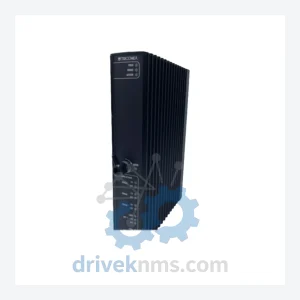
Triconex Tricon CX Series Modules: CM3201S2 CPU Module
Triconex CM3201S2 is listed for Tricon RFQ review. Confirm quantity, condition and destination before quotation.
RFQ-ready industrial model
Model: 4201N
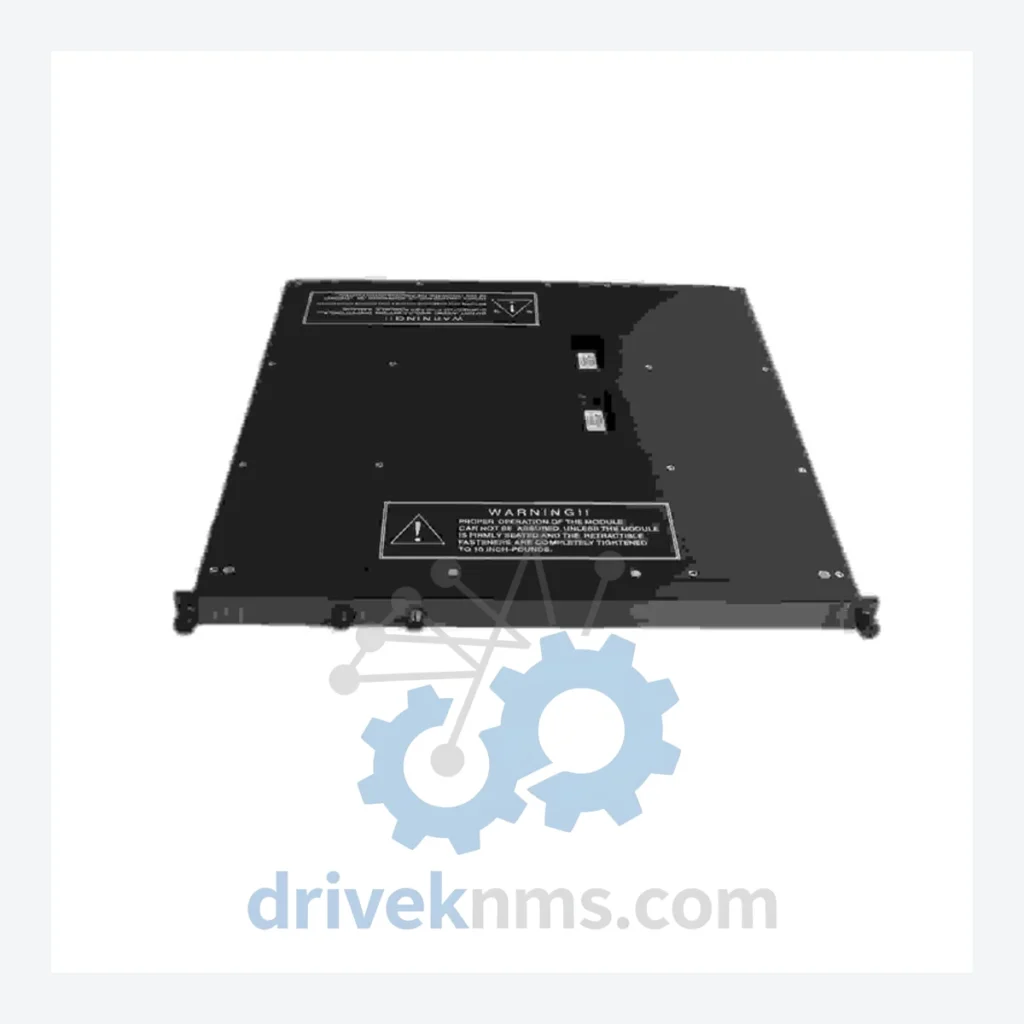
Product Overview
Commercial availability is handled through direct RFQ, model verification and export-oriented follow-up rather than public cart checkout.
Datasheet Preview
Use attached product manuals when available. If the manual is not public yet, request the full file directly through RFQ.
Commercial Path
Product pages on DRIVEKNMS are designed to verify model, brand and series first, then move the buyer into one clean quotation path.
Technical Dossier
RFQ support for obsolete parts: Send the model number, required quantity and destination so DriveKNMS can confirm sourcing options before quotation.
| Part Number | 4201N |
| Manufacturer | Triconex (Schneider Electric) |
| Series | Tricon TMR (Triple Modular Redundant) |
| Module Type | Power Supply Module |
| Compatible Systems | Tricon v9, Tricon v10, Tricon v11 main chassis |
| Application | Safety Instrumented Systems (SIS), Emergency Shutdown (ESD), Burner Management Systems (BMS) |
| OEM Status | Discontinued – No longer manufactured by Schneider Electric |
| Country of Origin | United States |
| Condition Available | New surplus / Professionally refurbished (see QA section) |
Note: Electrical parameters not confirmed by DriveKNMS documentation are intentionally omitted. Contact us for datasheet verification prior to installation.
The Tricon TMR architecture achieves fault tolerance through three independent processing channels that vote on outputs — a design that demands every module, including the power supply, maintain precise electrical integrity. The 4201N is not a commodity component that can be substituted with a generic alternative. Its form factor, backplane interface, and firmware handshake are specific to the Tricon chassis. Removing it from service without a qualified replacement means taking the entire safety loop offline.
For plant managers operating facilities built in the 1990s and 2000s, the Tricon system represents a capital investment that has long since been depreciated — but the process knowledge embedded in its logic, the validation documentation, and the regulatory approvals tied to that specific hardware configuration represent an ongoing asset that cannot be easily transferred to a new platform. A forced migration does not simply mean buying new hardware; it means re-engineering cause-and-effect matrices, re-validating against functional safety standards (IEC 61511), retraining operations staff, and scheduling a planned shutdown that may not align with production cycles or market conditions.
Maintaining a strategic spare inventory of critical modules like the 4201N is the lowest-cost risk mitigation available. A single unit held in climate-controlled storage can defer a multi-million dollar migration by five to ten years — time that allows facilities to plan transitions on their own schedule rather than under emergency conditions.
DriveKNMS applies a structured 5-step qualification process to every 4201N unit before it leaves our facility:
Units that do not pass all five stages are quarantined and not offered for sale.
Q: How are RFQ terms confirmed?
A: Quantity, required condition, documentation needs, destination and sourcing route are confirmed during RFQ review before quotation.
Q: Can you support multi-unit or repeat RFQ requests?
A: Yes. Send the model list, target quantity and destination so DRIVEKNMS can review sourcing options and quote the requirement as a project RFQ.
Continue The Model Path
Move from this exact model into the matching system hub, brand archive, model-family archive or lifecycle sourcing route before sending a final RFQ list.
Related Paths
Triconex CM3201S2 is listed for Tricon RFQ review. Confirm quantity, condition and destination before quotation.
Triconex PI3381 is listed for Tricon RFQ review. Confirm quantity, condition and destination before quotation.
Triconex 7400221-100 is listed for Tricon RFQ review. Confirm quantity, condition and destination before quotation.