
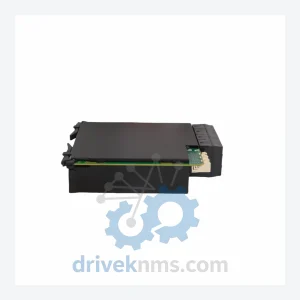
GE UR Series Modules: UR6AV Digital I/O Module —
GE UR Series: Comprehensive Module Range and Technical Overview The GE Grid Solutions UR Series (Universal Relay) platform is one…
Model: NNA1E222.1
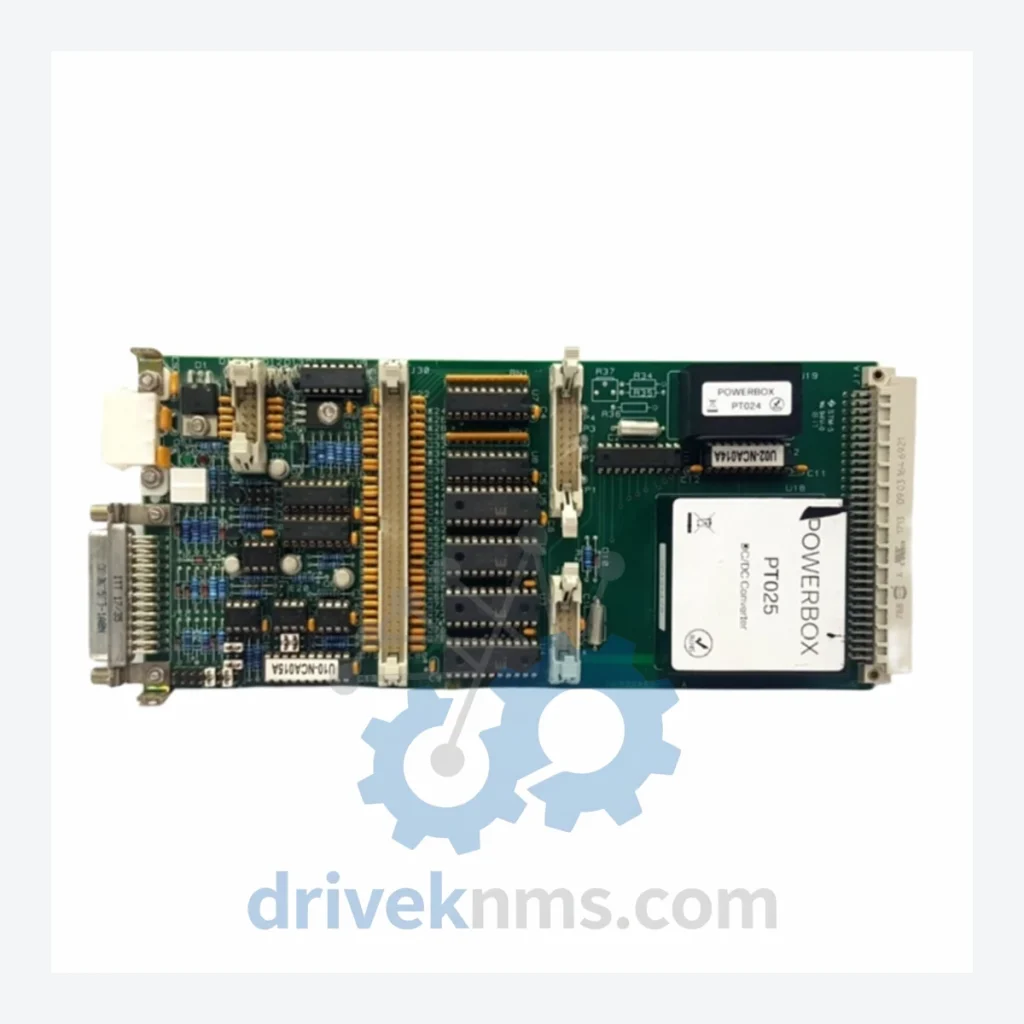
Product Overview
Commercial availability is handled through direct RFQ, model verification and export-oriented follow-up rather than public cart checkout.
Datasheet Preview
Use attached product manuals when available. If the manual is not public yet, request the full file directly through RFQ.
Commercial Path
Product pages on DRIVEKNMS are designed to verify model, brand and series first, then move the buyer into one clean quotation path.
Technical Dossier
The Delta Tau UMAC-CPCI (Universal Motion and Automation Controller – CompactPCI) platform is a high-density, rack-based motion control architecture deployed across global heavy industry sectors including petrochemical processing, nuclear power generation, precision semiconductor fabrication, and steel rolling mills. Built on the PMAC2 (Programmable Multi-Axis Controller, 2nd Generation) Turbo DSP engine, the UMAC-CPCI backplane supports up to 32 axes of coordinated motion with deterministic real-time performance. Its CompactPCI (CPCI) form factor ensures mechanical robustness and hot-swap capability, making it a preferred platform for continuous-process industries where unplanned downtime carries significant financial and safety consequences. The 603625-104 PMAC2 Turbo CPU (SKU: NNA1E222.1) is the central processing unit of this architecture, executing motion programs, PLC ladder logic, and real-time servo loop closure simultaneously.
Delta Tau's motion control lineage begins with the original PMAC (Programmable Multi-Axis Controller) introduced in the early 1990s, which established the foundation for DSP-based multi-axis servo control. The PMAC2 generation introduced a faster Motorola DSP56300-series processor, expanded memory addressing, and a refined servo interrupt structure capable of sub-millisecond loop closure. The UMAC-CPCI chassis was developed to package PMAC2 Turbo intelligence into a 6U CompactPCI rack, enabling modular I/O expansion via standardized CPCI slots. Key architectural milestones include the transition from PMAC1 ISA-bus cards to PMAC2 PCI/CPCI form factors, the introduction of the Turbo PMAC2 with enhanced floating-point DSP throughput, and the subsequent migration path toward the Power PMAC (UMAC-TURBO successor) based on PowerPC architecture. Compatibility considerations are critical: PMAC2 Turbo firmware is not binary-compatible with Power PMAC firmware; motion programs and PLC code require recompilation and logic review when migrating between generations. Legacy UMAC-CPCI systems running PMAC2 Turbo firmware (versions 1.940–1.945) remain in active service at facilities with long equipment replacement cycles, making certified spare parts availability a primary operational concern.
CPU / Controller Modules
Analog / Digital I/O Modules
Encoder / Feedback Interface Modules
Communication & Fieldbus Adapter Modules
Power Supply Modules
The UMAC-CPCI platform entered its mature/end-of-active-production phase as Delta Tau (acquired by Kollmorgen/Danaher) transitioned its primary development focus to the Power PMAC and EtherCAT-native architectures. However, the installed base of UMAC-CPCI systems in long-lifecycle industries — nuclear instrumentation, offshore drilling control, and legacy CNC retrofit — remains substantial. OEM new-production availability for modules such as the 603625-104 and associated ACC-series I/O cards is no longer guaranteed through standard distribution channels.
DriveKNMS maintains a dedicated inventory program for UMAC-CPCI lifecycle extension, covering: verified surplus stock of CPU and I/O modules, component-level repair services for backplane and DSP board failures, firmware version matching to ensure compatibility with existing PMAC2 Turbo installations, and functional equivalency testing against OEM performance benchmarks. All sourced units are traceable to documented supply chains and are not refurbished without full disclosure.
UMAC-CPCI modules present specific test challenges due to their CompactPCI backplane bus architecture and real-time DSP servo loop dependencies. DriveKNMS applies a structured validation protocol for all UMAC-CPCI units processed:
Related Paths
GE UR Series: Comprehensive Module Range and Technical Overview The GE Grid Solutions UR Series (Universal Relay) platform is one…
GE Multilin UR Series: Comprehensive Module Range and Technical Overview The GE Multilin Universal Relay (UR) Series represents one of…
GE UR Series: Comprehensive Module Range and Technical Overview The GE UR (Universal Relay) Series, developed by GE Grid Solutions…