
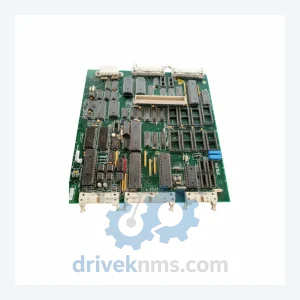
KONGSBERG NN791 Modules NN791.10 CPU 5MHZ I/O Processor Card
Kongsberg NN791.10 CPU 5MHZ is listed for Servo Drives RFQ review. Confirm quantity, condition and destination before quotation.
RFQ-ready industrial model
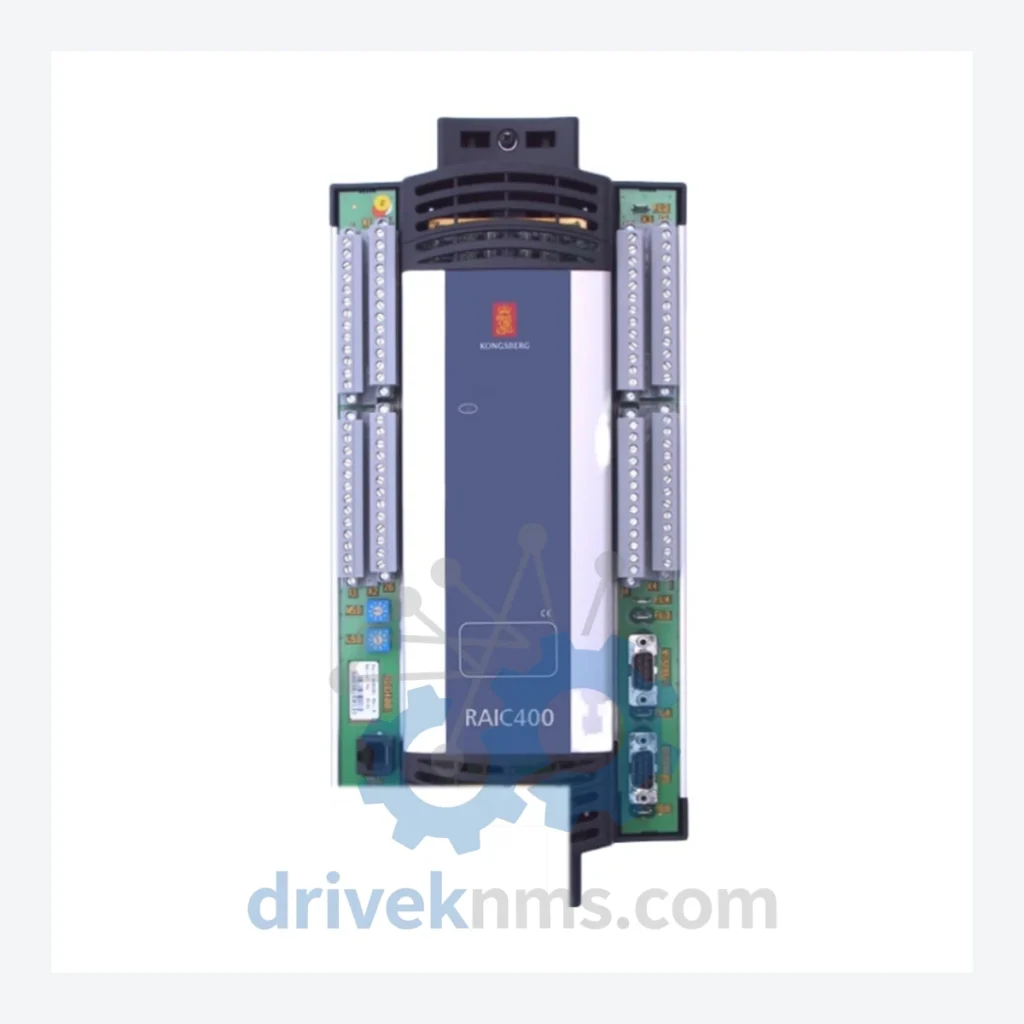
Model: RAIC400
Product Overview
Commercial availability is handled through direct RFQ, model verification and export-oriented follow-up rather than public cart checkout.
Datasheet Preview
Use attached product manuals when available. If the manual is not public yet, request the full file directly through RFQ.
Commercial Path
Product pages on DRIVEKNMS are designed to verify model, brand and series first, then move the buyer into one clean quotation path.
Technical Dossier
DriveKNMS reviews sourcing options for this model through RFQ handling before quotation.
RFQ support for obsolete parts: Send the model number, required quantity and destination so DriveKNMS can confirm sourcing options before quotation.
| Parameter | Detail |
|---|---|
| Part Number | RAIC400 |
| Manufacturer | Kongsberg |
| Module Type | Remote Analogue Input Module |
| Country of Origin | Norway |
| Lifecycle Status | Discontinued / Obsolete – No longer manufactured or supported by OEM |
| Compatible Systems | Kongsberg legacy distributed control systems (DCS) |
| Note on Parameters | Detailed electrical specifications are confirmed upon request to ensure accuracy. No unverified data is published. |
The Kongsberg RAIC400 was designed for use in distributed control environments where remote analogue signal acquisition is a foundational requirement. In these architectures, the module handles field-level signal conditioning and transmission to the central processing layer. There is no generic substitute that integrates without engineering intervention.
Facilities running Kongsberg legacy DCS platforms face a structural problem: the OEM has discontinued support, third-party repair capacity is shrinking, and the installed base of these systems remains large. Plant managers who have deferred system upgrades — a rational decision given capital expenditure constraints — now find themselves in a position where a single module failure can trigger a forced, unplanned migration.
The strategic response is not to accelerate that migration on a crisis timeline. It is to maintain a controlled inventory of verified spare parts that extends the operational life of the existing system by 5 to 10 years, allowing the facility to plan and budget a migration on its own schedule rather than under production pressure.
Obsolete parts sourced outside OEM channels carry inherent risk. DriveKNMS applies a structured 5-step inspection protocol before any unit is offered for sale:
Units that do not pass all five stages are not offered for sale. Condition grade is documented and provided with each shipment.
Q: Should I purchase more than one unit?
A: For any module classified as obsolete, maintaining a minimum of two units in reserve is standard practice. The cost of a second unit is negligible relative to the cost of a production stoppage while sourcing a replacement under time pressure. For facilities with multiple identical systems, a proportional buffer is recommended.
Continue The Model Path
Move from this exact model into the matching system hub, brand archive, model-family archive or lifecycle sourcing route before sending a final RFQ list.
Related Paths
Kongsberg NN791.10 CPU 5MHZ is listed for Servo Drives RFQ review. Confirm quantity, condition and destination before quotation.
Kongsberg RCU510 is listed for Servo Drives RFQ review. Confirm quantity, condition and destination before quotation.
Kongsberg RCU502 is listed for Dynamic Positioning Series RFQ review. Confirm quantity, condition and destination before quotation.