
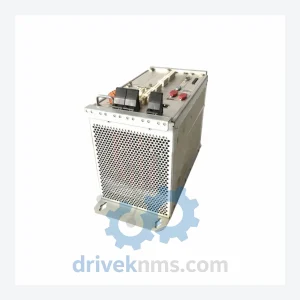
Kontron ASMC Series Modules ASMC2177G
Kontron ASMC2177G is listed for ASMC Series RFQ review. Confirm quantity, condition and destination before quotation.
RFQ-ready industrial model
Model: CP6500-V
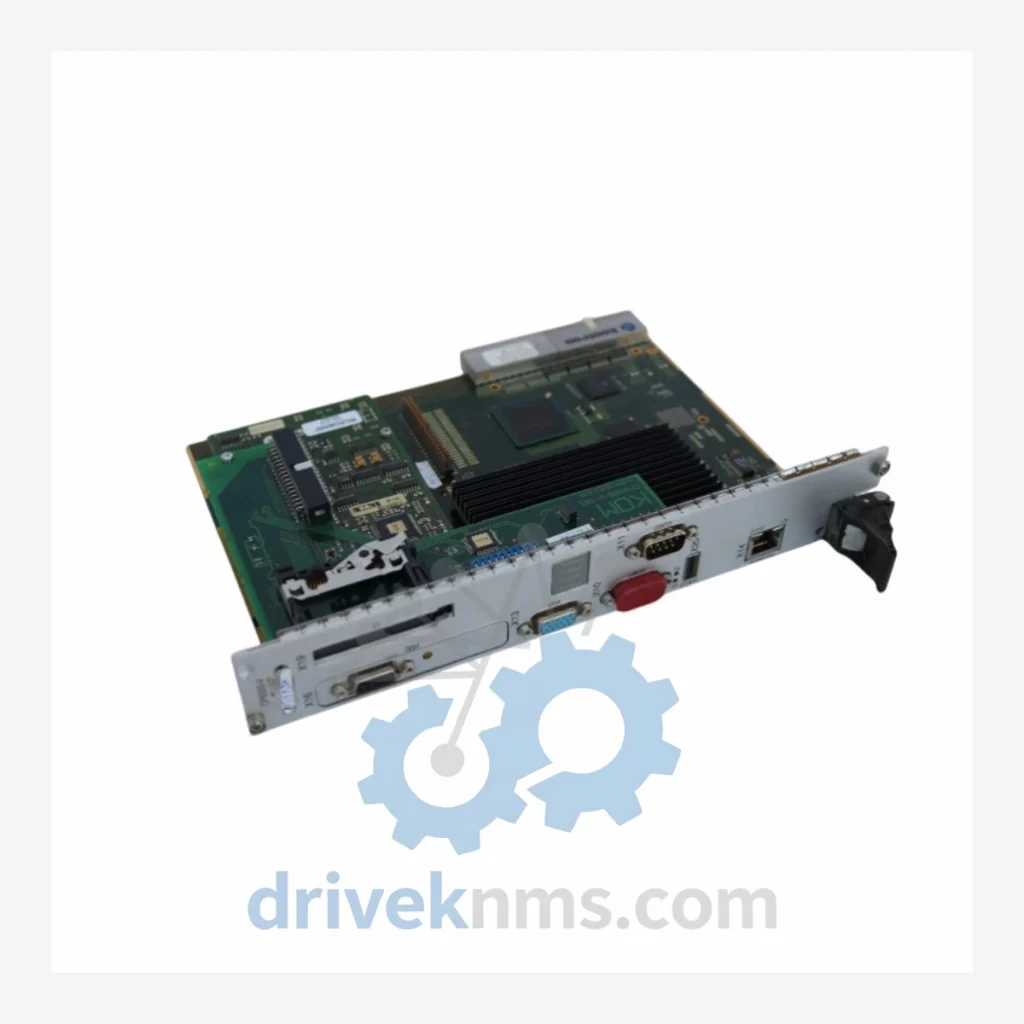
Product Overview
Commercial availability is handled through direct RFQ, model verification and export-oriented follow-up rather than public cart checkout.
Datasheet Preview
Use attached product manuals when available. If the manual is not public yet, request the full file directly through RFQ.
Commercial Path
Product pages on DRIVEKNMS are designed to verify model, brand and series first, then move the buyer into one clean quotation path.
Technical Dossier
RFQ support for obsolete parts: Send the model number, required quantity and destination so DriveKNMS can confirm sourcing options before quotation.
| Parameter | Detail |
|---|---|
| Part Number | CP6500-V |
| Manufacturer | Kontron |
| Product Series | CP6500 CompactPCI Series |
| Form Factor | CompactPCI (cPCI), 6U |
| Product Category | Single Board Controller / CPU Board |
| Discontinuation Status | Obsolete – No longer manufactured or supported by Kontron |
| Country of Origin | Germany |
| Typical Legacy System Compatibility | CompactPCI backplane systems; commonly deployed in industrial automation, telecom infrastructure, and defense platforms |
The Kontron CP6500 series was a widely deployed CompactPCI controller platform used across industrial automation, rail signaling, telecommunications switching, and defense computing applications throughout the late 1990s and 2000s. Its 6U CompactPCI architecture made it a backbone component in systems designed for long operational lifecycles — precisely the environments where hardware obsolescence creates the most acute risk.
When Kontron discontinued the CP6500 series, operators of these systems were left with a narrowing window to secure replacement inventory before the secondary market dried up. The challenge is structural: CompactPCI systems were engineered as integrated platforms. The controller board is not an interchangeable commodity — it is the computational core around which the entire chassis, backplane, and I/O architecture was designed. Substituting a different board family requires re-engineering the system from the ground up.
For plant managers and maintenance engineers responsible for facilities running CP6500-based infrastructure, the calculus is straightforward. A verified spare board sourced today costs a fraction of what a forced migration will cost in 18 months when the last available units have been absorbed by the market. Facilities that have implemented structured obsolete-parts inventory programs for their CompactPCI systems routinely extend operational asset life by 5 to 10 years beyond the manufacturer's end-of-life date — deferring capital expenditure on platform replacement until it can be planned, budgeted, and executed on the facility's own schedule rather than under emergency conditions.
The CP6500-V specifically represents a variant within the CP6500 family. Confirming the exact variant designation against your system's bill of materials before procurement is essential. DriveKNMS can assist with cross-referencing your system documentation to confirm compatibility prior to order.
Sourcing obsolete hardware from the secondary market carries inherent risk. DriveKNMS applies a structured 5-step quality assurance process to every CP6500-V unit before it is offered for sale:
Step 1 – Visual and Physical Inspection: Each board undergoes detailed visual examination for mechanical damage, pin corrosion, solder joint integrity, and evidence of prior field repairs or unauthorized modifications.
Step 2 – Electrolytic Capacitor Assessment: Boards of this generation are susceptible to electrolytic capacitor degradation. Each unit is inspected for capacitor bulging, leakage, and ESR deviation — the primary failure mode in aged CompactPCI hardware.
Step 3 – Connector and Pin Integrity Check: CompactPCI backplane connectors are inspected for oxidation, bent pins, and contact wear that could cause intermittent faults in service.
Step 4 – Firmware Version Verification: Where accessible, firmware revision is documented and disclosed to the buyer. Firmware version compatibility with the target system is the buyer's responsibility to confirm, and DriveKNMS will provide all available version information to support that assessment.
Step 5 – Functional Verification (where applicable): Units are powered and tested where test infrastructure permits. Condition grade — New Surplus, Tested Refurbished, or As-Removed — is clearly disclosed for each unit at time of quotation.
Drop-in Replacement: The CP6500-V is a direct form-fit-function replacement for failed units within the same CP6500-based chassis. No backplane modifications, no re-engineering of the I/O subsystem.
No Reprogramming of Application Software Required: Replacing a failed controller board with an identical spare preserves the existing application software environment. This eliminates the qualification and validation burden that accompanies any platform change — a critical consideration in regulated industries including pharmaceuticals, food processing, and rail.
Avoids Engineering Reconstruction Costs: A forced migration from a CompactPCI platform to a current-generation architecture requires new hardware integration, software porting, I/O remapping, and in many cases, third-party system integrator engagement. Sourcing a verified spare board eliminates that cost entirely for the duration of the spare's service life.
Q: How do I know the unit is genuine and not counterfeit?
A: All units are sourced through documented supply chain channels. Physical markings, board revision labels, and serial number formats are verified against known-good references. Counterfeit risk in the CompactPCI segment is lower than in high-volume commodity components, but our inspection process includes authenticity verification as a standard step.
Q: Should I buy more than one unit?
A: For systems where the CP6500-V is a single point of failure, holding a minimum of one cold spare is standard practice. For facilities with multiple chassis using this board, a ratio of one spare per three installed units is a commonly applied maintenance planning benchmark. Given that secondary market availability of this part is finite and declining, procurement decisions made today carry more optionality than those deferred to a future failure event.
Continue The Model Path
Move from this exact model into the matching system hub, brand archive, model-family archive or lifecycle sourcing route before sending a final RFQ list.
Related Paths
Kontron ASMC2177G is listed for ASMC Series RFQ review. Confirm quantity, condition and destination before quotation.
Kontron CP6000/FTC-02 is listed for Fault-Tolerant Series RFQ review. Confirm quantity, condition and destination before quotation.
Kontron VMEM-S2 is listed for Servo Drives RFQ review. Confirm quantity, condition and destination before quotation.