
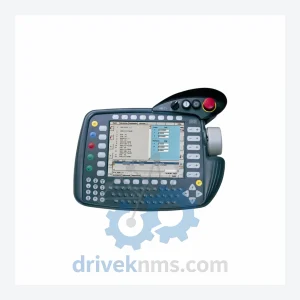
KUKA KCP2 VKCP2 Robot Control Panel – KCP Series
Kuka KCP2 VKCP2 is listed for KCP Series RFQ review. Confirm quantity, condition and destination before quotation.
RFQ-ready industrial model
Model: 00-176-107 00-176-108 00-178-641 00-178-641
Product Overview
Commercial availability is handled through direct RFQ, model verification and export-oriented follow-up rather than public cart checkout.
Datasheet Preview
Use attached product manuals when available. If the manual is not public yet, request the full file directly through RFQ.
Commercial Path
Product pages on DRIVEKNMS are designed to verify model, brand and series first, then move the buyer into one clean quotation path.
Technical Dossier
RFQ support for obsolete parts: Send the model number, required quantity and destination so DriveKNMS can confirm sourcing options before quotation.
| Manufacturer | KUKA Robotics |
|---|---|
| Part Numbers | 00-176-107 / 00-176-108 / 00-178-641 |
| Component Type | AC Servo Motor |
| Compatible Series | KUKA KR Series Industrial Robots (KR 6, KR 16, KR 30, KR 60 and related variants) |
| Typical Controller Compatibility | KUKA KRC1, KRC2 controller generations |
| Country of Origin | Germany |
| Production Status | Discontinued – No longer manufactured by OEM |
| Electrical Parameters | Please contact us for confirmed specifications prior to ordering. Parameters vary by axis assignment and robot variant. We do not publish unverified data. |
KUKA KRC1 and KRC2 controller platforms were the backbone of automotive body-in-white lines, foundry automation, and palletizing systems installed throughout the 1990s and 2000s. Many of these installations remain mechanically sound and operationally justified — the robots themselves have decades of structural life remaining. The weak point is the servo drive chain: motors, encoders, and associated electronics that are no longer supported by the OEM.
Replacing a single failed axis motor with a verified spare extends the productive life of an entire robotic cell. The alternative — a forced migration to a current-generation robot platform — requires new end-of-arm tooling, updated safety fencing, PLC interface re-engineering, and weeks of production re-qualification. For a facility running 20 or 30 legacy KUKA cells, that migration cost is a capital expenditure that most maintenance budgets cannot absorb on an emergency timeline.
Holding verified spare motors for the 00-176-107, 00-176-108, and 00-178-641 positions is not stockpiling — it is asset protection. A single unit on the shelf converts a potential multi-week shutdown into a same-shift repair. For plant managers operating under OEE targets and asset depreciation schedules, that calculation is straightforward.
How to extend your KUKA KR-series robot assets by 5–10 years:
Obsolete servo motors sourced from secondary markets carry real risk if they are not properly evaluated before installation. DriveKNMS applies a structured 5-step inspection protocol to all units in this category:
Units that do not pass all five stages are not offered for sale. We do not apply cosmetic remediation to mask underlying condition issues.
Continue The Model Path
Move from this exact model into the matching system hub, brand archive, model-family archive or lifecycle sourcing route before sending a final RFQ list.
Related Paths
Kuka KCP2 VKCP2 is listed for KCP Series RFQ review. Confirm quantity, condition and destination before quotation.
Kuka KCP2 is listed for Servo Drives RFQ review. Confirm quantity, condition and destination before quotation.
Kuka KSD1-16 is listed for Servo Drives RFQ review. Confirm quantity, condition and destination before quotation.