
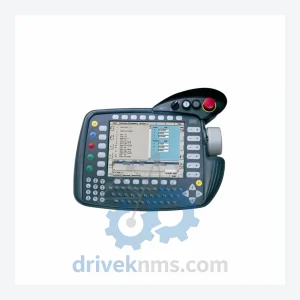
KUKA KCP2 Teach Pendant Modules
KUKA KCP2 Series: Comprehensive Module Range and Technical Overview The KUKA KCP2 (KUKA Control Panel 2) teach pendant is the…
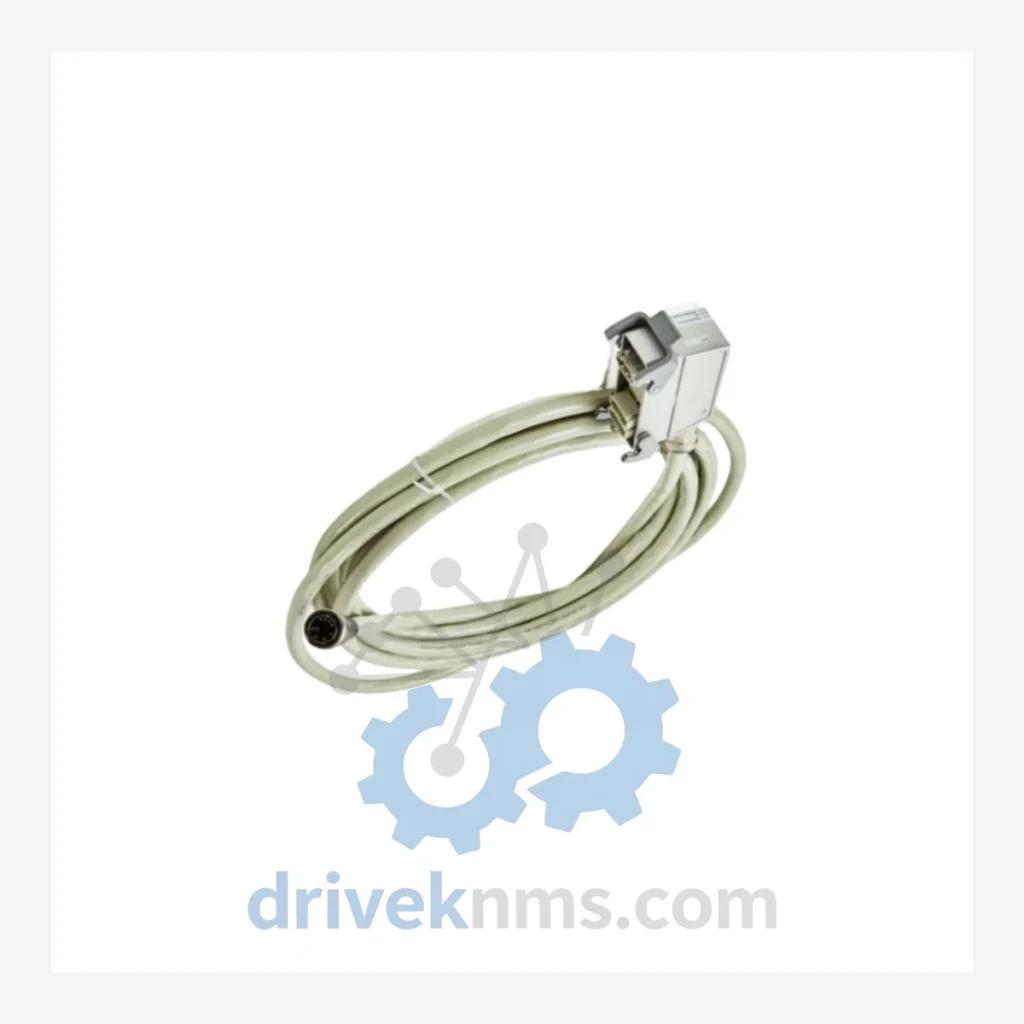
Model: 00-179-159 1FK7063-5AF71-1SY3-Z S77 C400-277-094 00-174-901
Product Overview
Commercial availability is handled through direct RFQ, model verification and export-oriented follow-up rather than public cart checkout.
Datasheet Preview
Use attached product manuals when available. If the manual is not public yet, request the full file directly through RFQ.
Commercial Path
Product pages on DRIVEKNMS are designed to verify model, brand and series first, then move the buyer into one clean quotation path.
Technical Dossier
When a KUKA robot cell goes dark because a teach pendant cable fails, the cost is rarely just the cable. For facilities running legacy KRC1 or KRC2 robot controllers — systems that may have been in continuous production service for 15 to 25 years — a single unavailable cable can trigger a forced migration to KRC4 or KRC5 architecture. That migration carries engineering costs, re-integration expenses, and production downtime that routinely exceed six figures. The KUKA 00-179-159 Teach Pendant Cable Extension is the physical link between the operator and the robot. Without it, the cell cannot be jogged, programmed, or safely operated. DriveKNMS maintains sourced stock of this hard-to-find cable to give plant engineers a direct path back to production — without the capital expenditure of a full controller upgrade.
| Parameter | Detail |
|---|---|
| Part Number | 00-179-159 |
| Associated Assembly | C400-277-094 / 00-174-901 |
| Compatible Servo Reference | 1FK7063-5AF71-1SY3-Z S77 (Siemens servo, KUKA-integrated) |
| Function | Teach Pendant (KCP / KCP2) cable extension for KRC robot controllers |
| Compatible Controller Generations | KUKA KRC1, KRC2 (legacy platforms) |
| Availability Status | Discontinued / Hard-to-Find – No longer in standard KUKA distribution |
| Country of Origin | Germany |
| Condition Available | New Old Stock (NOS) / Inspected Surplus |
Note: Electrical parameters specific to cable pinout and shielding spec are not published independently by KUKA. Do not substitute with generic cable assemblies — connector keying and signal integrity requirements are proprietary to the KCP pendant interface.
KUKA KRC1 and KRC2 controllers were deployed globally through the 1990s and 2000s across automotive body shops, foundries, and general assembly lines. Many of these cells remain mechanically sound — the robot arm itself, the servo drives, and the process tooling represent capital investments that have long since been amortized. The controller and its peripheral cables, however, are the weak point. KUKA's official support lifecycle for KRC2 ended years ago, and spare parts have progressively exited the authorized distribution network.
The teach pendant cable is a high-wear item. It is flexed, routed through cable tracks, and exposed to weld spatter, coolant mist, and mechanical stress every shift. Failure rates increase sharply after 8–10 years of continuous operation. When the cable fails and no replacement is available through standard channels, plant management faces a binary choice: source the part from the secondary market, or commit to a full controller migration.
A structured spare parts strategy eliminates that forced choice. Facilities that maintain a buffer stock of two to three critical cable assemblies — including the 00-179-159 extension — can absorb failures without production impact. The cost of holding that inventory is a fraction of a single shift of unplanned downtime, and an order of magnitude less than a KRC4 migration project. For plants with multiple KUKA cells on the same controller generation, a shared spare pool across cells further reduces per-unit holding cost. This is not a complex strategy. It is basic asset protection applied to automation infrastructure that has already proven its reliability over decades of service.
Sourcing a discontinued cable from the secondary market carries legitimate risk. DriveKNMS applies a 5-step inspection protocol to all legacy cable assemblies before shipment:
What warranty applies to a discontinued cable assembly?
DriveKNMS provides a 90-day warranty against defects identified through our inspection process. Warranty covers failure under normal operating conditions. Physical damage from installation errors or environmental exposure is excluded.
How do I confirm the unit is new or properly inspected surplus?
Each unit ships with a condition disclosure document stating the source classification (NOS or inspected surplus), the inspection steps completed, and the inspector reference. We do not ship untested units.
Should I buy more than one unit?
For any facility with a single KRC1 or KRC2 cell, holding one spare is the minimum prudent position. For facilities with two or more cells on the same controller generation, a shared pool of two units is recommended. Teach pendant cables are not manufactured to order — when secondary market stock is exhausted, no further supply exists. Procurement decisions made under emergency conditions are always more expensive than planned purchases.
Can this cable be used with KRC4 or newer controllers?
No. The KRC4 platform uses the smartPAD pendant with a different connector interface. The 00-179-159 is specific to the KCP/KCP2 pendant used on KRC1 and KRC2 controllers.
What is the lead time?
In-stock units ship within 2 business days of payment confirmation. Contact us to confirm current availability before placing an order.
Related Paths
KUKA KCP2 Series: Comprehensive Module Range and Technical Overview The KUKA KCP2 (KUKA Control Panel 2) teach pendant is the…
KUKA KCP2 VKCP2 Robot Control Panel: Sourcing Strategy & Asset Return Value in a Constrained Global Supply Chain The KUKA…
KUKA KVGA Series: Comprehensive Module Range and Technical Overview The KUKA KVGA (KRC Video Graphics Adapter) series is a family…