Products / Kuka / KRC2
Kuka KRC2

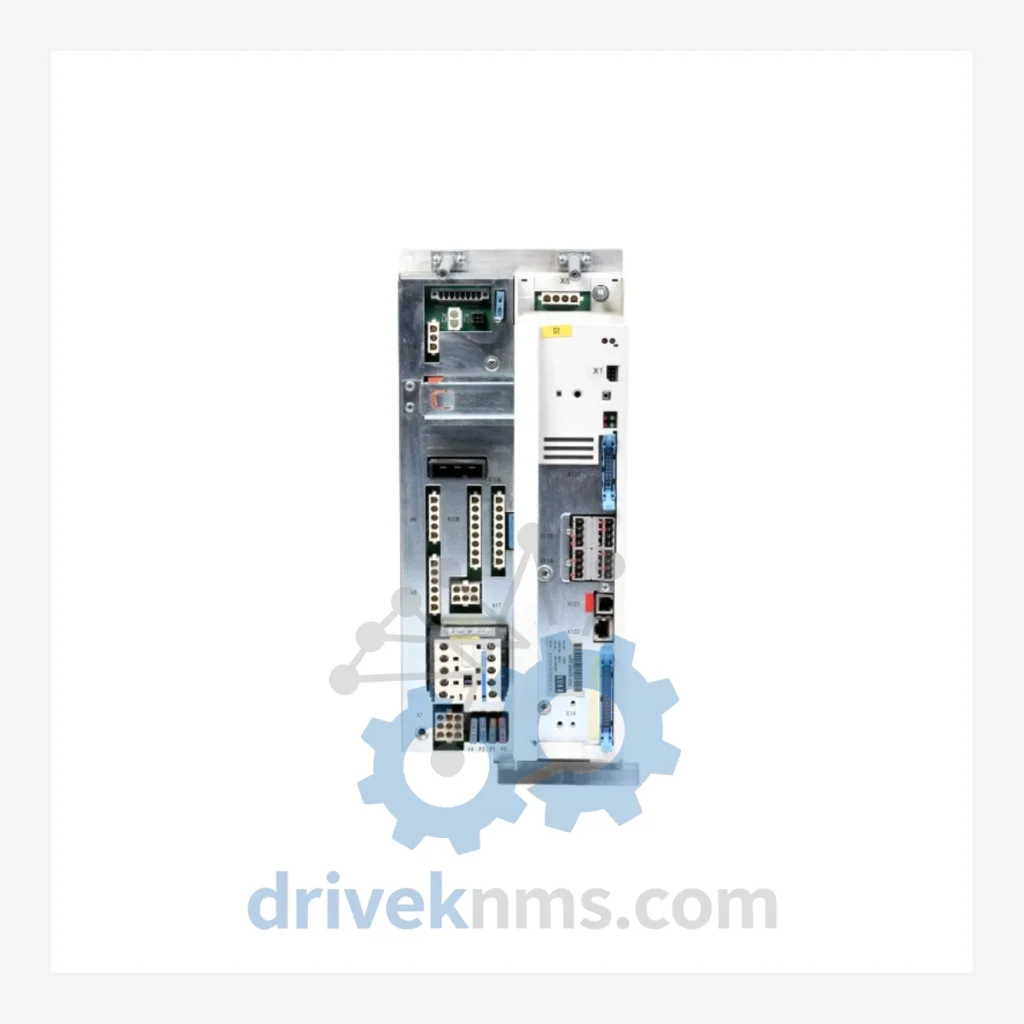
KUKA C2KSS-16-32 RTP100-10 KPS-600/20-ESC Servo Drive Power Supply Unit – Obsolete KRC2 Spare Part

Model: C2KSS-16-32 RTP100-10 KPS-600/20-ESC
Brand Kuka
Series KRC2
Model C2KSS-16-32 RTP100-10 KPS-600/20-ESC
RFQ-ready model route Obsolete and surplus sourcing Export follow-up by model list

Product Overview

Commercial availability is handled through direct RFQ, model verification and export-oriented follow-up rather than public cart checkout.

Datasheet Preview

Datasheet Preview

Use attached product manuals when available. If the manual is not public yet, request the full file directly through RFQ.

Request Full Manual

Commercial Path

Use This Page To Confirm The Model, Then Move To RFQ

Product pages on DRIVEKNMS are designed to verify model, brand and series first, then move the buyer into one clean quotation path.

Technical Dossier

Product Details And Specifications

KUKA C2KSS-16-32 RTP100-10 KPS-600/20-ESC Servo Drive Power Supply Unit – Obsolete KRC2 Spare Part

When a KPS-600/20-ESC power supply unit fails inside a KUKA KRC2 controller cabinet, the production line does not pause politely. It stops. For facilities still running KUKA KRC2-based robot cells — a platform that powered automotive body shops, foundry automation, and heavy-payload palletizing lines through the 1990s and 2000s — sourcing a direct replacement for this discontinued module has become one of the most operationally critical procurement challenges in industrial maintenance.

A forced migration away from a KRC2 platform is not a line-item expense. Engineering assessments, robot re-programming, safety re-certification, mechanical re-integration, and production downtime during cutover routinely accumulate costs measured in hundreds of thousands to several million dollars per cell. A single verified spare part, secured in advance, eliminates that exposure entirely.

DriveKNMS holds physical inventory of the KUKA C2KSS-16-32 RTP100-10 KPS-600/20-ESC. This is not a catalog listing. Stock is finite and allocated on a first-confirmed basis.

Technical Specifications

Parameter Detail
Manufacturer KUKA Roboter GmbH
Part Number C2KSS-16-32 RTP100-10 KPS-600/20-ESC
Component Type Servo Drive Power Supply Unit
Compatible Controller KUKA KRC2 (C2 Cabinet)
Compatible Robot Series KR 6, KR 16, KR 30, KR 60, KR 100, KR 150, KR 200 (KRC2 generation)
Discontinuation Status Discontinued – No longer manufactured or supported by KUKA
Country of Origin Germany
Condition Available New Old Stock (NOS) / Professionally Refurbished

Note: Electrical parameters such as input voltage range, output current ratings, and bus voltage specifications are model-variant dependent. DriveKNMS will confirm exact electrical specifications against your serial number and cabinet configuration upon inquiry. No parameters are published here that cannot be verified against physical hardware.

Solving the Discontinued Hardware Crisis

The KUKA KRC2 controller platform reached end-of-life status, and KUKA's official spare parts support for KRC2 components has been progressively withdrawn. The KPS-600/20-ESC is the primary power conditioning and distribution module within the C2 cabinet — it converts incoming mains supply, manages DC bus voltage for the servo amplifier modules, and provides regulated power rails for the controller electronics. There is no functional substitute that installs without hardware and software re-engineering.

Facilities that have not pre-positioned spare KPS units face a binary choice when failure occurs: locate a verified used or NOS unit on the secondary market within days, or begin an unplanned platform migration under production pressure. The secondary market for KRC2 power supply modules has tightened considerably as working donor machines are consumed. Lead times from unvetted brokers now routinely exceed 8–16 weeks with no condition guarantee.

For plant engineering and maintenance managers responsible for KRC2 robot cells, the calculus is straightforward: the cost of holding one or two verified spare KPS units is a rounding error against the cost of a single week of unplanned downtime or an emergency platform migration.

How to extend your KRC2 asset life by 5–10 years without a platform migration:

  • Pre-position critical power supply spares. The KPS module is the single highest-consequence failure point in the KRC2 cabinet. A verified spare on the shelf converts a potential 4–8 week production crisis into a 4-hour maintenance event.
  • Audit capacitor condition on a 7–10 year cycle. Electrolytic capacitors in power supply modules degrade with thermal cycling. Proactive replacement of aged capacitors in a spare unit — before installation — eliminates the most common failure mode in aging power electronics.
  • Maintain firmware version records. KRC2 systems are sensitive to firmware compatibility between the KPS, servo amplifiers, and the KRC controller board. Document the firmware versions in your running system before any component swap.
  • Establish a controlled storage protocol for spare modules. Power electronics stored improperly degrade. Spares should be stored in anti-static packaging, in a climate-controlled environment, with periodic power-up cycles every 12–18 months to reform capacitors.
  • Negotiate a multi-unit procurement. If your facility operates more than two KRC2 cells, the per-unit cost of a small strategic reserve is substantially lower than emergency single-unit sourcing under production pressure.

Condition & Reliability Assurance

DriveKNMS applies a structured 5-step qualification process to all KRC2 power supply units before dispatch. This process is designed specifically for the failure modes common to aging industrial power electronics:

  1. Visual and mechanical inspection. Full external inspection for physical damage, connector pin condition, PCB contamination, and evidence of thermal events.
  2. Electrolytic capacitor assessment. Capacitors are the primary age-related failure point in this class of module. Each unit is assessed for capacitor condition; units with visibly degraded or bulging capacitors are either recapped or rejected.
  3. Pin and connector corrosion check. All connector interfaces are inspected and cleaned. Corroded or deformed pins are documented and addressed before the unit is offered for sale.
  4. Firmware version verification. Where accessible, firmware version is recorded and disclosed to the buyer to support compatibility verification against the target system.
  5. Functional power-up test. Units are bench-tested under controlled conditions. Results are documented. Any unit that does not pass functional testing is not offered as a serviceable spare.

Condition grade (New Old Stock, Grade A Refurbished, or tested used) is disclosed explicitly on each order confirmation. No unit is shipped without a documented test record.

Key Features for System Maintenance

  • Drop-in replacement. The C2KSS-16-32 RTP100-10 KPS-600/20-ESC installs directly into the KRC2 C2 cabinet without mechanical modification.
  • No re-programming required. The KRC2 controller does not require software reconfiguration following a like-for-like KPS replacement. Maintenance personnel can execute the swap without robot programming expertise.
  • Avoids engineering re-integration costs. A direct spare eliminates the need for system integrator involvement, safety re-certification, and production re-qualification that a platform migration would require.
  • Preserves existing tooling and end-effector investment. Robots running on KRC2 often carry application-specific tooling with significant capital value. Maintaining the platform protects that downstream investment.
  • Supports multi-shift production continuity. For facilities running continuous or multi-shift operations, the ability to execute a rapid, verified swap is a direct operational risk management measure.

FAQ

What warranty applies to a discontinued part?
DriveKNMS provides a 90-day functional warranty on all tested and refurbished units, covering failure under normal operating conditions. New Old Stock units are sold with a 30-day inspection warranty. Warranty terms are confirmed in writing on the order confirmation.

How do I know the unit is genuine and not a counterfeit?
All units sourced by DriveKNMS are inspected for manufacturer markings, PCB construction, and component authenticity. We do not source from unverified channels. Provenance documentation is provided where available.

Should I buy more than one unit?
For facilities operating multiple KRC2 cells, or for cells classified as production-critical, holding a minimum of one spare KPS unit is standard risk management practice. DriveKNMS can discuss volume pricing for strategic reserve procurement.

Can you verify compatibility with my specific robot model and serial number?
Yes. Provide your robot model, serial number, and KRC2 cabinet configuration when you contact us. DriveKNMS will confirm compatibility before order confirmation.

© 2026 DriveKNMS. All trademarks belong to their respective owners. Specifications are for reference only and subject to change without notice. Verify all parameters against official documentation before installation.