
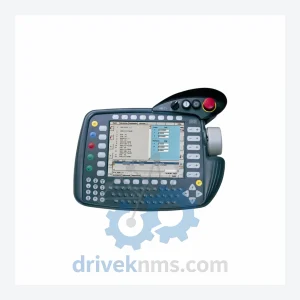
KUKA KCP2 VKCP2 Robot Control Panel – KCP Series
Kuka KCP2 VKCP2 is listed for KCP Series RFQ review. Confirm quantity, condition and destination before quotation.
RFQ-ready industrial model
Model: IRC4 00-171-602
Product Overview
Commercial availability is handled through direct RFQ, model verification and export-oriented follow-up rather than public cart checkout.
Datasheet Preview
Use attached product manuals when available. If the manual is not public yet, request the full file directly through RFQ.
Commercial Path
Product pages on DRIVEKNMS are designed to verify model, brand and series first, then move the buyer into one clean quotation path.
Technical Dossier
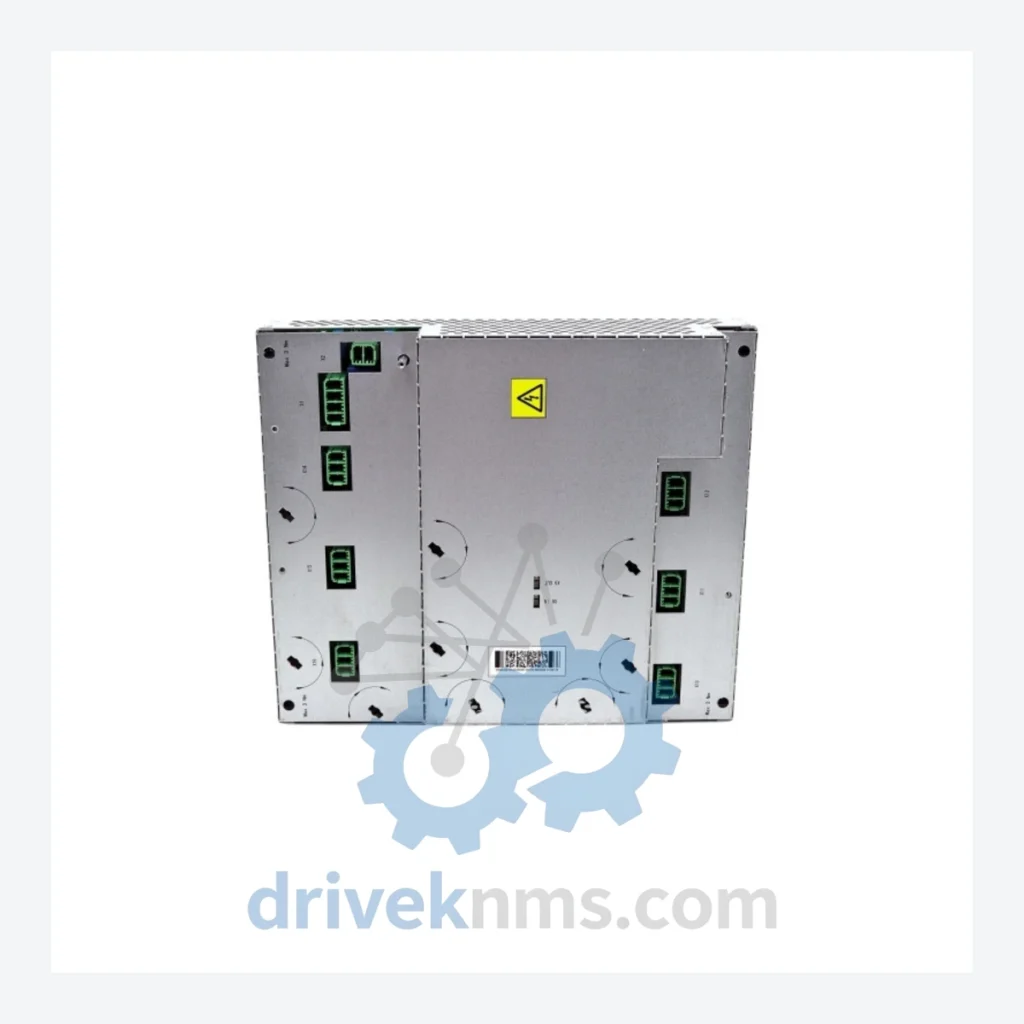
The KUKA IRC4 00-171-602 is a control cabinet internal module for the IRC4 controller generation. DriveKNMS holds RFQ-reviewed sourcing status of this reference. Procurement teams and maintenance engineers who have spent weeks on back-order queues with OEM channels will find this listing relevant.
RFQ support for obsolete parts: Send the model number, required quantity and destination so DriveKNMS can confirm sourcing options before quotation.
Note: Electrical parameters specific to this sub-assembly are not published in open documentation. DriveKNMS does not fabricate specifications. Confirmed technical data is provided upon request with supporting documentation.
The KUKA IRC4 controller platform entered widespread deployment in automotive and general industry from the early 2010s onward. Thousands of IRC4-based robot cells remain in active production globally. KUKA's official support lifecycle for IRC4 hardware has progressively narrowed, and replacement modules such as the 00-171-602 are no longer manufactured on demand.
For plant engineers managing these assets, the practical reality is this: the IRC4 controller is deeply embedded in the control architecture of the robot cell. It communicates with the KR C4 cabinet's safety controller (KSB), the servo drives, and the teach pendant (smartPAD) through proprietary KUKA protocols. There is no generic substitute. A failed module cannot be replaced with a third-party equivalent without triggering a full system re-qualification — a process that typically requires KUKA-certified engineers and takes weeks, not days.
Maintaining a physical spare of the 00-171-602 is not a luxury procurement decision. It is the lowest-cost insurance policy available against a failure mode that carries six-figure consequences. Plants that have adopted a structured critical-spare strategy for IRC4 components report extending the productive life of their robot cells by 5 to 10 years beyond the OEM's recommended upgrade window — deferring capital expenditure while maintaining throughput targets.
Obsolete industrial hardware sourced from the secondary market carries inherent risk if it is not properly evaluated before installation. DriveKNMS applies a structured 5-step inspection protocol to all IRC4 modules prior to shipment:
Q: Can you source other IRC4 modules beyond this part number?
A: Yes. DriveKNMS maintains an active sourcing network for KUKA IRC4, KRC2, and KRC4 platform components. Submit your full BOM or part number list for a consolidated availability check.
Continue The Model Path
Move from this exact model into the matching system hub, brand archive, model-family archive or lifecycle sourcing route before sending a final RFQ list.
Related Paths
Kuka KCP2 VKCP2 is listed for KCP Series RFQ review. Confirm quantity, condition and destination before quotation.
Kuka KCP2 is listed for Servo Drives RFQ review. Confirm quantity, condition and destination before quotation.
Kuka KSD1-08 is listed for KSD Series RFQ review. Confirm quantity, condition and destination before quotation.