
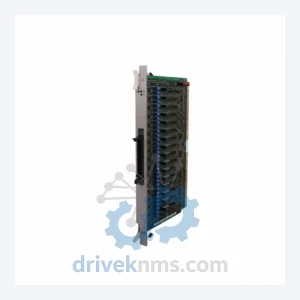
KUKA MFC2 MFC2-IC3 00-125-236 00-108-766 PCB Board – KRC2 Series
Kuka MFC2 MFC2-IC3 00-125-236 00-108-766 is listed for KRC2 RFQ review. Confirm quantity, condition and destination before quotation.
RFQ-ready industrial model
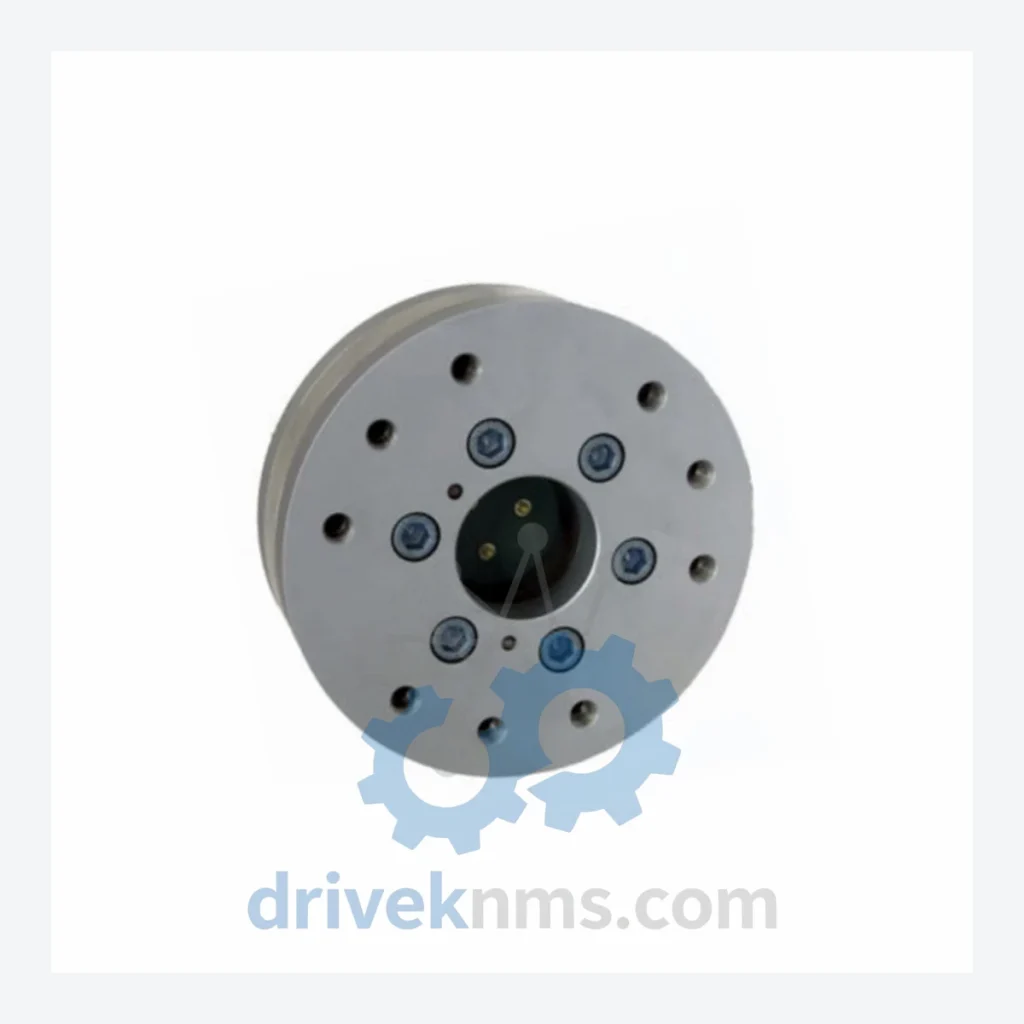
Model: KPC400-357-986 00-271-601 KPC400-271-601 00-271-601KPC4 00271601
Product Overview
Commercial availability is handled through direct RFQ, model verification and export-oriented follow-up rather than public cart checkout.
Datasheet Preview
Use attached product manuals when available. If the manual is not public yet, request the full file directly through RFQ.
Commercial Path
Product pages on DRIVEKNMS are designed to verify model, brand and series first, then move the buyer into one clean quotation path.
Technical Dossier
RFQ support for obsolete parts: Send the model number, required quantity and destination so DriveKNMS can confirm sourcing options before quotation.
| Parameter | Detail |
|---|---|
| Manufacturer | KUKA Roboter GmbH |
| Part Number | KPC400-357-986 |
| Cross Reference | 00-271-601 / 00-271-601KPC4 / 00271601 |
| Series | KPC400 |
| Product Type | Servo Drive / Power Supply Module |
| Compatible Controllers | KUKA KRC1, KRC2 |
| Compatible Robot Families | KUKA KR 6, KR 15, KR 16, KR 30, KR 60, KR 100, KR 150, KR 200 (KRC1/KRC2 generation) |
| Discontinuation Status | Confirmed Discontinued – No longer available via KUKA official channels |
| Country of Origin | Germany |
Note: Electrical parameters such as input voltage range, output current ratings, and bus voltage specifications are not published here to prevent misapplication. Please contact us with your robot serial number and controller cabinet label for confirmation before ordering.
The KUKA KRC1 and KRC2 controller platforms were workhorses of automotive and general industrial automation from approximately 1996 through the mid-2000s. Tens of thousands of these systems remain in active production globally — in body shops, foundries, palletizing lines, and machine-tending cells. KUKA's official support for KRC1 hardware ended years ago, and KRC2 support has been progressively wound down.
The KPC400 module sits at the heart of the KRC cabinet's power distribution and servo drive architecture. It is not a peripheral component. When it fails, the entire robot arm loses motion capability. There is no software workaround. There is no field repair path for most facilities.
Migrating a single KRC1 or KRC2 robot to a current KRC4 or KRC5 platform involves mechanical recabling, teach pendant replacement, full program re-validation, and in many cases, safety system recertification. Industry estimates for a single robot retrofit range from USD 25,000 to USD 80,000 depending on payload class and integration complexity. For a line of 10 or 20 robots, the capital exposure is immediate and substantial.
A verified replacement KPC400-357-986 module, installed by a qualified KUKA service technician, restores full robot function without any of that cost or timeline. For plant managers under pressure to defer capital expenditure, maintaining a strategic spare parts inventory for KRC1/KRC2 systems is not a workaround — it is a documented asset protection strategy used by tier-one automotive suppliers worldwide.
How to extend your KUKA KRC1/KRC2 robot system life by 5–10 years:
This approach has allowed facilities in the automotive, food processing, and heavy manufacturing sectors to operate KUKA KRC1/KRC2 systems well beyond their nominal end-of-support dates, with documented uptime records that justify continued operation to finance and operations leadership.
Sourcing discontinued industrial hardware from the open market carries real risk. DriveKNMS applies a structured 5-step inspection protocol to every KPC400-357-986 unit before it is offered for sale.
Can this module be used in a KRC2 ed05 or later cabinet?
Compatibility depends on the specific cabinet configuration and hardware revision. Please provide your robot type plate data and cabinet serial number when inquiring, and our technical team will confirm compatibility before any order is placed.
Continue The Model Path
Move from this exact model into the matching system hub, brand archive, model-family archive or lifecycle sourcing route before sending a final RFQ list.
Related Paths
Kuka MFC2 MFC2-IC3 00-125-236 00-108-766 is listed for KRC2 RFQ review. Confirm quantity, condition and destination before quotation.
Kuka MFC3 00-117-336 is listed for KRC2 RFQ review. Confirm quantity, condition and destination before quotation.
Kuka KRC2 00-130-547 is listed for KRC2 RFQ review. Confirm quantity, condition and destination before quotation.