
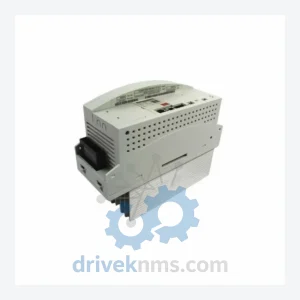
KUKA 00-169-213 Control Cabinet Power Module – Obsolete KRC4 Spare Part
Kuka KRC4 27V 00-169-213 is listed for KRC4 RFQ review. Confirm quantity, condition and destination before quotation.
RFQ-ready industrial model
Model: KRC4 00-183-926A1-X3
Product Overview
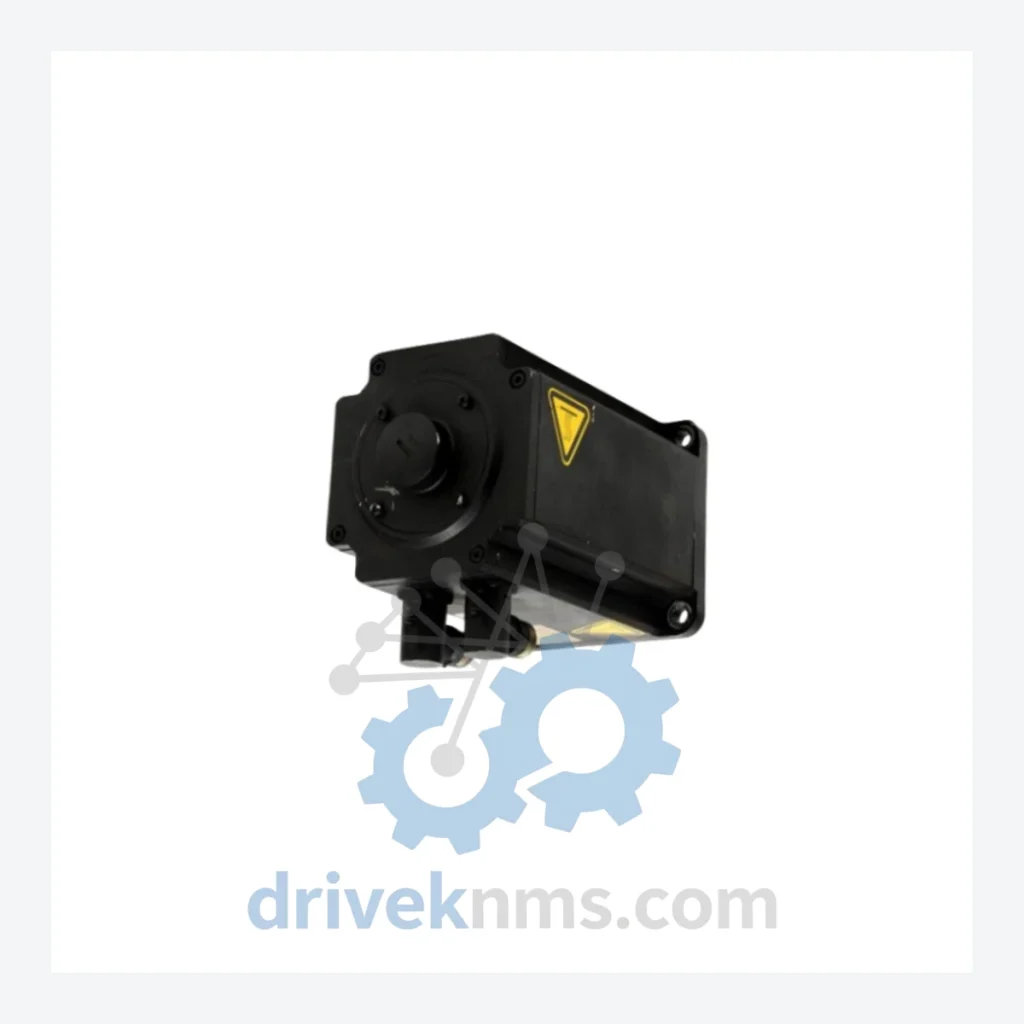
Commercial availability is handled through direct RFQ, model verification and export-oriented follow-up rather than public cart checkout.
Datasheet Preview
Use attached product manuals when available. If the manual is not public yet, request the full file directly through RFQ.
Commercial Path
Product pages on DRIVEKNMS are designed to verify model, brand and series first, then move the buyer into one clean quotation path.
Technical Dossier
The KUKA KRC4 is the fourth-generation robot controller platform introduced by KUKA Roboter GmbH (Augsburg, Germany) and has become the dominant control cabinet architecture across global heavy industry. Deployed in automotive body-in-white lines, chemical plant material handling, nuclear facility maintenance robots, and refinery pipeline welding cells, the KRC4 platform is estimated to account for the majority of KUKA's installed base from 2011 onward. Its modular backplane architecture, standardized 27 VDC bus voltage, and Windows-based KUKA System Software (KSS) environment make it the reference platform for integrators requiring deterministic real-time motion control combined with open PC connectivity. The KRC4 00-183-926A1-X3 is a core power supply module within this cabinet, rated at 27 V / 40 A, responsible for delivering regulated DC bus power to the controller's internal logic and I/O subsystems.
KUKA's controller lineage progressed through KRC1 (mid-1990s, proprietary VME bus), KRC2 (2000–2010, Windows XP-based, VxWorks real-time kernel, 24 VDC logic bus), and KRC2 ed05 (extended lifecycle variant) before the KRC4 platform launched in 2011. KRC4 introduced a unified 27 VDC internal bus, replacing the mixed-voltage schemes of KRC2, and adopted a dual-processor architecture separating the safety controller (KSB — KUKA Safety Board) from the motion controller (KPC — KUKA PC). The KRC4 compact variant (2013) reduced cabinet footprint for small-payload robots (KR AGILUS series), while the KRC4 smallsize (2015) targeted collaborative and cleanroom applications. The KRC4 mid-size addressed medium-payload cells. All variants share the same KSS 8.x software stack and the same 27 VDC power module form factor, ensuring cross-variant spare parts compatibility for power supply modules including the 00-183-926A1-X3. As of 2024, the KRC4 platform is in mature/sustained phase; KUKA has introduced the KRC5 for new installations, but KRC4 will remain in active industrial service through the 2030s given the volume of installed systems. Long-term maintenance sourcing is therefore a primary operational concern for end users.
The following SKUs represent verified components within the KUKA KRC4 ecosystem, organized by functional category. Each module is a discrete field-replaceable unit (FRU) within the KRC4 cabinet.
Power Supply & Distribution
Safety & System Boards
Drive & Servo Modules
I/O & Communication Modules
Continue The Model Path
Move from this exact model into the matching system hub, brand archive, model-family archive or lifecycle sourcing route before sending a final RFQ list.
Related Paths
Kuka KRC4 27V 00-169-213 is listed for KRC4 RFQ review. Confirm quantity, condition and destination before quotation.
Kuka KRC4 is listed for KRC4 RFQ review. Confirm quantity, condition and destination before quotation.
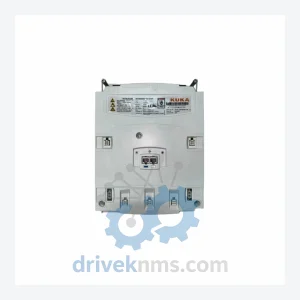
Kuka 00-284-170 KPC4 00284170 00-198-269 00-198-260KRC400198260 is listed for KRC4 RFQ review. Confirm quantity, condition and destination before quotation.