
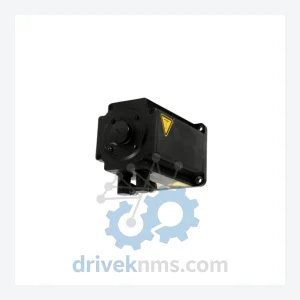
KUKA KRC4 Modules: KRC4 00-183-926A1-X3 Control Cabinet Power Module 27V 40A
Kuka KRC4 00-183-926A1-X3 is listed for KRC4 RFQ review. Confirm quantity, condition and destination before quotation.
RFQ-ready industrial model
Model: KRC4 27V 00-169-213
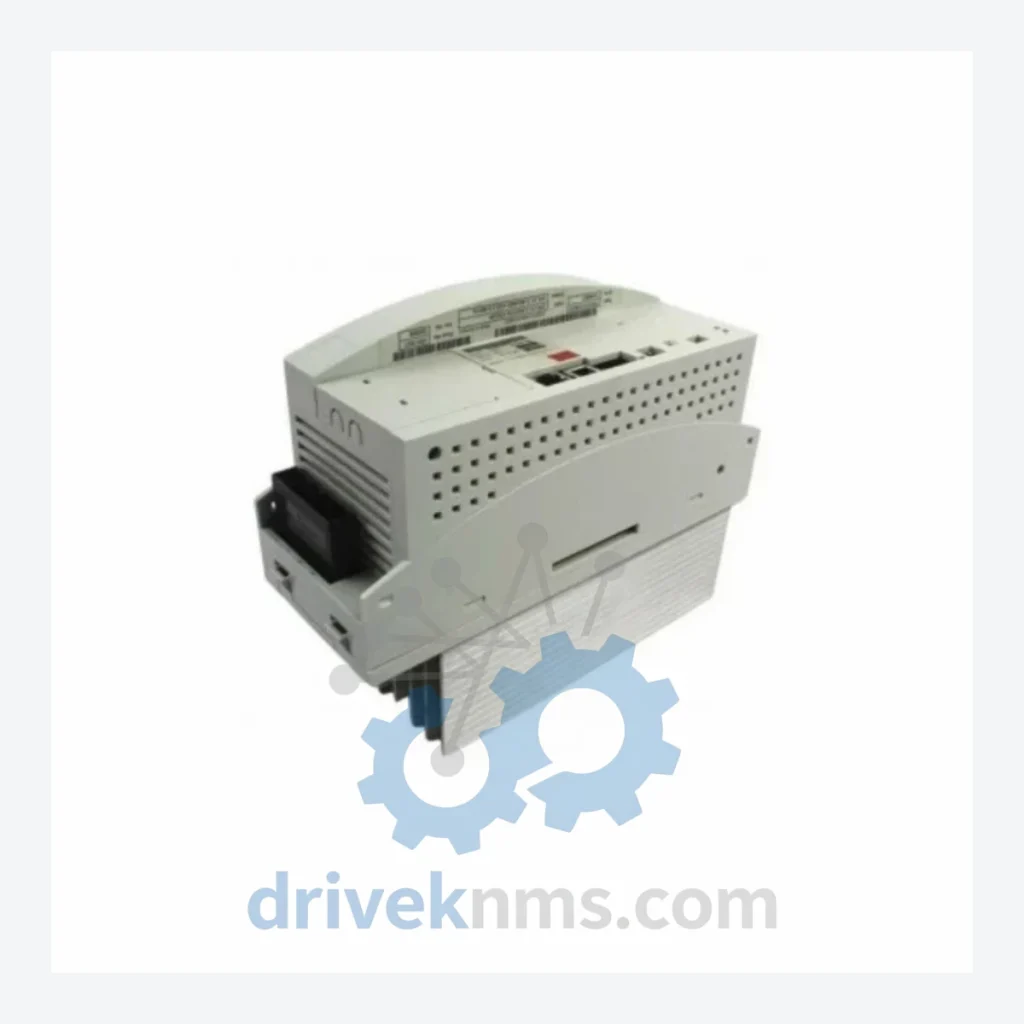
Product Overview
Commercial availability is handled through direct RFQ, model verification and export-oriented follow-up rather than public cart checkout.
Datasheet Preview
Use attached product manuals when available. If the manual is not public yet, request the full file directly through RFQ.
Commercial Path
Product pages on DRIVEKNMS are designed to verify model, brand and series first, then move the buyer into one clean quotation path.
Technical Dossier
RFQ support for obsolete parts: Send the model number, required quantity and destination so DriveKNMS can confirm sourcing options before quotation.
| Parameter | Value |
|---|---|
| Part Number | 00-169-213 |
| Compatible Platform | KUKA KRC4 Control Cabinet |
| Output Voltage | 27V DC |
| Function | Internal cabinet power supply module |
| Country of Origin | Germany |
| Discontinuation Status | Obsolete – No longer in KUKA active production |
| Typical Compatible Robot Series | KUKA KR AGILUS, KR QUANTEC, KR CYBERTECH (KRC4 generation) |
The KUKA KRC4 platform was the dominant robot controller architecture across automotive, electronics, and general manufacturing for over a decade. Thousands of KRC4 cabinets remain in active service globally. KUKA's transition to the KRC5 platform has progressively reduced the availability of KRC4-specific internal components, including the 00-169-213 power module.
For plant managers facing this reality, the decision is rarely straightforward. A full robotic cell upgrade involves not only capital expenditure but also production freeze periods, re-programming of robot paths, re-validation of safety zones, and retraining of maintenance staff. In regulated industries such as automotive Tier 1 supply or medical device assembly, re-validation alone can take months.
The practical alternative — sourcing a verified replacement 00-169-213 module — extends the operational life of the existing KRC4 cell by years at a fraction of the cost. Facilities that maintain a strategic inventory of two to three units of this module can absorb unexpected failures without production impact, preserving the capital investment already made in the robotic system and deferring migration costs until a planned, budgeted upgrade cycle.
This is not a workaround. It is standard asset lifecycle management practice in industrial automation.
Sourcing obsolete industrial components carries inherent risk. DriveKNMS applies a structured 5-step inspection protocol to every KRC4 power module before it is offered for sale:
Condition grade and test results are disclosed in full prior to shipment. We do not ship units that fail any step without explicit disclosure and buyer agreement.
The KRC4 controller's mechanical and structural components — the cabinet enclosure, cable harnesses, teach pendant, and robot arm itself — have service lives that routinely exceed 15–20 years under normal operating conditions. The limiting factor in most KRC4 retirements is not mechanical wear but component-level obsolescence: a single unavailable board or module forces a decision that the hardware itself does not require.
The 00-169-213 power module is precisely this type of bottleneck component. It is a standard internal supply unit with no mechanical wear mechanism. A replacement unit, properly sourced and installed, restores the cabinet to full operational status. Combined with a proactive sparing strategy — maintaining one or two additional units on-site — a facility can realistically extend the productive life of each KRC4 cell by five to ten years beyond what would otherwise be forced by parts unavailability.
For a facility operating ten KRC4 cells, that deferral represents millions of dollars in avoided capital expenditure and the elimination of a high-risk, high-disruption migration project from the near-term operational plan.
Should I buy more than one unit?
For any facility with multiple KRC4 cabinets or with no alternative sourcing strategy, holding two to three units is a standard risk mitigation practice. The cost of a second unit is negligible compared to the cost of a single unplanned production stoppage.
Can you source other KRC4 components?
Yes. DriveKNMS specializes in hard-to-find and obsolete components across major industrial automation platforms. Contact us with your full part number list.
Continue The Model Path
Move from this exact model into the matching system hub, brand archive, model-family archive or lifecycle sourcing route before sending a final RFQ list.
Related Paths
Kuka KRC4 00-183-926A1-X3 is listed for KRC4 RFQ review. Confirm quantity, condition and destination before quotation.
Kuka KRC4 is listed for KRC4 RFQ review. Confirm quantity, condition and destination before quotation.
Kuka 00-284-170 KPC4 00284170 00-198-269 00-198-260KRC400198260 is listed for KRC4 RFQ review. Confirm quantity, condition and destination before quotation.