
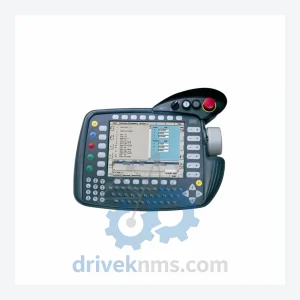
KUKA KCP2 Teach Pendant Modules
Kuka KCP2 is listed for Servo Drives RFQ review. Confirm quantity, condition and destination before quotation.
RFQ-ready industrial model
Model: X20 00-182-465
Product Overview
Commercial availability is handled through direct RFQ, model verification and export-oriented follow-up rather than public cart checkout.
Datasheet Preview
Use attached product manuals when available. If the manual is not public yet, request the full file directly through RFQ.
Commercial Path
Product pages on DRIVEKNMS are designed to verify model, brand and series first, then move the buyer into one clean quotation path.
Technical Dossier
DriveKNMS reviews sourcing status and documentation for this model during RFQ handling before quotation.
RFQ support for obsolete parts: Send the model number, required quantity and destination so DriveKNMS can confirm sourcing options before quotation.
Note: Electrical parameters (voltage rating, conductor cross-section, shielding specification) are not published here to avoid inaccuracy. Confirmed specifications are provided upon request with supporting documentation.
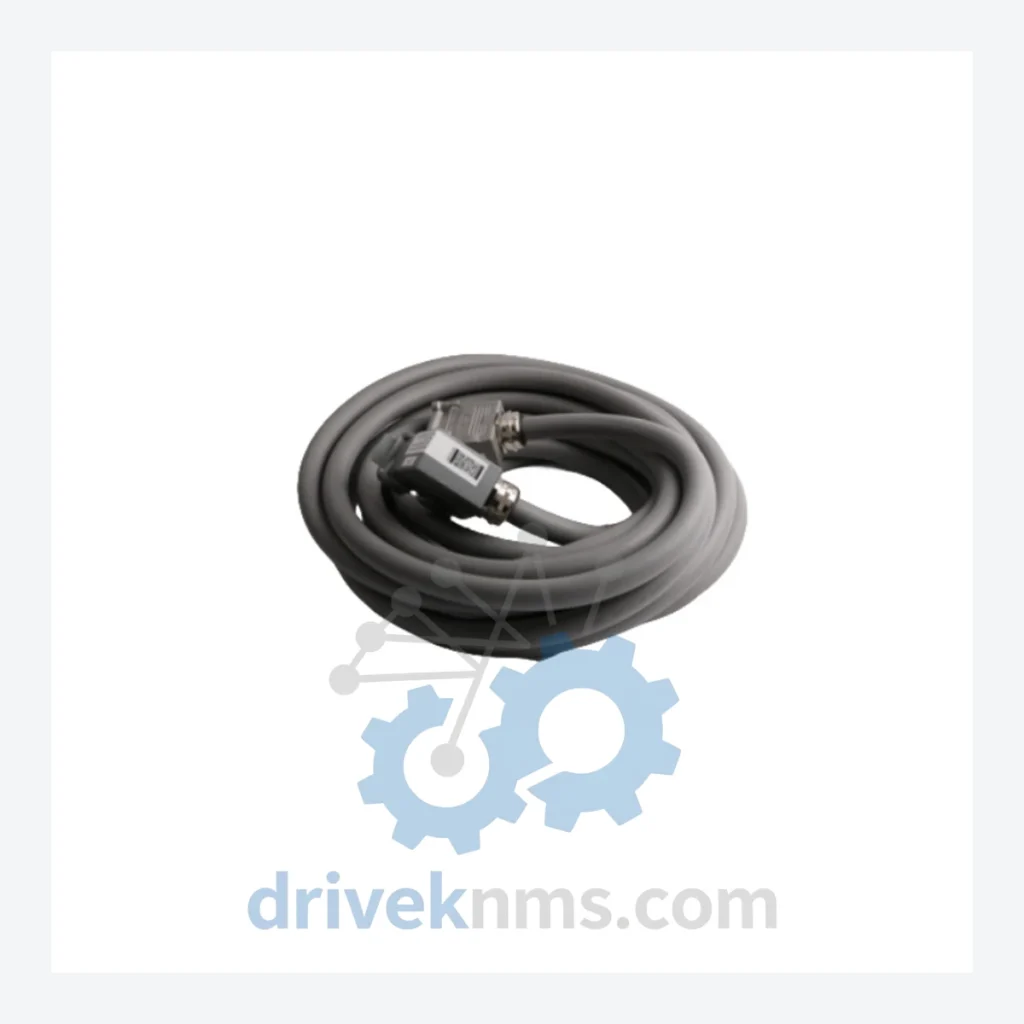
The primary power cable (X20 00-182-465) is a wear-and-failure-prone component in this architecture. It carries power from the controller cabinet to the robot manipulator and is subject to continuous flexing, thermal cycling, and mechanical stress over its service life. When it fails — and eventually it will — the robot stops. The question is not whether you will need this cable, but whether you will have it on hand when the failure occurs.
The pressure to retire aging automation assets is real, but it is rarely driven by the machines themselves — it is driven by parts availability. Address the parts problem, and the retirement decision can be deferred on your terms, not the OEM's. The following approach has been validated across multiple facilities managing legacy KUKA, ABB, and Fanuc fleets:
1. Conduct a failure-mode audit. Identify the top 10 components by historical failure frequency on your specific robot models. Primary power cables, motor power cables, and resolver cables consistently appear on this list for KR C-series robots. These are your procurement priorities.
4. Document firmware and configuration baselines. For KR C1/C2 systems, maintain a complete backup of robot programs, system parameters, and controller configuration. This is independent of hardware sourcing but is equally critical to rapid recovery after any component replacement.
Every KUKA X20 00-182-465 unit shipped by DriveKNMS passes a structured 5-step inspection protocol before dispatch:
Step 1 – Visual and mechanical inspection: Full external examination for jacket damage, connector pin corrosion, and strain relief integrity. Any unit showing signs of prior field use beyond cosmetic wear is segregated.
Step 2 – Connector pin inspection: Individual pin examination under magnification. Oxidation, bending, or contamination results in rejection or remediation before testing proceeds.
Step 3 – Continuity and insulation resistance testing: Each conductor is tested for continuity. Insulation resistance is verified to confirm no degradation of the cable jacket or internal insulation layers.
Step 4 – Shield integrity verification: The cable shield is tested for continuity and coverage. Compromised shielding on a robot power cable can introduce EMI into the controller, causing intermittent faults that are difficult to diagnose.
The X20 00-182-465 is a direct OEM-specification replacement. Installation does not require controller reconfiguration, software modification, or re-teaching of robot programs. The cable connects using the original KUKA connector interface — the same physical and electrical specification as the part it replaces. This means:
For maintenance teams operating under production pressure, this is the critical distinction between a manageable repair and a multi-day engineering project.
Q: How do I know the part is genuine and not counterfeit?
A: All units are sourced through documented supply chain channels. KUKA OEM markings, part number labels, and date codes are verified during intake inspection. Inspection records are available to buyers on request.
Q: Should I buy more than one unit?
A: For any facility with more than three KR C-series robots in active service, holding at least two spare units of this cable is a defensible maintenance position. The cost of a second unit is orders of magnitude lower than the cost of a sourcing delay during an unplanned failure.
Continue The Model Path
Move from this exact model into the matching system hub, brand archive, model-family archive or lifecycle sourcing route before sending a final RFQ list.
Related Paths
Kuka KCP2 is listed for Servo Drives RFQ review. Confirm quantity, condition and destination before quotation.
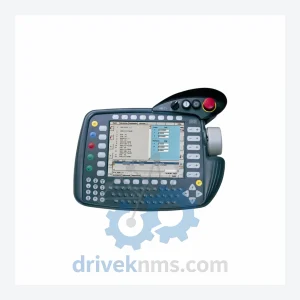
Kuka KCP2 VKCP2 is listed for KCP Series RFQ review. Confirm quantity, condition and destination before quotation.
Kuka KSD1-08 is listed for KSD Series RFQ review. Confirm quantity, condition and destination before quotation.