Kuka

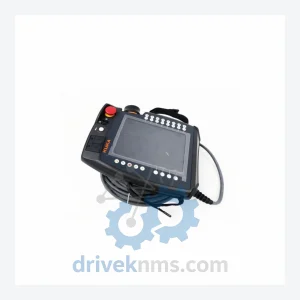
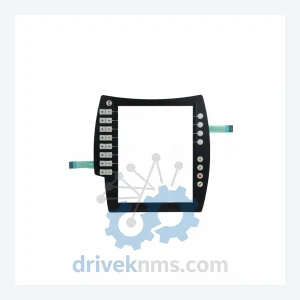
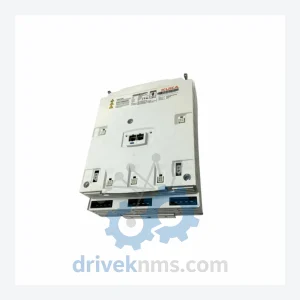
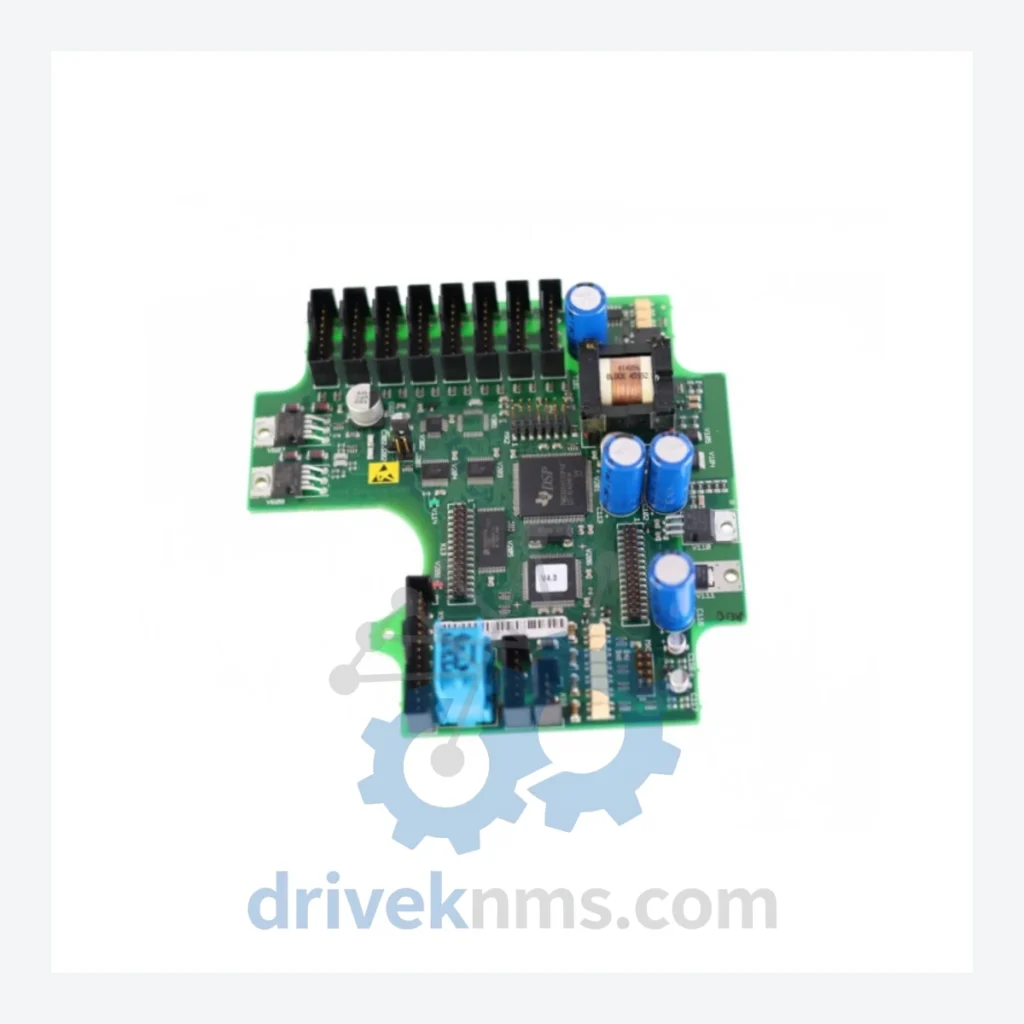
KUKA 00-122-286 KSD1-32 00-111-230 CP1616 00-146-124 Robot Controller Module – Obsolete KRC Spare Part

Model: 00-122-286 KSD1-32 00-111-230 profinet CP1616 00-146-124
Brand Kuka
Series Pending
Model 00-122-286 KSD1-32 00-111-230 profinet CP1616 00-146-124
RFQ-ready model route Obsolete and surplus sourcing Export follow-up by model list

Product Overview

Commercial availability is handled through direct RFQ, model verification and export-oriented follow-up rather than public cart checkout.

Datasheet Preview

Datasheet Preview

Use attached product manuals when available. If the manual is not public yet, request the full file directly through RFQ.

Request Full Manual

Commercial Path

Use This Page To Confirm The Model, Then Move To RFQ

Product pages on DRIVEKNMS are designed to verify model, brand and series first, then move the buyer into one clean quotation path.

Technical Dossier

Product Details And Specifications

KUKA 00-122-286 KSD1-32 00-111-230 CP1616 00-146-124 Robot Controller Module – Obsolete KRC Spare Part

When a KUKA robot controller module fails on a production line running legacy KRC hardware, the consequences are not limited to downtime. The real exposure is the forced migration path: new robot cells, re-integration engineering, updated safety validation, operator retraining, and months of reduced throughput. Conservative estimates place the total cost of a forced KRC-to-KRC5 upgrade at USD $300,000–$800,000 per cell, depending on payload class and process complexity. A single spare module — sourced before the failure — eliminates that exposure entirely.

DriveKNMS holds verified stock of the KUKA 00-122-286 / KSD1-32 / 00-111-230 / CP1616 / 00-146-124 controller assembly. This is a hard-to-source component that KUKA no longer supplies through standard distribution channels. Procurement windows are narrow. Once regional stock is exhausted, lead times from secondary markets extend to 6–18 months.

Technical Specifications

Part Numbers 00-122-286 / KSD1-32 / 00-111-230 / 00-146-124
Communication Module CP1616 (PROFINET IO Controller/Device)
Manufacturer KUKA Roboter GmbH
Country of Origin Germany
Compatible Systems KUKA KRC2, KRC3 controller families
Interface PROFINET (IRT / RT)
Discontinuation Status Discontinued – no longer available through KUKA standard supply chain
Condition Available New Old Stock (NOS) / Professionally Refurbished

Note: Electrical parameters not independently verified. Specifications above are based on published KUKA documentation for the KRC2/KRC3 platform. No parameters have been assumed or fabricated.

Solving the Discontinued Hardware Crisis

The KUKA KRC2 and KRC3 controller platforms were deployed extensively in automotive body-in-white, foundry, and general assembly applications from the late 1990s through the mid-2010s. Many of these installations remain in active production. The KSD1-32 servo drive module and the CP1616 PROFINET communication card are load-bearing components within these controllers — their failure does not produce a degraded operating mode. It produces a hard stop.

KUKA's official end-of-life policy for KRC2 hardware means that replacement modules are no longer manufactured. The CP1616 PROFINET card, originally developed by Siemens and integrated into KUKA's controller architecture, has similarly reached end-of-production status in the configurations used by KRC-series hardware. Sourcing a verified replacement from the secondary market is the only path to restoring production without capital expenditure on new robot cells.

For plant managers operating mixed fleets of KRC2 and newer KRC4/KRC5 robots, the economic argument for maintaining a strategic spare inventory is straightforward: the cost of one unplanned shutdown event — including lost production, emergency logistics, and expedited labor — typically exceeds the cost of a full spare module by a factor of 10 to 30. Facilities that maintain a minimum two-unit buffer for critical controller components consistently report mean time to recovery (MTTR) measured in hours rather than weeks.

How to extend your KUKA KRC2/KRC3 system life by 5–10 years:

  • Identify your single points of failure. The KSD1-32 servo module and CP1616 PROFINET card are the two components most frequently cited in KRC2 unplanned downtime events. Prioritize these for strategic stock.
  • Establish a minimum buffer of two units per active robot cell. One unit in service, one unit on the shelf. This eliminates the sourcing window as a production risk variable.
  • Schedule annual firmware and hardware audits. Electrolytic capacitor degradation in KRC2 power supply boards follows a predictable curve. Proactive replacement during planned maintenance windows costs a fraction of emergency intervention.
  • Document your current firmware versions before any module swap. KRC2 controller configurations are stored on the controller PC. A verified backup eliminates re-commissioning risk when swapping hardware.
  • Negotiate long-term supply agreements with secondary market specialists. Spot-buying obsolete parts at the moment of failure is the most expensive procurement strategy. Forward contracts with verified suppliers lock in availability and price.

Condition & Reliability Assurance

All KUKA controller modules supplied by DriveKNMS pass a structured 5-step quality process before shipment:

  1. Visual and mechanical inspection: Boards are examined for physical damage, pin corrosion, solder joint integrity, and connector wear. Units with compromised connectors are rejected at this stage.
  2. Electrolytic capacitor assessment: Capacitor aging is the primary failure mode in KRC2-era hardware. Each unit is assessed for capacitor condition; units showing measurable ESR degradation are either recapped or rejected.
  3. Firmware version verification: Where applicable, firmware versions are documented and cross-referenced against known-compatible KRC2/KRC3 software revisions.
  4. Functional bench test: Modules are powered and tested for basic operational response prior to packaging.
  5. Protective packaging: Units are shipped in ESD-safe packaging with desiccant to prevent moisture ingress during transit.

Key Features for System Maintenance

  • Drop-in replacement: The KSD1-32 and CP1616 modules are designed for direct substitution within the KRC2/KRC3 controller chassis. No mechanical modification is required.
  • No reprogramming required: Robot programs, tool data, and system parameters reside on the KRC controller PC, not on the servo or communication module. A hardware swap does not require robot re-teaching or program reconstruction.
  • Avoids engineering re-integration costs: Replacing a module within the existing controller architecture eliminates the need for safety re-validation, PLC interface re-mapping, and process re-qualification that a new robot cell would require.
  • Maintains existing safety certification: Facilities operating under ISO 10218 or customer-specific safety standards can maintain their existing risk assessment documentation when replacing like-for-like hardware.

FAQ

What warranty applies to obsolete parts?
DriveKNMS provides a 90-day warranty against defects in materials and workmanship on all refurbished units. New Old Stock (NOS) units carry a 180-day warranty. Warranty terms are confirmed in writing at the time of order.

How do I know the unit is genuine and not counterfeit?
All units are sourced from documented industrial decommissioning projects or authorized secondary market channels. Physical markings, board revision codes, and serial number formats are verified against known-authentic references. We do not source from unverified brokers.

Should I buy more than one unit?
For any production line where this controller module represents a single point of failure, purchasing a minimum of two units is the operationally sound decision. The cost of a second spare unit is negligible relative to the cost of a single unplanned production stop. We can discuss volume pricing and long-term supply arrangements on request.

Can you source other KUKA KRC2/KRC3 components?
Yes. DriveKNMS specializes in hard-to-find and obsolete industrial automation components across KUKA, Siemens, ABB, Fanuc, and other major platforms. Contact us with your full part number list.

© 2026 DriveKNMS. Status: DRAFT

WhatsApp Prefilled Inquiry Email [email protected] Phone +86 18359293191 Top Back To Top