
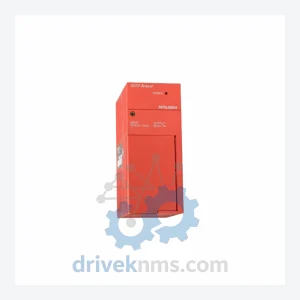
Mitsubishi A1S63P Power Supply Unit – Obsolete MELSEC-A Series Spare Part
Mitsubishi Electric A1S63P is listed for MELSEC-A RFQ review. Confirm quantity, condition and destination before quotation.
RFQ-ready industrial model
Model: D0AOM02
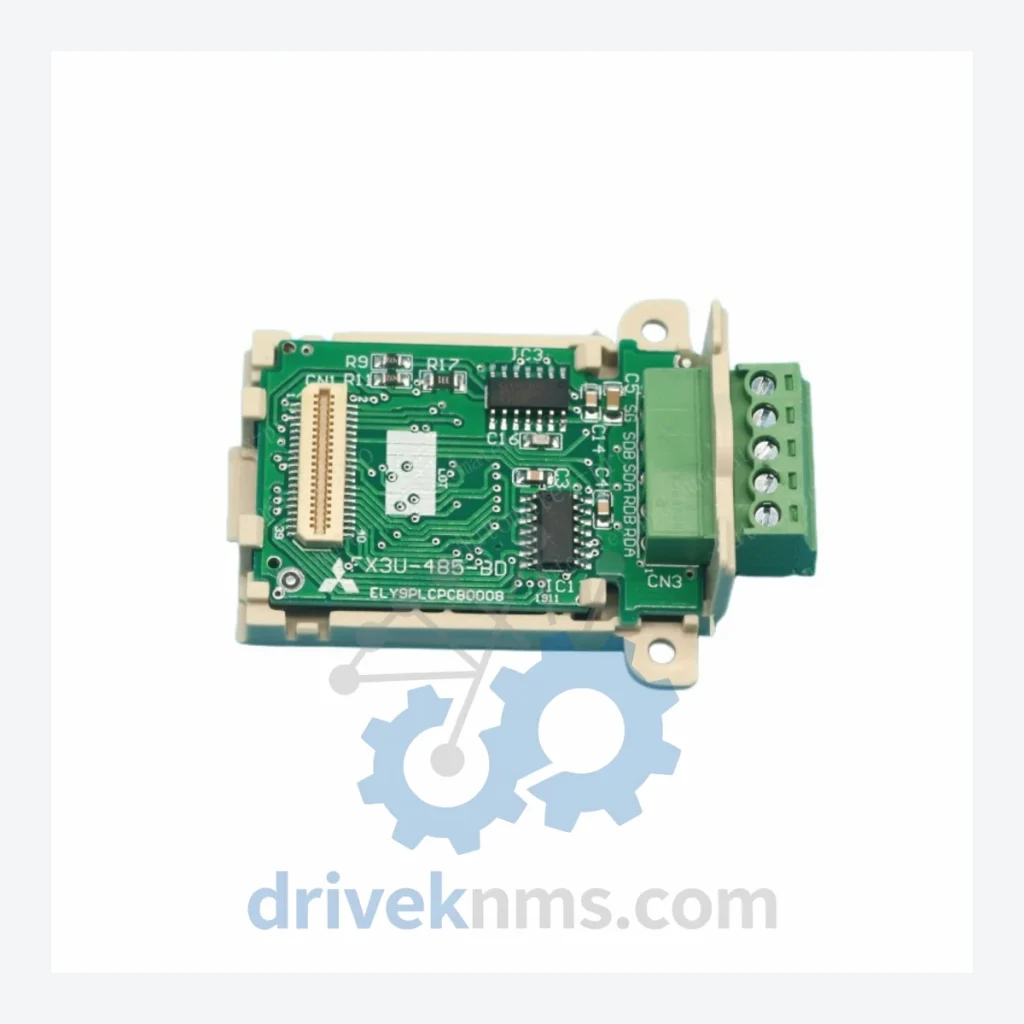
Product Overview
Commercial availability is handled through direct RFQ, model verification and export-oriented follow-up rather than public cart checkout.
Datasheet Preview
Use attached product manuals when available. If the manual is not public yet, request the full file directly through RFQ.
Commercial Path
Product pages on DRIVEKNMS are designed to verify model, brand and series first, then move the buyer into one clean quotation path.
Technical Dossier
RFQ support for obsolete parts: Send the model number, required quantity and destination so DriveKNMS can confirm sourcing options before quotation.
| Parameter | Detail |
|---|---|
| Part Number | D0AOM02 |
| Manufacturer | Mitsubishi Electric |
| Series | MELSEC-A (A Series) |
| Module Type | Analog Output Module |
| Country of Origin | Japan |
| Product Status | Discontinued / Obsolete |
| Compatible Systems | Mitsubishi MELSEC-A Series PLC (A2A, A3A, A2AS, A3N, A2N and related CPU bases) |
| Electrical Parameters | Please contact us for confirmed datasheet specifications prior to installation |
Note: Electrical parameters for obsolete modules directly affect equipment safety. We do not publish unverified specifications. Our technical team will provide confirmed datasheet data upon inquiry.
Mitsubishi's MELSEC-A series was a dominant platform in discrete and process manufacturing throughout the 1980s and 1990s. Many facilities built their automation infrastructure around A-series CPUs and I/O modules, and those systems — properly maintained — continue to perform reliably decades later. The D0AOM02 analog output module occupies a specific role in these architectures: it converts digital control signals from the PLC CPU into analog outputs that drive field devices such as control valves, variable frequency drives, and proportional actuators.
Mitsubishi has long since discontinued the MELSEC-A series and its associated modules. No new D0AOM02 units are manufactured. When one fails, the facility faces a binary choice: source a replacement from the secondary market, or commit to a system-wide migration to a current platform such as MELSEC-Q or iQ-R. The migration path is not inherently wrong — but it is expensive, time-consuming, and carries its own commissioning risk. For facilities where the existing A-series system is stable and the production process is well-understood, sourcing a verified D0AOM02 replacement is the operationally sound decision. It preserves validated process parameters, avoids re-engineering costs, and keeps the production asset generating revenue.
Facilities operating legacy Mitsubishi MELSEC-A systems are not in an unusual position. Across global manufacturing, a significant portion of installed PLC base is more than 20 years old. The following framework is used by maintenance engineers who have successfully extended the operational life of these systems without full migration:
1. Critical Spare Identification: Map every I/O module, power supply, and CPU card in the system. Identify which modules are single points of failure with no installed spare. The D0AOM02, if it drives a critical control loop, belongs on this list. Procure at least one verified replacement unit and store it in controlled conditions.
2. Preventive Inspection Cadence: Analog output modules in legacy systems are susceptible to electrolytic capacitor degradation over time. Establish an annual inspection cycle that includes visual inspection of PCB components, output signal verification against known references, and terminal block integrity checks.
3. Firmware and Configuration Documentation: Ensure that all PLC program files, I/O parameter settings, and module configuration data are backed up and stored off-system. For MELSEC-A systems, this means maintaining GX Developer or MEDOC project files in a secure, accessible location. Loss of configuration data during a hardware failure significantly extends recovery time.
4. Vendor Relationship for Obsolete Parts: Establish a relationship with a specialist supplier — not a general distributor — who maintains sourcing status of MELSEC-A components. General distributors rarely hold obsolete inventory. Specialist suppliers like DriveKNMS source, inspect, and hold RFQ-reviewed sourcing status of discontinued modules specifically for this scenario.
5. Planned Migration Budgeting: Even with a robust spare parts strategy, plan for eventual migration. Use the operational runway created by spare parts procurement to budget properly for a future migration on your schedule — not in response to an emergency. A 5–10 year extension of asset life, achieved through disciplined spare parts management, allows capital planning to proceed without crisis-driven cost overruns.
Sourcing obsolete modules from the secondary market carries inherent risk. DriveKNMS applies a structured 5-step quality process to every D0AOM02 unit before it is offered for sale:
Step 1 – Visual and Physical Inspection: Each unit is examined for physical damage, corrosion on connector pins and terminal blocks, PCB contamination, and evidence of prior repair or modification. Units showing signs of unauthorized rework are rejected.
Step 2 – Electrolytic Capacitor Assessment: Capacitor aging is the primary failure mode in legacy analog modules. We inspect for visible bulging, electrolyte leakage, and where applicable, perform capacitance measurement to identify degraded components before the unit reaches the customer.
Step 3 – Firmware Version Verification: Where the module contains programmable components, firmware version is documented and confirmed against known compatible versions for MELSEC-A system integration.
Step 4 – Functional Output Verification: Analog output channels are tested for signal accuracy and stability under load conditions consistent with typical field device requirements.
Step 5 – Packaging and Storage: Units that pass all inspection steps are packaged in anti-static materials and stored in a controlled environment. Each unit ships with inspection documentation.
The D0AOM02 is a direct drop-in replacement for failed units in any compatible MELSEC-A base configuration. No PLC program modifications are required. No re-engineering of the control loop is necessary. The replacement procedure follows standard Mitsubishi module swap protocol: power down, remove the failed module, seat the replacement, restore power, and verify output signals. This is a maintenance task, not an engineering project.
Q: How are RFQ terms confirmed?
A: Quantity, required condition, documentation needs, destination and sourcing route are confirmed during RFQ review before quotation.
Q: How do I know the unit is genuine and not a counterfeit?
A: All units sourced by DriveKNMS are inspected against known genuine Mitsubishi hardware references. We document part markings, PCB revision indicators, and component profiles. Customers may request inspection photos and documentation prior to purchase.
Q: Can you support multi-unit or repeat RFQ requests?
A: Yes. Send the model list, target quantity and destination so DRIVEKNMS can review sourcing options and quote the requirement as a project RFQ.
Continue The Model Path
Move from this exact model into the matching system hub, brand archive, model-family archive or lifecycle sourcing route before sending a final RFQ list.
Related Paths
Mitsubishi Electric A1S63P is listed for MELSEC-A RFQ review. Confirm quantity, condition and destination before quotation.
Mitsubishi Electric A8GT-PWTF is listed for MELSEC-A RFQ review. Confirm quantity, condition and destination before quotation.
Mitsubishi Electric A1S61PN is listed for MELSEC-A RFQ review. Confirm quantity, condition and destination before quotation.