
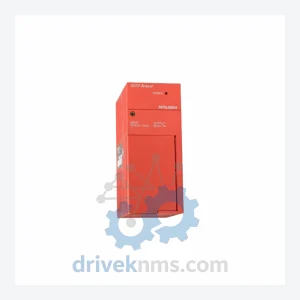
Mitsubishi A1S63P Power Supply Unit – Obsolete MELSEC-A Series Spare Part
Mitsubishi Electric A1S63P is listed for MELSEC-A RFQ review. Confirm quantity, condition and destination before quotation.
RFQ-ready industrial model
Model: A0J2-E28AR
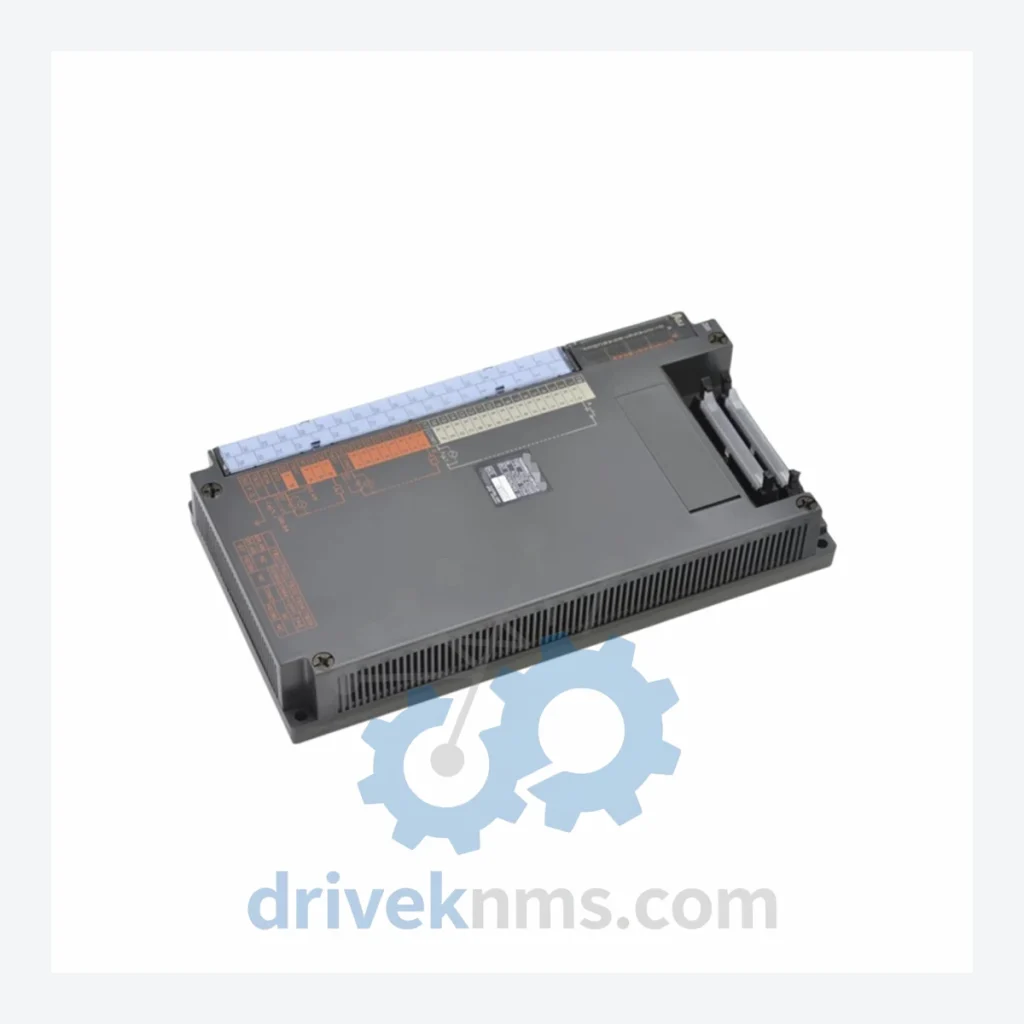
Product Overview
Commercial availability is handled through direct RFQ, model verification and export-oriented follow-up rather than public cart checkout.
Datasheet Preview
Use attached product manuals when available. If the manual is not public yet, request the full file directly through RFQ.
Commercial Path
Product pages on DRIVEKNMS are designed to verify model, brand and series first, then move the buyer into one clean quotation path.
Technical Dossier
The MELSEC-A Series was introduced by Mitsubishi Electric in the early 1980s as a successor to the MELSEC-K platform, establishing a modular, rack-based architecture that would define Japanese PLC design conventions for two decades. The A0J2 sub-series represented a compact derivative of the full-size MELSEC-A (AnS/AnN) line, sharing the same instruction set and ladder logic programming environment (GX Developer / MEDOC) while reducing panel footprint by approximately 40%.
Key architectural milestones: the original A0J2 CPU operated at a scan cycle of approximately 0.5–1.0 ms per 1K steps; subsequent revisions introduced extended memory cassettes (A0J2-RAM-E, A0J2-ROM-E) and RS-232C/RS-422 communication adapters. The series maintained backward compatibility with MELSEC-A programming tools through its entire production life. By the mid-2000s, Mitsubishi Electric formally transitioned customers toward the MELSEC-Q and MELSEC-iQ-R platforms. The A0J2 line reached end-of-production (EOP) status, placing all current procurement into the aftermarket and authorized spare-parts channels. Compatibility bridging to Q-Series is achievable via the A1SJ71QLP21/A1SJ71QBR11 network modules, though direct hardware substitution requires engineering review.
Minimum 15 verified SKUs. Classified by functional category. Each model represents a discrete hardware unit within the A0J2 platform.
CPU & Base Units
Output Composite Units (Relay & Transistor)
Input Composite Units
Communication & Network Adapters
Memory & Option Cassettes
Power Supply Units
The A0J2 series has been in end-of-production status for over a decade. Mitsubishi Electric's official repair and replacement service for this platform has progressively wound down, leaving operators of legacy installations dependent on the secondary market for corrective and preventive maintenance. DriveKNMS maintains a dedicated inventory of A0J2 platform components — including the A0J2-E28AR and related composite units — sourced through authorized dismantlement of decommissioned systems and certified refurbishment pipelines.
The A0J2 platform's composite unit architecture — where CPU, I/O, and backplane bus logic are integrated into a single PCB assembly — requires a test protocol that validates both discrete I/O channel integrity and internal bus communication simultaneously. DriveKNMS applies the following verification procedure to all A0J2 units, including the A0J2-E28AR:
Continue The Model Path
Move from this exact model into the matching system hub, brand archive, model-family archive or lifecycle sourcing route before sending a final RFQ list.
Related Paths
Mitsubishi Electric A1S63P is listed for MELSEC-A RFQ review. Confirm quantity, condition and destination before quotation.
Mitsubishi Electric A8GT-PWTF is listed for MELSEC-A RFQ review. Confirm quantity, condition and destination before quotation.
Mitsubishi Electric A1S61PN is listed for MELSEC-A RFQ review. Confirm quantity, condition and destination before quotation.