Mitsubishi Electric MELSEC-Q

Mitsubishi MELSEC-Q Series Modules: R700CPU

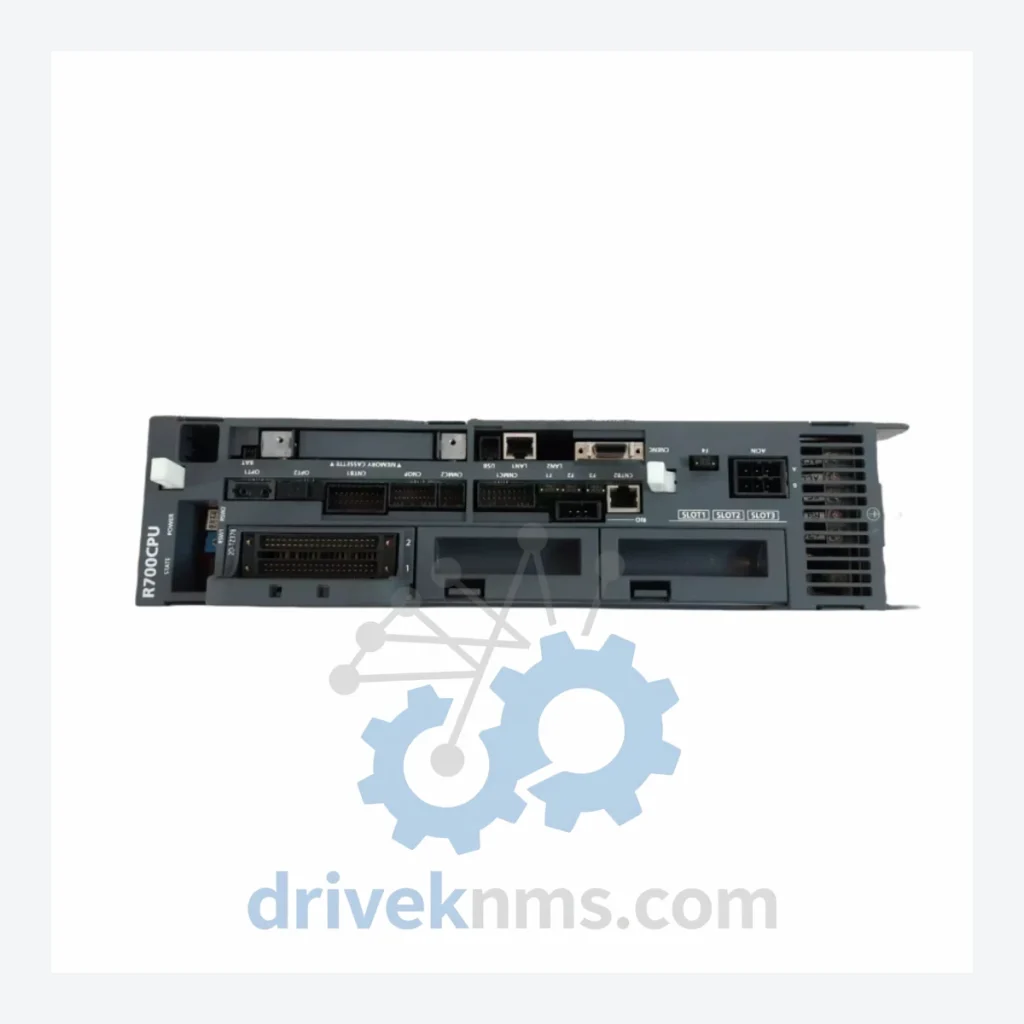
Model: R700CPU

Brand Mitsubishi Electric
Series MELSEC-Q
Model R700CPU
RFQ-ready model route Obsolete and surplus sourcing Export follow-up by model list

Product Overview

Commercial availability is handled through direct RFQ, model verification and export-oriented follow-up rather than public cart checkout.

Datasheet Preview

Datasheet Preview

Use attached product manuals when available. If the manual is not public yet, request the full file directly through RFQ.

Request Full Manual

Commercial Path

Use This Page To Confirm The Model, Then Move To RFQ

Product pages on DRIVEKNMS are designed to verify model, brand and series first, then move the buyer into one clean quotation path.

Technical Dossier

Product Details And Specifications

Mitsubishi MELSEC-Q Series: Comprehensive Module Range and Technical Overview

The Mitsubishi MELSEC-Q series is a high-performance programmable logic controller (PLC) platform deployed across global heavy industry sectors including petrochemical refineries, nuclear power auxiliary systems, steel manufacturing, and large-scale water treatment facilities. The Q series succeeded the MELSEC-A and MELSEC-QnA platforms and established itself as the dominant mid-to-high-end DCS/PLC architecture in Asia-Pacific and European process industries. Its modular backplane architecture supports multi-CPU configurations, redundant power supplies, and high-speed inter-module communication via the Q bus, making it a standard reference platform for long-lifecycle industrial installations. The R700CPU is a representative CPU module within this ecosystem, designed for high-capacity sequence control with extended program memory and fast scan cycle performance.

The Evolution of MELSEC-Q Architecture

The MELSEC-Q platform was introduced in the late 1990s as a direct successor to the QnA series, which itself replaced the original MELSEC-A series from the 1980s. The Q series introduced a standardized 5-slot to 12-slot base unit design with a unified Q bus backplane, enabling hot-swap capability on select modules and dramatically reducing system downtime during maintenance windows.

Early Q series CPU modules (Q02, Q06H) offered program capacities of 8K to 60K steps. Mid-generation releases (Q13H, Q25H, Q26H) extended this to 260K steps with built-in Ethernet ports and enhanced floating-point processing. The Universal model CPU line (Q03UD, Q04UD, Q06UD, Q13UD, Q26UD) introduced SD memory card support, USB programming interfaces, and backward compatibility with legacy QnA ladder programs via conversion utilities. The R700CPU belongs to the high-end segment of this architecture, targeting applications requiring large I/O point counts and multi-network integration.

As of 2024, Mitsubishi Electric has officially transitioned its primary development focus to the MELSEC iQ-R platform. The MELSEC-Q series has entered its end-of-life support phase, with production of select modules discontinued. This makes sourcing of genuine spare parts — particularly CPU modules, power supply units, and specialty I/O cards — a critical operational concern for facilities running Q-series-based control systems.

MELSEC-Q Full Catalog & Functionalities (SKU List)

CPU Modules

  • Q02CPU: Basic CPU, 8K step program memory, standard sequence control.
  • Q06HCPU: High-performance CPU, 60K steps, built-in Ethernet port.
  • Q13HCPU: High-performance CPU, 130K steps, multi-CPU synchronization support.
  • Q25HCPU: High-performance CPU, 252K steps, large-scale process control.
  • Q26HCPU: High-performance CPU, 260K steps, redundant system compatible.
  • Q03UDCPU: Universal model CPU, 30K steps, USB + Ethernet, SD card slot.
  • Q04UDCPU: Universal model CPU, 40K steps, enhanced instruction set.
  • Q06UDCPU: Universal model CPU, 60K steps, high-speed scan cycle.
  • Q13UDCPU: Universal model CPU, 130K steps, multi-network compatible.
  • Q26UDCPU: Universal model CPU, 260K steps, maximum capacity standard build.
  • R700CPU: High-capacity CPU module, extended program memory, multi-CPU configuration support, Q bus high-speed communication.

Digital Input (DI) Modules

  • QX40: 16-point DC input module, 24VDC, sink/source compatible.
  • QX80: 32-point DC input module, 24VDC, high-density I/O.
  • QX41: 16-point DC input, isolated commons, noise-resistant design.

Digital Output (DO) Modules

  • QY10: 16-point relay output module, 2A per point, AC/DC load compatible.
  • QY40P: 16-point transistor output, 0.5A per point, sink type.
  • QY80: 32-point transistor output, high-density, 24VDC.

Analog I/O Modules

  • Q64AD: 4-channel analog input, 16-bit resolution, voltage/current selectable.
  • Q68ADV: 8-channel analog voltage input, high-precision process measurement.
  • Q62DA: 2-channel analog output, 16-bit DAC, voltage/current output.

Communication & Network Modules

  • QJ71E71-100: Ethernet interface module, 100BASE-TX, MELSOFT/SLMP protocol.
  • QJ71BR11: CC-Link master/local module, Ver.1/2 compatible, up to 64 stations.
  • QJ71LP21-25: MELSECNET/H optical loop module, high-speed inter-PLC network.

Power Supply Modules

  • Q61P: 100–240VAC input power supply, 6A output, standard base unit.
  • Q62P: 100–240VAC input, 6A, extended base compatible.
  • Q64P: 100–240VAC input, 8.5A, high-current demand systems.

Sourcing Hard-to-Find & Obsolete MELSEC-Q Parts

DriveKNMS maintains a dedicated inventory program for MELSEC-Q series modules that have been discontinued or placed on restricted allocation by Mitsubishi Electric. As the Q series transitions into its end-of-support lifecycle, facilities operating refineries, power generation auxiliaries, and continuous-process chemical plants face increasing lead times and supply chain risk for replacement modules.

Quality Control for the MELSEC-Q Range

MELSEC-Q modules — particularly CPU units and backplane communication modules — require specialized test procedures due to their Q bus architecture and multi-CPU synchronization logic. DriveKNMS applies the following verification protocol to all Q-series units:

  • Backplane bus integrity test: Each module is seated in a reference Q-series base unit and subjected to full Q bus communication verification using GX Works2/GX Developer diagnostic tools.
  • CPU program memory verification: Flash memory read/write cycles are tested to confirm data retention and program upload/download integrity.
  • I/O point functional test: All digital and analog I/O modules are tested point-by-point under rated load conditions.
  • Network module communication test: CC-Link, MELSECNET/H, and Ethernet modules are verified for packet transmission, station recognition, and error recovery behavior.
  • Power supply load test: Output voltage stability is measured under 25%, 50%, 75%, and 100% rated load with ripple voltage recorded.
  • Thermal cycling: Units are cycled between 0°C and 55°C operating range to verify thermal stability of solder joints and connector contacts.
WhatsApp Prefilled Inquiry Email [email protected] Phone +86 18359293191 Top Back To Top