
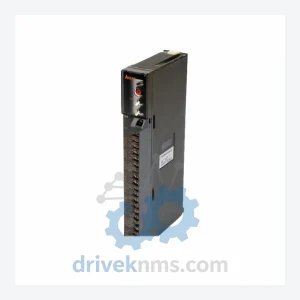
Mitsubishi A68AD Analog Input Module – Obsolete MELSEC Spare Part
Mitsubishi Electric A68AD is listed for MELSEC RFQ review. Confirm quantity, condition and destination before quotation.
RFQ-ready industrial model
Model: QX524 BN634A636G51
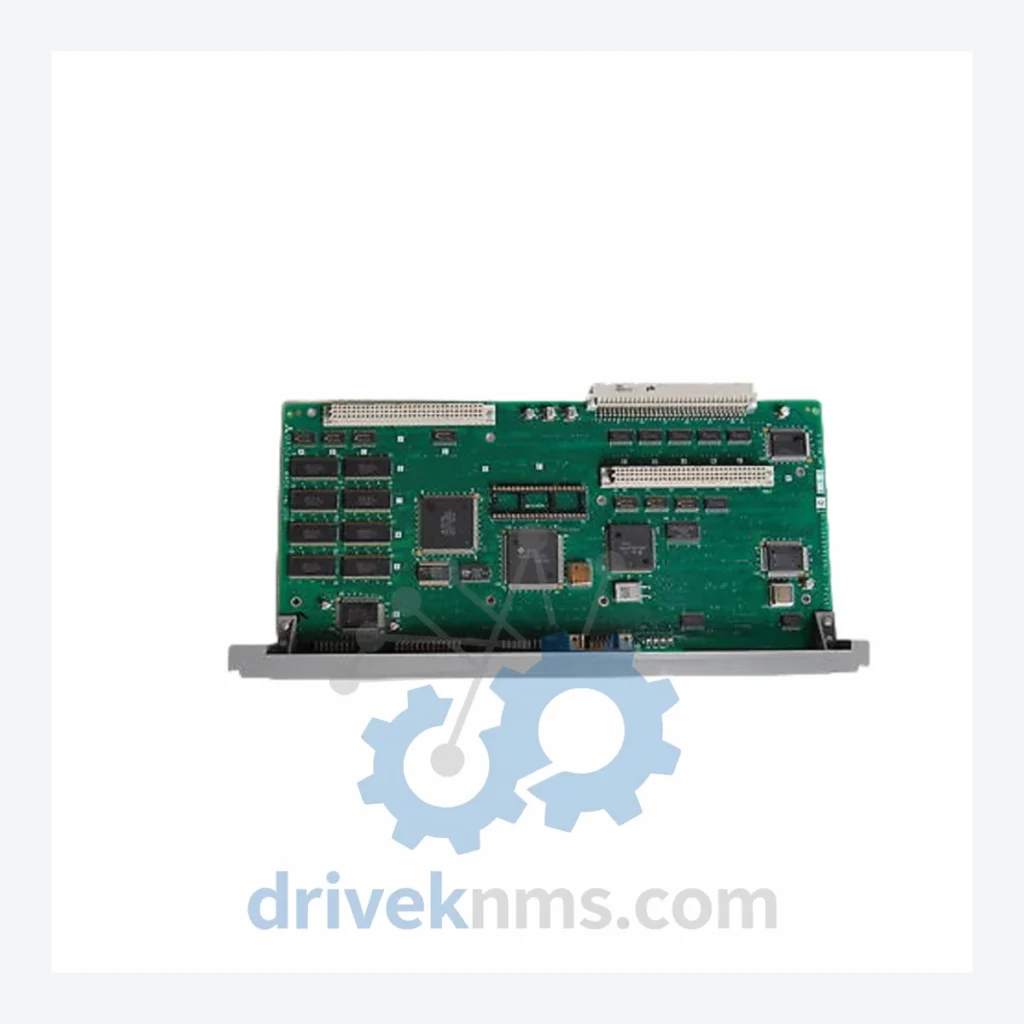
Product Overview
Commercial availability is handled through direct RFQ, model verification and export-oriented follow-up rather than public cart checkout.
Datasheet Preview
Use attached product manuals when available. If the manual is not public yet, request the full file directly through RFQ.
Commercial Path
Product pages on DRIVEKNMS are designed to verify model, brand and series first, then move the buyer into one clean quotation path.
Technical Dossier
RFQ support for obsolete parts: Send the model number, required quantity and destination so DriveKNMS can confirm sourcing options before quotation.
| Parameter | Detail |
|---|---|
| Part Number | QX524 / BN634A636G51 |
| Manufacturer | Mitsubishi Electric |
| Series | MELSEC (Legacy) |
| Module Category | Digital Input Module |
| Country of Origin | Japan |
| Lifecycle Status | Discontinued / Obsolete |
| Compatibility | Mitsubishi MELSEC legacy PLC base units (verify against your system configuration before ordering) |
Note: Electrical parameters such as input voltage range, channel count, and response time are not published here to avoid inaccuracy. Please contact us with your system documentation for a verified compatibility check before purchase.
The MELSEC platform served as the backbone of discrete manufacturing automation across automotive, food processing, and heavy industry for decades. Many of these installations remain mechanically sound and operationally effective — the control hardware is the only limiting factor. When Mitsubishi Electric discontinued modules in this series, it created a structural vulnerability: a single failed I/O card can idle an entire production cell.
The QX524 BN634A636G51 is not a commodity item. It does not appear in standard distributor catalogs. Sourcing it requires access to specialist channels, and the window to acquire verified units narrows each year as existing stocks are consumed. Procurement decisions made today directly determine whether this system can be maintained on its current timeline or must be retired ahead of schedule.
DriveKNMS applies a structured 5-step inspection protocol to all obsolete modules before they are offered for sale. This process is designed around the specific failure modes that affect hardware of this age and design generation:
How do I know the unit is genuine and not counterfeit?
All units sourced by DriveKNMS are inspected for authenticity markers including label integrity, PCB markings, and component date codes consistent with the original production period. We do not sell units that fail this screening.
Should I buy more than one unit?
For any module classified as obsolete, the answer is yes. The cost of a second unit is predictable. The cost of a production stoppage while sourcing a replacement on an emergency basis is not. For systems expected to remain in service for more than three years, a minimum reserve of two modules per critical slot is a standard risk management position.
Can you source other MELSEC legacy modules?
Yes. DriveKNMS specializes in hard-to-find Mitsubishi MELSEC components. Contact us with your full BOM or part numbers for availability.
Continue The Model Path
Move from this exact model into the matching system hub, brand archive, model-family archive or lifecycle sourcing route before sending a final RFQ list.
Related Paths
Mitsubishi Electric A68AD is listed for MELSEC RFQ review. Confirm quantity, condition and destination before quotation.
Mitsubishi Electric MY41 is listed for MELSEC RFQ review. Confirm quantity, condition and destination before quotation.
Mitsubishi Electric AY41 is listed for MELSEC RFQ review. Confirm quantity, condition and destination before quotation.