
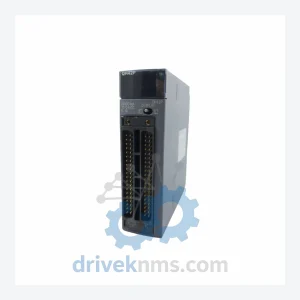
Mitsubishi QX48Y57 BD627B662G51 Combination Unit – PLC Module
Mitsubishi Electric QX48Y57 BD627B662G51 is listed for Servo Drives RFQ review. Confirm quantity, condition and destination before quotation.
RFQ-ready industrial model
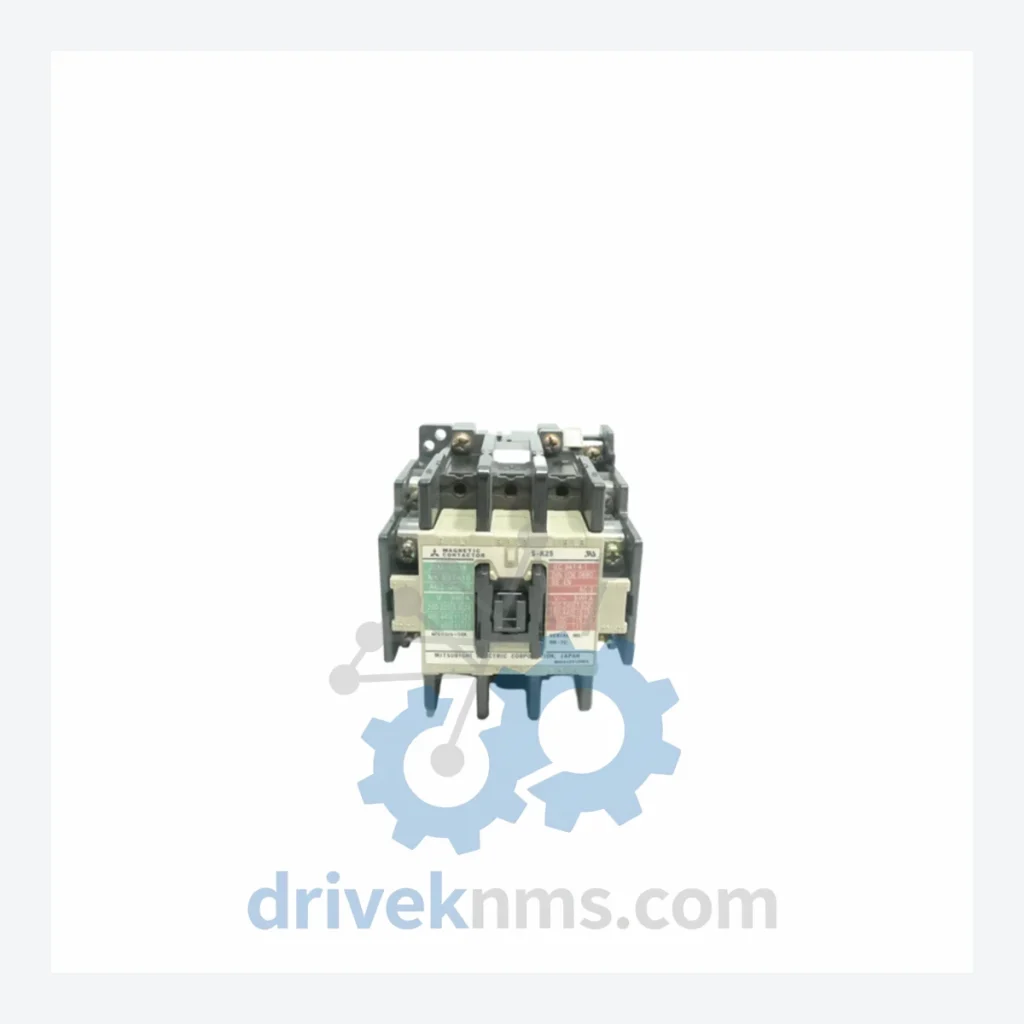
Model: S-K25
Product Overview
Commercial availability is handled through direct RFQ, model verification and export-oriented follow-up rather than public cart checkout.
Datasheet Preview
Use attached product manuals when available. If the manual is not public yet, request the full file directly through RFQ.
Commercial Path
Product pages on DRIVEKNMS are designed to verify model, brand and series first, then move the buyer into one clean quotation path.
Technical Dossier
RFQ support for obsolete parts: Send the model number, required quantity and destination so DriveKNMS can confirm sourcing options before quotation.
| Parameter | Detail |
|---|---|
| Manufacturer | Mitsubishi Electric |
| Part Number | S-K25 |
| Series | MSO / S-K Series |
| Type | Electromagnetic AC Contactor |
| Rated Current | 25 A |
| Rated Voltage (Coil) | AC 200V / 220V / 380V / 440V (coil voltage varies by suffix) |
| Poles | 3-pole main contacts |
| Auxiliary Contacts | 1NO + 1NC (standard configuration) |
| Mounting | DIN rail / screw mount |
| Country of Origin | Japan |
| Production Status | Discontinued – No longer manufactured by Mitsubishi Electric |
| Typical Legacy Systems | Mitsubishi MELSERVO, MELSEC A-series PLCs, legacy machine tool panels, motor control centers built prior to 2005 |
Note: Electrical parameters listed are based on published Mitsubishi MSO/S-K series documentation. Coil voltage must be confirmed against your specific panel wiring before ordering. DriveKNMS does not fabricate specifications.
The S-K25 was a standard switching element across a wide range of Japanese-manufactured industrial equipment — CNC machine tools, conveyor drive panels, HVAC motor control centers, and process automation cabinets. Many of these installations remain in active production service today, not because replacement was overlooked, but because the surrounding system — the PLC logic, the field wiring, the operator interface — was engineered around this exact component footprint.
Mitsubishi Electric discontinued the S-K series contactor line as part of a broader product consolidation. The current replacement recommendation from Mitsubishi points to the SK series successors, but direct drop-in compatibility is not guaranteed across all legacy panel configurations. For facilities running Mitsubishi MELSEC A-series or FX-series controlled systems where the motor control wiring was designed to the S-K25's specific terminal layout and coil characteristics, substituting a non-identical part introduces re-engineering risk that most maintenance teams are not resourced to absorb mid-production.
For plant managers facing pressure to justify continued operation of aging automation assets, the financial case is direct: the annualized cost of maintaining a verified spare parts inventory for a legacy control system is a fraction of the depreciated replacement value of the production equipment it protects. Extending asset life by five to ten years through disciplined spare parts management is not a workaround — it is a recognized maintenance strategy in ISO 55000-aligned asset management frameworks.
Every S-K25 unit shipped by DriveKNMS passes a structured 5-step inspection protocol before dispatch. This process was developed specifically for discontinued electromechanical components where age-related degradation is the primary failure risk:
Q: How are RFQ terms confirmed?
A: Quantity, required condition, documentation needs, destination and sourcing route are confirmed during RFQ review before quotation.
Q: How do I know the unit is genuine Mitsubishi and not a counterfeit?
A: All units are sourced through verified industrial surplus channels. Physical markings, housing construction, and coil characteristics are cross-referenced against original Mitsubishi documentation. We do not source from unverified secondary markets. If you require additional authentication documentation, contact us before ordering.
Continue The Model Path
Move from this exact model into the matching system hub, brand archive, model-family archive or lifecycle sourcing route before sending a final RFQ list.
Related Paths
Mitsubishi Electric QX48Y57 BD627B662G51 is listed for Servo Drives RFQ review. Confirm quantity, condition and destination before quotation.
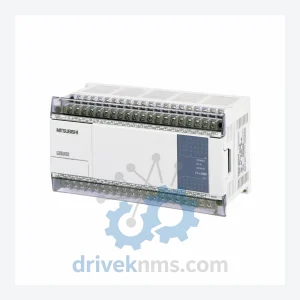
Mitsubishi Electric FX1N-40MC is listed for FX1N Series RFQ review. Confirm quantity, condition and destination before quotation.
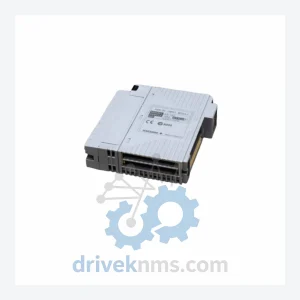
Mitsubishi Electric F2-32RM JY331A401D is listed for Servo Drives RFQ review. Confirm quantity, condition and destination before quotation.