
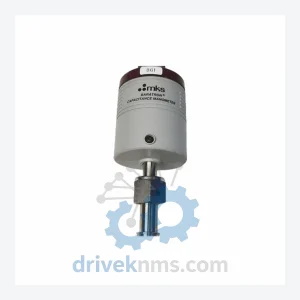
MKS Instruments 622 Baratron Pressure Transducers 622A12TAE
MKS Instruments 622A12TAE is listed for Monitoring Systems RFQ review. Confirm quantity, condition and destination before quotation.
RFQ-ready industrial model
Model: 722B11TCD2FA DUPLICATOR RAS16 DIAPHRAGM PUMP A 10 TTT
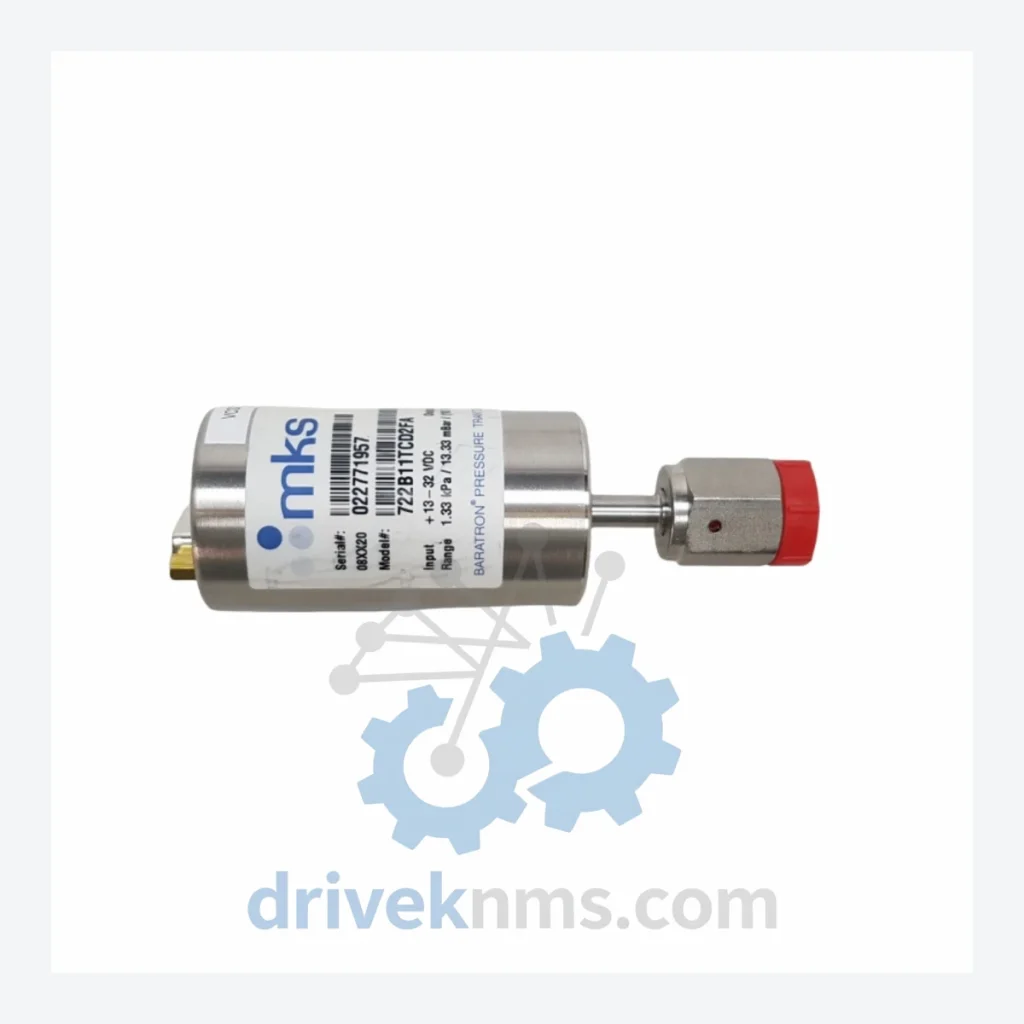
Product Overview
Commercial availability is handled through direct RFQ, model verification and export-oriented follow-up rather than public cart checkout.
Datasheet Preview
Use attached product manuals when available. If the manual is not public yet, request the full file directly through RFQ.
Commercial Path
Product pages on DRIVEKNMS are designed to verify model, brand and series first, then move the buyer into one clean quotation path.
Technical Dossier
RFQ support for obsolete parts: Send the model number, required quantity and destination so DriveKNMS can confirm sourcing options before quotation.
| Parameter | Detail |
|---|---|
| Manufacturer | MKS Instruments |
| Part Number | 722B11TCD2FA |
| Series | Baratron 722B |
| Instrument Type | Capacitance Manometer Pressure Transducer |
| Measurement Principle | Capacitance diaphragm gauge (CDG) |
| Product Status | Discontinued / Obsolete – No longer manufactured by MKS Instruments |
| Typical System Compatibility | Semiconductor process tools, vacuum furnaces, CVD/PVD chambers, industrial gas handling systems using MKS 247, 651, or 252 flow/pressure controllers |
| Country of Origin | United States |
Note: Electrical parameters (full-scale range, output signal, power supply requirements) are encoded in the part number suffix. Confirm your exact suffix against your tool's BOM before ordering. DriveKNMS does not publish unverified specifications.
MKS Instruments' Baratron 722B series was a cornerstone measurement component across a generation of semiconductor capital equipment manufactured through the 1990s and 2000s. Tools built on Applied Materials, Lam Research, Novellus, and similar platforms frequently integrated 722B-series transducers as the primary process pressure reference. When MKS discontinued this series, it created a structural supply gap that OEM channels cannot fill.
The 722B11TCD2FA is not a commodity sensor. Its capacitance diaphragm measurement principle delivers the temperature-compensated, gas-independent pressure readings that process recipes depend on for repeatable yield. Substituting a different transducer family — even a current-generation MKS product — requires recalibration of pressure setpoints, controller tuning, and in many cases, formal process change notifications under ISO or customer qualification requirements. For a mature process node running on fully depreciated equipment, that engineering burden is prohibitive.
1. Criticality mapping. Identify every 722B-series transducer position in each tool. Rank by process impact: a transducer on a main process chamber is higher criticality than one on a load-lock or foreline. Prioritize spare coverage accordingly.
4. Firmware and calibration records. Maintain a log of the calibration date and gas correction factors for each installed unit. When a replacement is installed, transfer these records to avoid process drift.
5. Supplier qualification. Source obsolete instrumentation only from distributors who can provide traceability documentation and who perform incoming inspection. A transducer with degraded diaphragm integrity or corroded signal conditioning circuitry will produce measurement errors that are difficult to distinguish from process drift — a risk that is eliminated by working with a qualified supplier.
This approach consistently delivers 5 to 10 additional years of productive asset life at a fraction of the capital cost of tool replacement or platform migration.
Every 722B11TCD2FA unit processed by DriveKNMS undergoes a structured 5-step incoming inspection protocol before it is offered for sale:
Step 1 – Electrolytic capacitor assessment. Age-related capacitor degradation is the primary failure mode in legacy instrumentation electronics. Each unit is inspected for ESR drift and physical signs of electrolyte migration before proceeding.
Step 2 – Firmware version verification. Where applicable, the embedded firmware revision is confirmed and documented. Units with unknown or mismatched firmware versions are flagged and handled separately.
Step 3 – Pin and connector inspection. All electrical connectors and signal pins are examined under magnification for oxidation, corrosion, and mechanical deformation. Affected contacts are cleaned or the unit is quarantined.
Step 5 – Functional verification and documentation. Each unit is powered and its output signal is verified against known reference conditions. Results are logged and accompany the unit on shipment.
The 722B11TCD2FA is a direct drop-in replacement for the same part number position in any tool where it was originally specified. No controller reprogramming is required. No process recipe modification is necessary. The unit installs into the existing mechanical and electrical interface and resumes measurement within the original calibration envelope.
This matters operationally because it eliminates the engineering change order process that would be triggered by any non-identical substitution. For facilities operating under customer qualification agreements or regulatory process control requirements, a like-for-like replacement with documented traceability is the only path that avoids a formal requalification event. The cost avoidance associated with bypassing that process — in engineering time, production hold, and customer notification — is substantial.
Should I buy more than one unit?
For any tool with a planned service life exceeding three years, holding at least one additional unit as a cold spare is strongly recommended. The 722B11TCD2FA is no longer manufactured, and secondary market availability will continue to tighten. Procurement cost today is predictably lower than procurement cost under emergency conditions in 18 months.
Continue The Model Path
Move from this exact model into the matching system hub, brand archive, model-family archive or lifecycle sourcing route before sending a final RFQ list.
Related Paths
MKS Instruments 622A12TAE is listed for Monitoring Systems RFQ review. Confirm quantity, condition and destination before quotation.
MKS Instruments 627BX01MDC4B is listed for Baratron RFQ review. Confirm quantity, condition and destination before quotation.
MKS Instruments 626A01TDE is listed for Baratron Series RFQ review. Confirm quantity, condition and destination before quotation.