
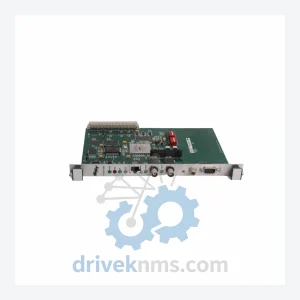
Molex 5136-CN-VME VMEbus Interface Module – Obsolete Industrial Spare Part
Molex 5136-CN-VME is listed for Communication Modules RFQ review. Confirm quantity, condition and destination before quotation.
RFQ-ready industrial model
Model: PCIE2000ETH APP-EPB-PCIE
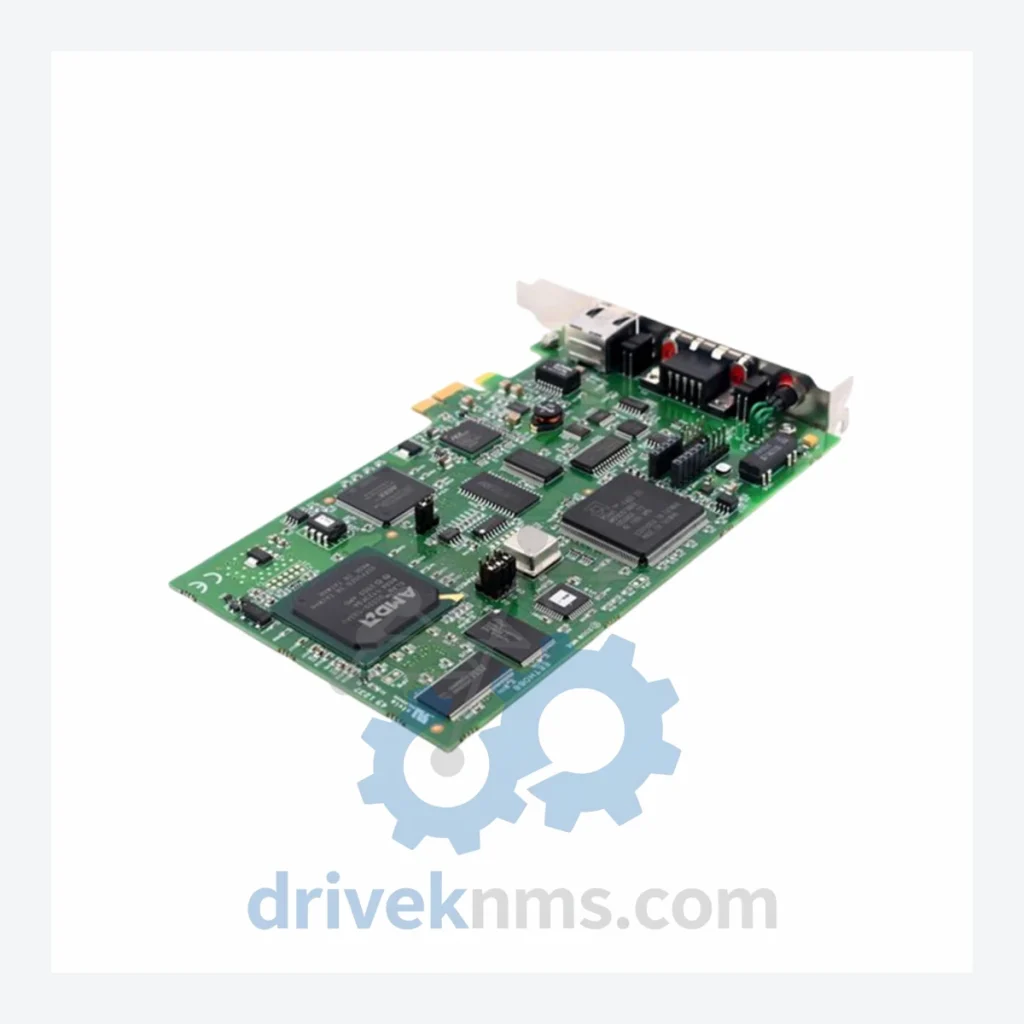
Product Overview
Commercial availability is handled through direct RFQ, model verification and export-oriented follow-up rather than public cart checkout.
Datasheet Preview
Use attached product manuals when available. If the manual is not public yet, request the full file directly through RFQ.
Commercial Path
Product pages on DRIVEKNMS are designed to verify model, brand and series first, then move the buyer into one clean quotation path.
Technical Dossier
RFQ support for obsolete parts: Send the model number, required quantity and destination so DriveKNMS can confirm sourcing options before quotation.
| Parameter | Detail |
|---|---|
| Manufacturer | Molex |
| Part Number | PCIE2000ETH / APP-EPB-PCIE |
| Product Category | Industrial PCIe Ethernet Adapter Card |
| Interface | PCI Express (PCIe) |
| Network Protocol | Ethernet |
| Country of Origin | United States |
| Discontinuation Status | Obsolete – No longer in production; replacement sourcing required |
| Typical System Compatibility | Industrial PC-based control workstations, legacy SCADA hardware platforms, embedded automation controllers utilizing PCIe expansion slots |
Note: Electrical parameters beyond the above are not published in available documentation. No parameters have been assumed or fabricated. Contact us for datasheet support.
The Molex PCIE2000ETH was designed for industrial-grade Ethernet connectivity in environments where standard commercial networking hardware cannot meet the reliability, temperature, or vibration tolerances required. It is commonly found in PC-based control workstations integrated with legacy distributed control systems and SCADA platforms — systems that were built to last 20 to 30 years and were never designed with a migration path in mind.
When Molex discontinued this card, the installed base did not disappear. Thousands of machines worldwide continue to depend on this exact hardware. The PCIe form factor, driver stack, and firmware version are often locked to the host system's operating environment. Substituting a generic commercial Ethernet card introduces driver incompatibility, interrupt conflicts, and in some cases, complete communication failure with field devices. There is no drop-in commercial replacement. The only viable path — short of a full system overhaul — is sourcing the original part.
How to extend your automation asset life by 5 to 10 years using critical spare parts:
These measures, applied consistently, allow facilities to defer capital expenditure on system replacement by five to ten years while maintaining full production reliability. The investment in spare parts is recoverable; the cost of an unplanned line stoppage is not.
Sourcing obsolete hardware from the secondary market carries inherent risk. DriveKNMS applies a structured 5-step quality assurance process to every unit before dispatch review:
Q: How do I know the unit is genuine and not counterfeit?
A: All units are sourced through verified industrial surplus channels. Physical markings, PCB revision codes, and component profiles are cross-referenced against known genuine units. We do not source from unverified brokers. A condition and authenticity report is provided with each shipment.
Q: What if my system requires a specific firmware version?
A: Provide your current system firmware version at the time of inquiry. We will confirm compatibility before dispatch review. If firmware matching is not possible, we will advise accordingly — we do not ship units with known compatibility conflicts.
Continue The Model Path
Move from this exact model into the matching system hub, brand archive, model-family archive or lifecycle sourcing route before sending a final RFQ list.
Related Paths
Molex 5136-CN-VME is listed for Communication Modules RFQ review. Confirm quantity, condition and destination before quotation.
Molex PCU-DPI is listed for Communication Modules RFQ review. Confirm quantity, condition and destination before quotation.
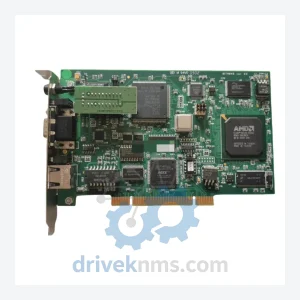
Molex PCU-DPIO is listed for Servo Drives RFQ review. Confirm quantity, condition and destination before quotation.