
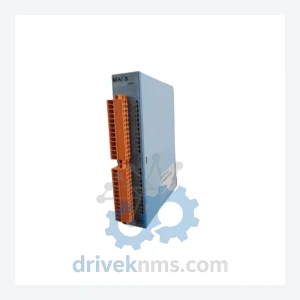
MOOG IMI220-411A001 Total Machine Controller – TMC400 Series
MOOG IMI220-411A001 is listed for TMC400 Series RFQ review. Confirm quantity, condition and destination before quotation.
RFQ-ready industrial model
Model: D136-002-005
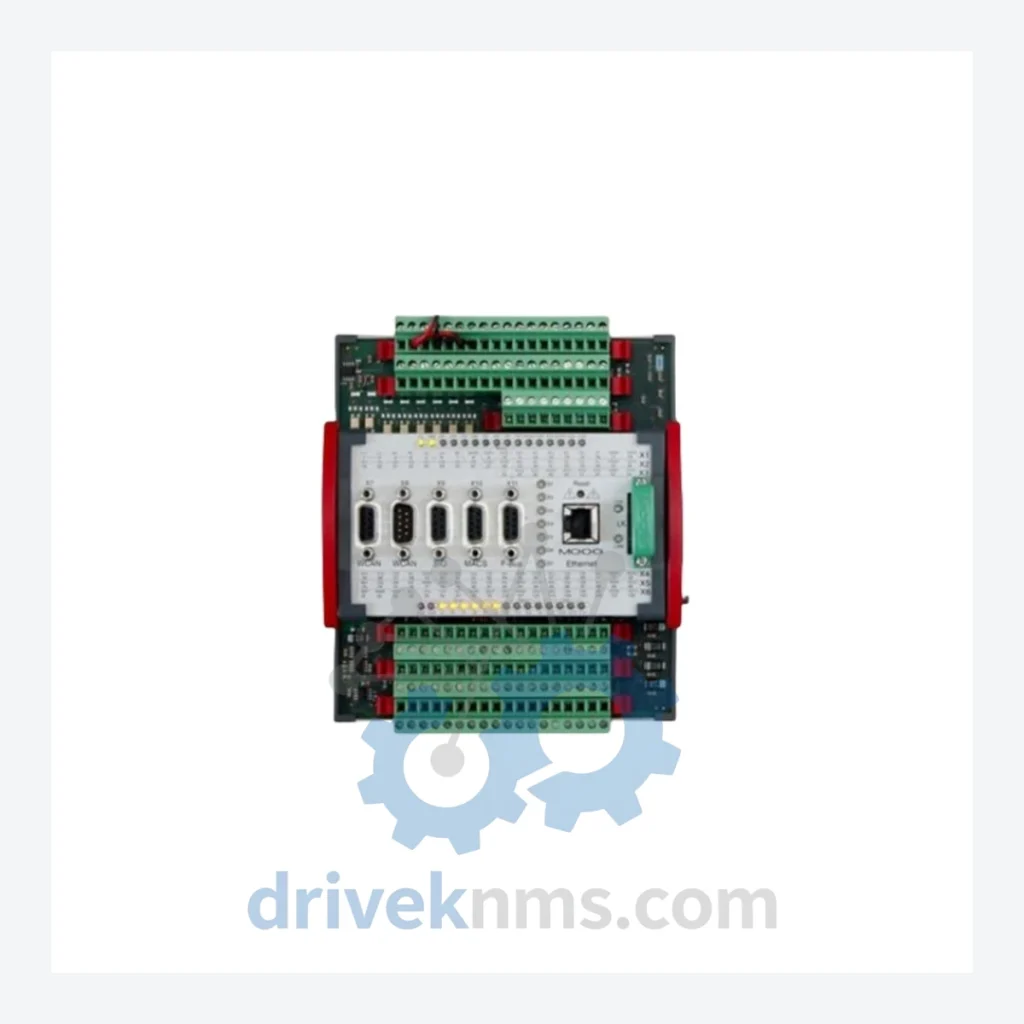
Product Overview
Commercial availability is handled through direct RFQ, model verification and export-oriented follow-up rather than public cart checkout.
Datasheet Preview
Use attached product manuals when available. If the manual is not public yet, request the full file directly through RFQ.
Commercial Path
Product pages on DRIVEKNMS are designed to verify model, brand and series first, then move the buyer into one clean quotation path.
Technical Dossier
The MOOG D136 Series represents a family of precision servo controllers and associated motion control modules engineered for deployment in high-demand industrial environments. These units are installed across global heavy industry sectors including petrochemical processing plants, nuclear power generation facilities, offshore oil and gas platforms, and continuous-process refineries. The D136 architecture is built around MOOG's closed-loop electrohydraulic and electromechanical servo control philosophy, providing deterministic response times and high-resolution position feedback critical to turbine governor systems, valve actuator control, and axis positioning in safety-instrumented systems (SIS). The series has accumulated significant installed base across OEM machine builders and end-user facilities operating under IEC 61511 and ISA-84 functional safety frameworks.
The D136 lineage traces its origins to MOOG's analog servo amplifier platforms of the 1980s, where discrete component boards handled command signal conditioning, LVDT feedback demodulation, and current-loop drive output. Early D136 variants operated on ±10 VDC analog command interfaces and were designed for integration with MOOG's own hydraulic servo valves, particularly the Series 30 and Series 72 proportional valve families.
Through the 1990s, the architecture transitioned to incorporate digital signal processing (DSP) cores, enabling onboard PID tuning, fault diagnostics, and serial communication via RS-232/RS-485. This generation introduced configurable gain scheduling and improved EMC compliance to EN 61000-4 standards. The mid-2000s saw the introduction of fieldbus-capable variants supporting PROFIBUS-DP and DeviceNet, allowing D136 modules to integrate directly into distributed control system (DCS) architectures from Emerson DeltaV, Honeywell Experion, and ABB 800xA without external signal converters.
Later revisions addressed obsolescence of key ASIC components by migrating to FPGA-based control cores, extending the serviceable life of the platform. As of 2026, the D136 series is in the mature-to-end-of-life phase. MOOG has transitioned new designs to the D136-500 and D137 successor platforms. However, the installed base of legacy D136 units in long-lifecycle facilities (nuclear, refinery) sustains active demand for original replacement modules and factory-refurbished units.
The following SKUs represent verified models within the MOOG D136 servo controller and associated module range, classified by functional category:
Servo Controllers / Amplifiers
Feedback & Signal Conditioning Modules
Communication & Fieldbus Adapters
Power Supply & Auxiliary Modules
The D136 servo controller platform incorporates multi-layer PCB assemblies with surface-mount DSP components, analog power stages, and high-density backplane connectors. Standard incoming inspection procedures at DriveKNMS include visual inspection per IPC-A-610 Class 2 criteria, capacitor ESR measurement on all electrolytic components, and power-stage MOSFET/IGBT gate drive verification.
Functional testing is performed on a dedicated MOOG-compatible servo test bench that replicates the electrical load profile of a standard MOOG Series 30 servo valve coil (nominal 33 Ω, 450 mA rated). Each D136 controller is exercised through a full command sweep (−10 VDC to +10 VDC), step response characterization, and fault injection testing (overcurrent, overvoltage, feedback loss). Communication modules are verified for protocol compliance using a PROFIBUS analyzer (for D136-020-001) or a CANopen master simulator (for D136-021-001). All test data is logged and retained for a minimum of 7 years.
Continue The Model Path
Move from this exact model into the matching system hub, brand archive, model-family archive or lifecycle sourcing route before sending a final RFQ list.
Related Paths
MOOG IMI220-411A001 is listed for TMC400 Series RFQ review. Confirm quantity, condition and destination before quotation.
MOOG IMI220-418A001 is listed for Servo Drives RFQ review. Confirm quantity, condition and destination before quotation.
MOOG IMI220-422A001 is listed for Servo Drives RFQ review. Confirm quantity, condition and destination before quotation.