
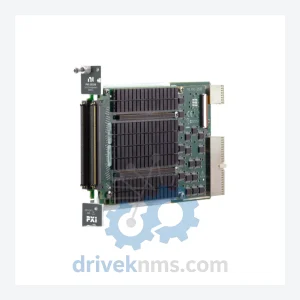
NI PXIe-2532B Switch Module – Obsolete PXI Series Spare Part
National Instruments PXIe-2532B is listed for Servo Drives RFQ review. Confirm quantity, condition and destination before quotation.
RFQ-ready industrial model
Model: PCIE-8361
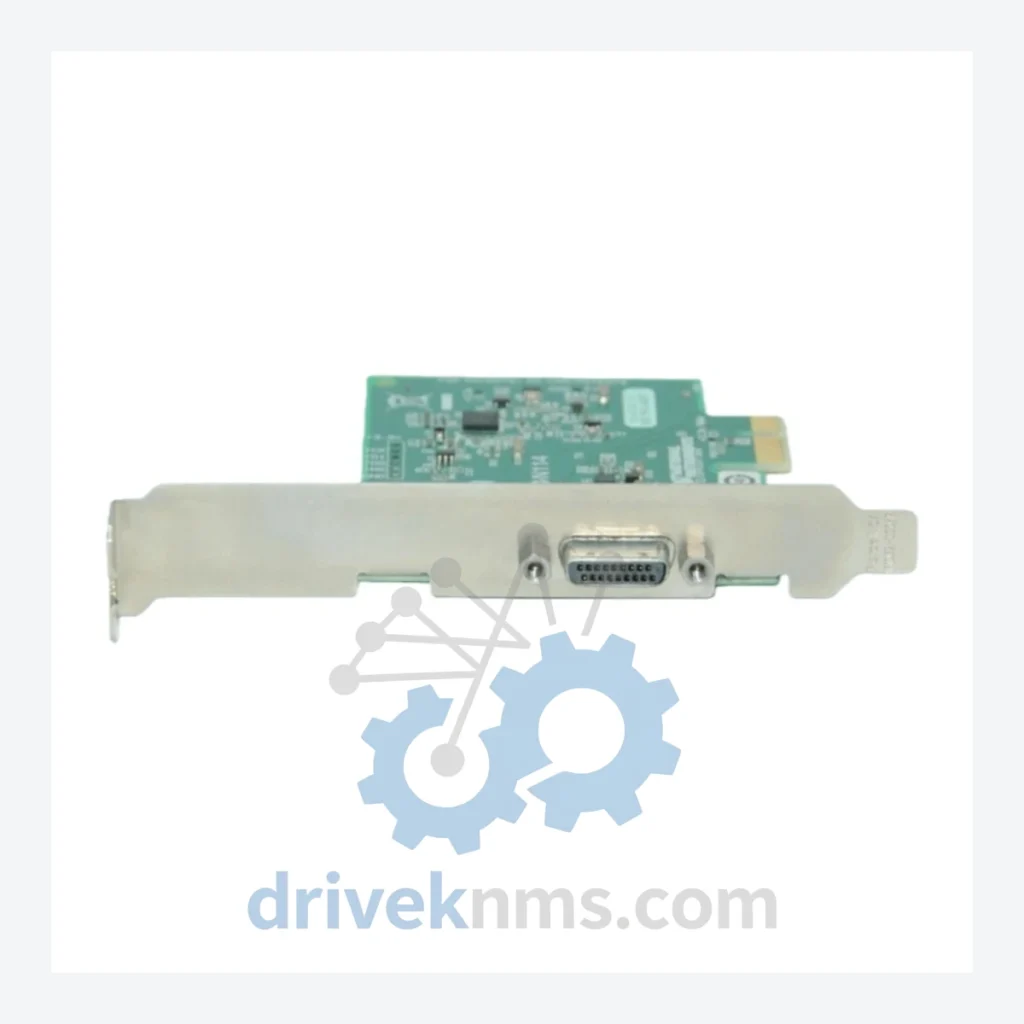
Product Overview
Commercial availability is handled through direct RFQ, model verification and export-oriented follow-up rather than public cart checkout.
Datasheet Preview
Use attached product manuals when available. If the manual is not public yet, request the full file directly through RFQ.
Commercial Path
Product pages on DRIVEKNMS are designed to verify model, brand and series first, then move the buyer into one clean quotation path.
Technical Dossier
The National Instruments MXI-Express (MXIe) interface series is the industry-standard solution for PC-based control of PXI and PXI Express chassis in high-demand industrial environments. Deployed across chemical processing plants, nuclear power facilities, petroleum refineries, semiconductor fabrication lines, and defense test systems, MXIe links host PCs to PXI chassis via PCI Express (PCIe) at bandwidths up to 3.2 GB/s — eliminating the throughput ceiling of legacy MXI-4 (GPIB/PCI) architectures. The series supports multi-chassis daisy-chaining, enabling distributed measurement and control topologies that span entire plant floors. Its deterministic latency and hardware-timed synchronization make it the preferred backbone for real-time data acquisition, high-channel-count I/O, and RF/microwave test in safety-critical installations.
National Instruments introduced the MXI (Multisystem eXtension Interface) bus in the early 1990s as a means to extend VXI backplane communication to remote host controllers. MXI-2 (1994) used coaxial cable at 33 MB/s; MXI-4 (2001) adopted PCI bus signaling at 132 MB/s over copper or fiber. The architectural inflection point arrived with MXI-Express (MXIe), introduced circa 2006, which replaced parallel PCI with serial PCIe Gen 1 x4 lanes, delivering 1 GB/s per direction and full compatibility with PXI Express (PXIe) chassis slots.
Subsequent generations expanded lane width and host interface options: x1 variants (PCIE-8360) for cost-sensitive deployments, x4 variants (PCIE-8361, PCIE-8362) for standard throughput, and x8 variants (PCIE-8374) for multi-chassis high-bandwidth applications. ExpressCard host adapters (EXPC-8360, EXPC-8361) extended MXIe to laptop and ruggedized mobile platforms. The series reached maturity by 2015; NI has since transitioned new designs toward PCIe Gen 3 and Thunderbolt-based chassis interfaces, placing the MXIe product line in a sustained-availability / long-term-support phase. Installed base in legacy PXI-1042, PXI-1045, PXIe-1062Q, and PXIe-1075 chassis remains extensive, driving continued demand for replacement and spare units.
Host Interface Cards (PCIe — Desktop/Server)
Host Interface Cards (ExpressCard — Laptop/Mobile)
Chassis Interface Modules (PXI/PXIe Chassis-Side)
Cable Accessories (Integral to MXIe System)
NI has transitioned several MXIe SKUs to a discontinued or last-time-buy status as the PXI platform evolves toward PCIe Gen 3 and Thunderbolt chassis controllers. However, the installed base of MXIe-linked PXI and PXIe chassis in operational plants and test facilities remains substantial, and replacement units are required for system maintenance without full platform migration.
MXIe modules present specific test challenges due to their role as the physical and logical bridge between the host PC PCIe bus and the PXI/PXIe chassis backplane. DriveKNMS applies a structured validation protocol to all MXIe units prior to shipment:
Continue The Model Path
Move from this exact model into the matching system hub, brand archive, model-family archive or lifecycle sourcing route before sending a final RFQ list.
Related Paths
National Instruments PXIe-2532B is listed for Servo Drives RFQ review. Confirm quantity, condition and destination before quotation.
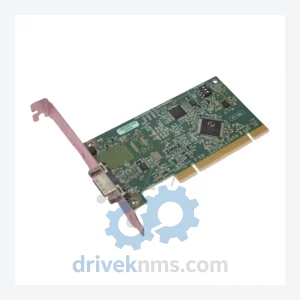
National Instruments PCI-8361 is listed for MXI-4 Series RFQ review. Confirm quantity, condition and destination before quotation.
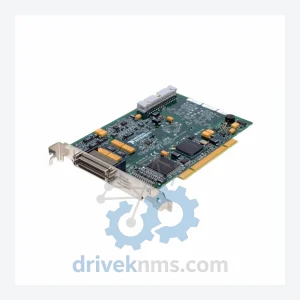
National Instruments PCI-6224 is listed for Monitoring Systems RFQ review. Confirm quantity, condition and destination before quotation.