
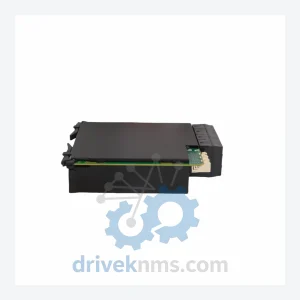
GE UR Series Modules: UR6AV Digital I/O Module —
GE UR Series: Comprehensive Module Range and Technical Overview The GE Grid Solutions UR Series (Universal Relay) platform is one…
Model: CT-3238
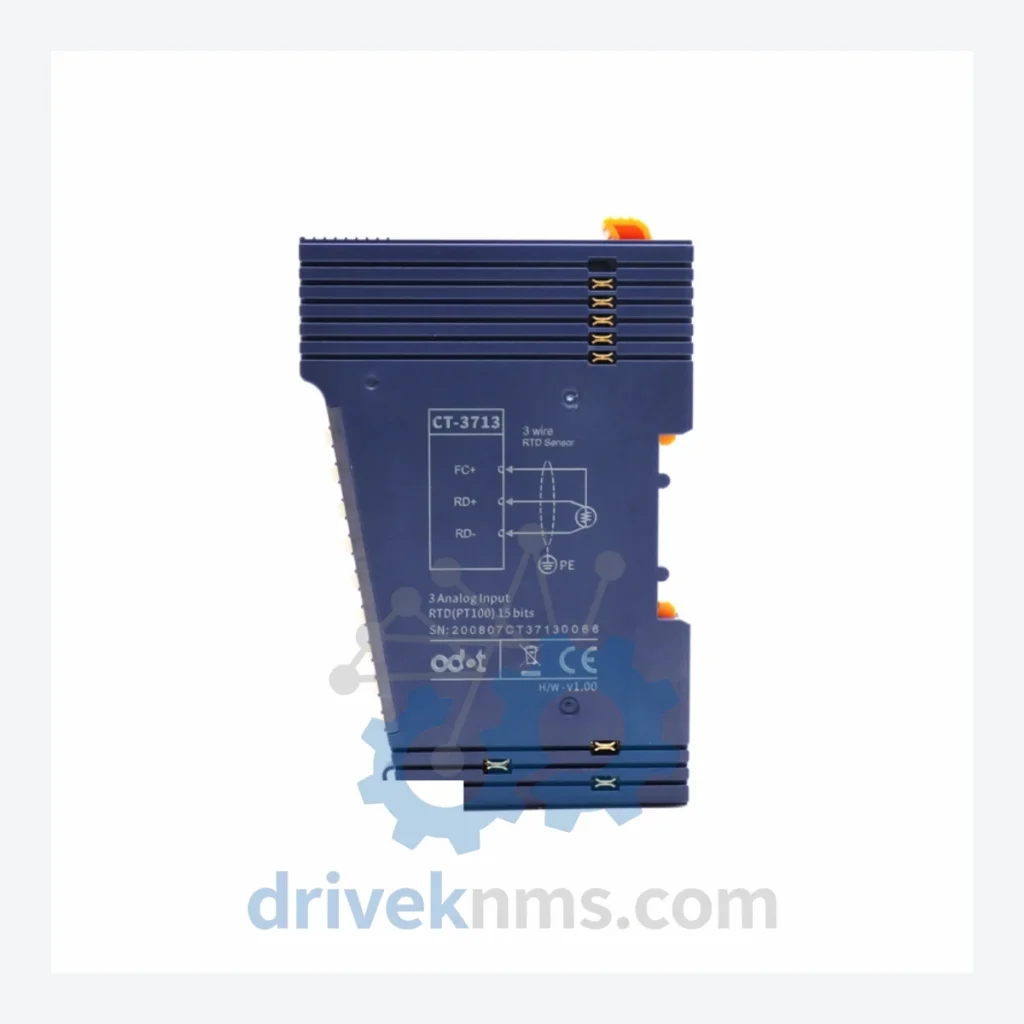
Product Overview
Commercial availability is handled through direct RFQ, model verification and export-oriented follow-up rather than public cart checkout.
Datasheet Preview
Use attached product manuals when available. If the manual is not public yet, request the full file directly through RFQ.
Commercial Path
Product pages on DRIVEKNMS are designed to verify model, brand and series first, then move the buyer into one clean quotation path.
Technical Dossier
The ODOT CT Series represents a standardized family of distributed I/O modules engineered for deployment in heavy industrial environments including chemical processing plants, petroleum refineries, power generation facilities, and water treatment infrastructure. Built around a compact DIN-rail form factor with a proprietary backplane bus architecture, CT Series modules are designed for deterministic real-time data acquisition and control output. The series has achieved significant installed base across Asia-Pacific industrial automation projects, particularly in process industries requiring IEC 61131-3 compliant control architectures. CT Series modules interface natively with ODOT's CM Series communication adapters and are compatible with major PLC platforms via EtherNet/IP, PROFIBUS-DP, and Modbus TCP gateways.
The ODOT CT Series was introduced as part of ODOT Automation's modular distributed I/O platform strategy. Early-generation CT modules used a parallel backplane bus with fixed-address slot assignment, limiting maximum node density. Subsequent revisions introduced a serial high-speed backplane protocol, enabling hot-swap capability and dynamic address allocation. The current generation supports up to 32 modules per node with a cycle time of under 1 ms for 16-channel analog modules. Firmware revisions across the CT Series lifecycle have progressively added diagnostics features including per-channel wire-break detection, over-range flagging, and CRC-protected backplane communication. Compatibility between early and current-generation CT modules requires attention to backplane connector revision levels; mixed installations must verify firmware baseline alignment. For installations where early-generation CT modules have reached end-of-active-production status, DriveKNMS maintains verified surplus stock to support lifecycle extension without platform migration.
The following SKUs represent the core CT Series module range, classified by functional category. All models listed are verified ODOT CT Series components.
Analog Input Modules
Analog Output Modules
Digital Input Modules
Digital Output Modules
Power Supply & Communication Modules
Several early-generation CT Series modules, including isolated analog variants and first-revision communication adapters, have transitioned to end-of-active-production status. ODOT's official channel no longer fulfills these part numbers through standard distribution. DriveKNMS maintains a dedicated inventory of verified surplus and refurbished CT Series modules to support plants operating legacy ODOT-based control architectures where platform migration is not operationally feasible. All sourced units undergo pre-shipment inspection including backplane connector integrity verification, firmware version documentation, and functional power-on testing. DriveKNMS can cross-reference discontinued CT Series part numbers against current equivalents and advise on drop-in replacement compatibility where applicable. For long-term maintenance contracts requiring guaranteed availability of specific CT Series SKUs, contact DriveKNMS to discuss reserved stock arrangements.
CT Series modules incorporate a multi-layer backplane bus with proprietary differential signaling. Quality verification for these modules requires protocol-aware test equipment capable of injecting and monitoring backplane transactions. DriveKNMS applies the following test procedures to all CT Series units processed through its facility: (1) Visual inspection of backplane edge connector pins for oxidation, mechanical deformation, and contamination. (2) Power-on self-test with backplane bus monitoring to verify module enumeration and address assignment. (3) Channel-level functional test for analog modules: each input channel is stimulated with calibrated 4–20 mA and 0–10 V signals; output deviation from nominal is measured against factory specification. (4) Digital I/O modules are tested under load with verified sink/source current at rated voltage. (5) Communication adapter modules are tested for successful node discovery and cyclic data exchange with a reference PLC. (6) Thermal cycling soak for modules flagged as long-term stored surplus. All test results are documented and available upon request with shipment.
© 2026 DriveKNMS. All trademarks belong to their respective owners. Specifications are for reference only and subject to change without notice. Verify all parameters against official documentation before installation.
Related Paths
GE UR Series: Comprehensive Module Range and Technical Overview The GE Grid Solutions UR Series (Universal Relay) platform is one…
GE UR Series: Comprehensive Module Range and Technical Overview The GE UR (Universal Relay) Series, developed by GE Grid Solutions…
GE Multilin UR Series: Comprehensive Module Range and Technical Overview The GE Multilin Universal Relay (UR) Series represents one of…