
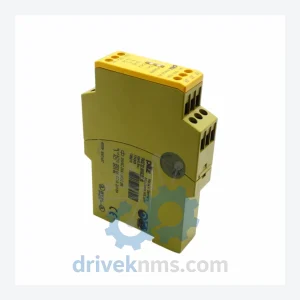
Pilz PNOZ X Series Safety Relays PNOZ X2 774303
Pilz PNOZ X2 774303 is listed for PNOZ X Series Safety RFQ review. Confirm quantity, condition and destination before quotation.
RFQ-ready industrial model
Model: 773540 PNOZ ml1p
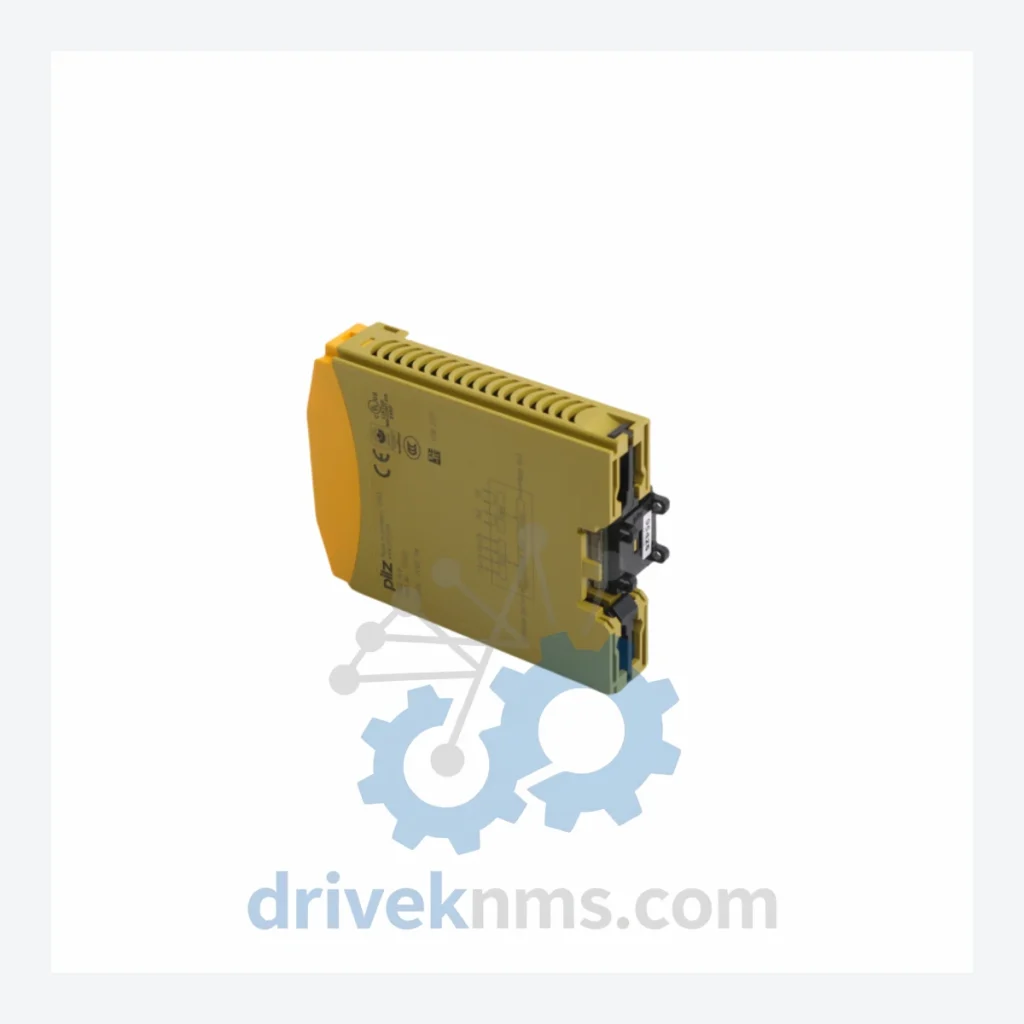
Product Overview
Commercial availability is handled through direct RFQ, model verification and export-oriented follow-up rather than public cart checkout.
Datasheet Preview
Use attached product manuals when available. If the manual is not public yet, request the full file directly through RFQ.
Commercial Path
Product pages on DRIVEKNMS are designed to verify model, brand and series first, then move the buyer into one clean quotation path.
Technical Dossier
DriveKNMS holds RFQ-reviewed sourcing status of the Pilz 773540 PNOZ ml1p. For maintenance engineers and plant managers operating facilities built on PNOZmulti infrastructure, this is a direct replacement that preserves your existing safety architecture without triggering a system-wide overhaul.
RFQ support for obsolete parts: Send the model number, required quantity and destination so DriveKNMS can confirm sourcing options before quotation.
| Manufacturer | Pilz GmbH & Co. KG |
| Part Number | 773540 |
| Model | PNOZ ml1p |
| Series | PNOZmulti (Modular Safety System) |
| Product Type | Safety Relay / Expansion Module |
| Country of Origin | Germany |
| Discontinuation Status | Discontinued – replaced by PNOZmulti 2 generation; original hardware no longer in production |
| Compatible Systems | PNOZmulti modular safety controller configurations; commonly paired with PNOZ m B0, m B1 base units |
| Applicable Standards | IEC 61508, EN 954-1, EN ISO 13849 (verify against your specific system validation) |
Note: Electrical parameters specific to your installation should be verified against the original Pilz system documentation. DriveKNMS does not publish unverified specifications.
Pilz's transition to the PNOZmulti 2 series introduced hardware and software incompatibilities that make a simple module swap impossible without base unit changes and software re-validation. For a plant running 20 or 30 machines on the original PNOZmulti architecture, the cost of a full fleet migration is a capital project — not a maintenance task.
For plant managers facing pressure to justify continued operation of legacy safety systems, the argument is not sentimental. It is financial. A validated, running safety system that can be maintained with available spare parts carries zero re-validation cost. A replacement system carries full engineering, installation, and certification cost. The break-even calculation consistently favors maintenance over replacement until the hardware failure rate becomes unmanageable — a threshold that disciplined spare parts procurement pushes significantly further into the future.
Safety-critical components sourced outside the original supply chain require a structured verification process. DriveKNMS applies a 5-step QA protocol to all PNOZmulti modules before dispatch review:
1. Electrolytic Capacitor Assessment — Capacitor aging is the primary failure mode in modules of this vintage. Each unit is inspected for capacitor bulge, leakage, and ESR deviation from specification.
2. Firmware Version Verification — Module firmware is checked and documented. Customers receive the firmware version with their shipment to confirm compatibility with their existing PNOZmulti base unit configuration.
3. Pin and Connector Inspection — All terminal pins and backplane connectors are examined under magnification for corrosion, mechanical deformation, and contact integrity.
4. Functional Power-On Test — Where test infrastructure permits, modules are powered and basic I/O response is verified prior to packaging.
5. Packaging and ESD Protection — Units are shipped in anti-static packaging with desiccant. Condition grade (New, Refurbished-Grade A, or Tested-Used) is clearly documented on the shipment documentation.
The PNOZ ml1p is a direct hardware replacement for the same part number within a PNOZmulti configuration. There is no firmware re-flashing of the base unit required for a like-for-like module swap. The replacement procedure does not trigger a requirement for full system re-validation under most interpretations of IEC 62061 and ISO 13849, provided the module is the same part number and the safety function is verified post-installation — a standard commissioning check rather than a full re-certification exercise.
How do I confirm the unit is new or quality-refurbished?
Each shipment includes a condition certificate specifying the grade of the unit and the QA steps completed. New-in-box units are identified by original Pilz packaging where available. Refurbished units are graded and documented individually.
Should I buy more than one unit?
For facilities operating multiple machines on PNOZmulti architecture, holding two to three PNOZ ml1p units per site is a defensible maintenance strategy. The module is no longer manufactured. Secondary market availability will decrease over time. Procurement cost today is lower than procurement cost under emergency conditions in 18 months.
Continue The Model Path
Move from this exact model into the matching system hub, brand archive, model-family archive or lifecycle sourcing route before sending a final RFQ list.
Related Paths
Pilz PNOZ X2 774303 is listed for PNOZ X Series Safety RFQ review. Confirm quantity, condition and destination before quotation.
Pilz PILZ PNOZ 11 safety gate monitor is listed for PNOZ Series RFQ review. Confirm quantity, condition and destination before quotation.
Pilz 774086 PNOZ 11 is listed for Monitoring Systems RFQ review. Confirm quantity, condition and destination before quotation.