
Provib Tech PT2060 Modules PT2060/90-A1-B1
Provib Tech PT2060/90-A1-B1 is listed for PT2060 RFQ review. Confirm quantity, condition and destination before quotation.
RFQ-ready industrial model
Model: PT2060/43-A0
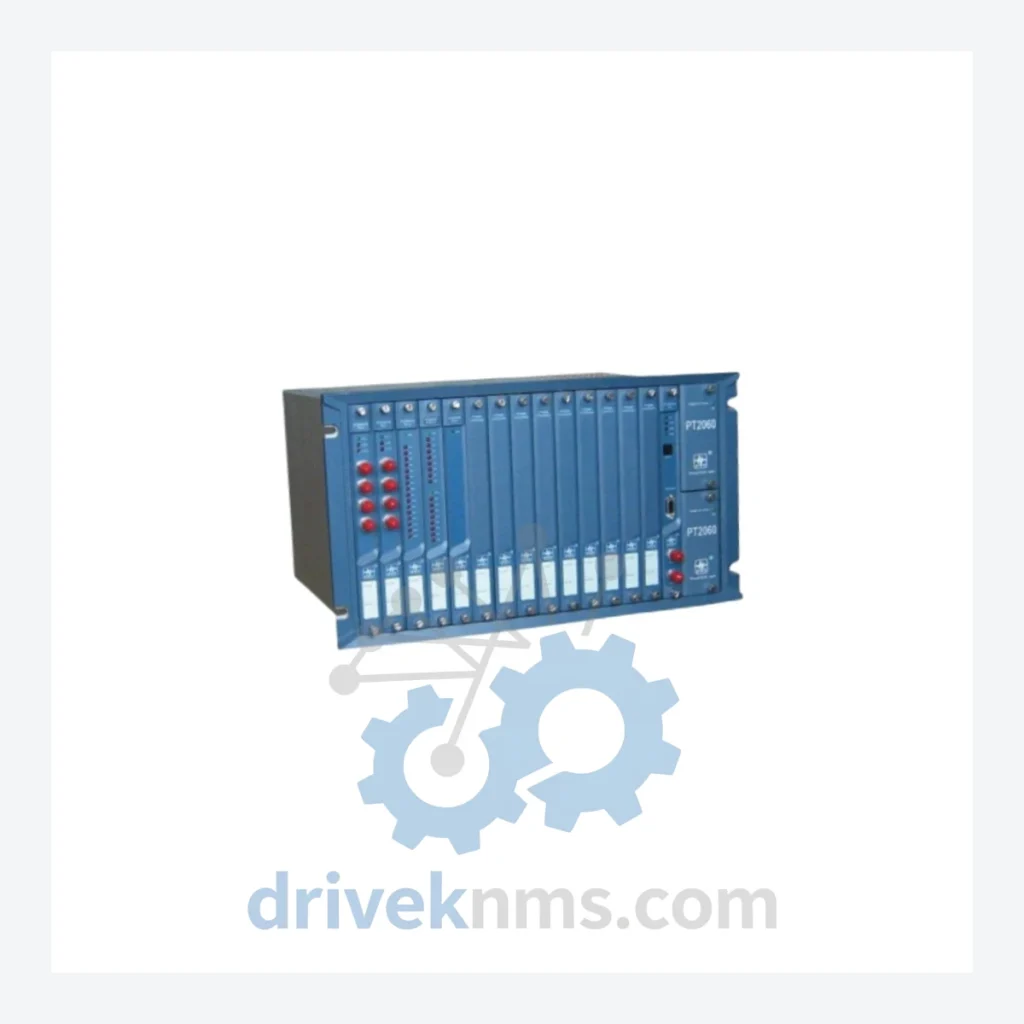
Product Overview
Commercial availability is handled through direct RFQ, model verification and export-oriented follow-up rather than public cart checkout.
Datasheet Preview
Use attached product manuals when available. If the manual is not public yet, request the full file directly through RFQ.
Commercial Path
Product pages on DRIVEKNMS are designed to verify model, brand and series first, then move the buyer into one clean quotation path.
Technical Dossier
The Provib Tech PT2060 series represents a well-established line of proximity and vibration monitoring modules deployed across global heavy industry sectors, including petrochemical refineries, nuclear power stations, offshore platforms, and large-scale chemical processing facilities. These modules serve as critical front-end signal conditioning and proximity detection components within machinery protection and condition monitoring systems. Their robust design, compatibility with eddy-current proximity probes, and deterministic signal output have made them a standard reference in rotating machinery surveillance architectures. The PT2060 series interfaces directly with proximity transducer drivers and feeds processed signals to higher-level monitoring systems such as Bently Nevada 3500, Emerson CSI, and equivalent DCS/PLC platforms. Installed base across mature industrial sites means demand for spare parts and replacement modules remains active well beyond the series' original production lifecycle.
The PT2060 platform was developed to address the need for standardized, rack-mountable proximity signal conditioning in continuous process industries. Early variants focused on single-channel eddy-current signal processing with fixed gain and buffered output. Subsequent revisions introduced configurable gap voltage thresholds, improved EMI shielding for high-noise environments, and dual-channel configurations to support redundant measurement loops. The /43 sub-series designation indicates a specific channel configuration and output impedance standard, while the -A0 hardware revision suffix denotes the baseline production release of that configuration. As the series matured, firmware-configurable variants were introduced for integration with digital fieldbus architectures. Sites running legacy PT2060 hardware face compatibility constraints when migrating to modern IIoT-enabled monitoring platforms, making original-specification spare parts essential for maintaining system integrity without full panel redesign. The PT2060 series is now considered mature/end-of-production by Provib Tech; however, the installed base in long-lifecycle facilities (nuclear, refining, LNG) sustains active aftermarket demand for original and reconditioned units.
The following SKUs represent the documented PT2060 series range, classified by functional role. Each entry reflects a distinct hardware configuration or channel variant within the series architecture.
Proximity Signal Conditioning Modules
Dual-Channel Proximity Modules
Vibration Monitoring & Output Modules
Continue The Model Path
Move from this exact model into the matching system hub, brand archive, model-family archive or lifecycle sourcing route before sending a final RFQ list.
Related Paths
Provib Tech PT2060/90-A1-B1 is listed for PT2060 RFQ review. Confirm quantity, condition and destination before quotation.
Provib Tech PT2060/43-A0-H is listed for PT2060 RFQ review. Confirm quantity, condition and destination before quotation.
Provib Tech PT2060/53-A0-H is listed for PT2060 RFQ review. Confirm quantity, condition and destination before quotation.