
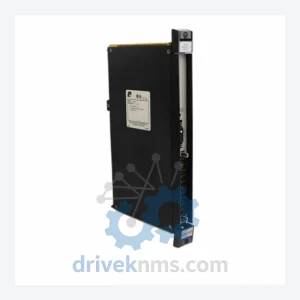
Reliance Electric 57405-D Analog I/O Module – Obsolete AutoMax Spare Part
Reliance Electric 57405-D is listed for Controller Cards RFQ review. Confirm quantity, condition and destination before quotation.
RFQ-ready industrial model
Model: 0-60021-2
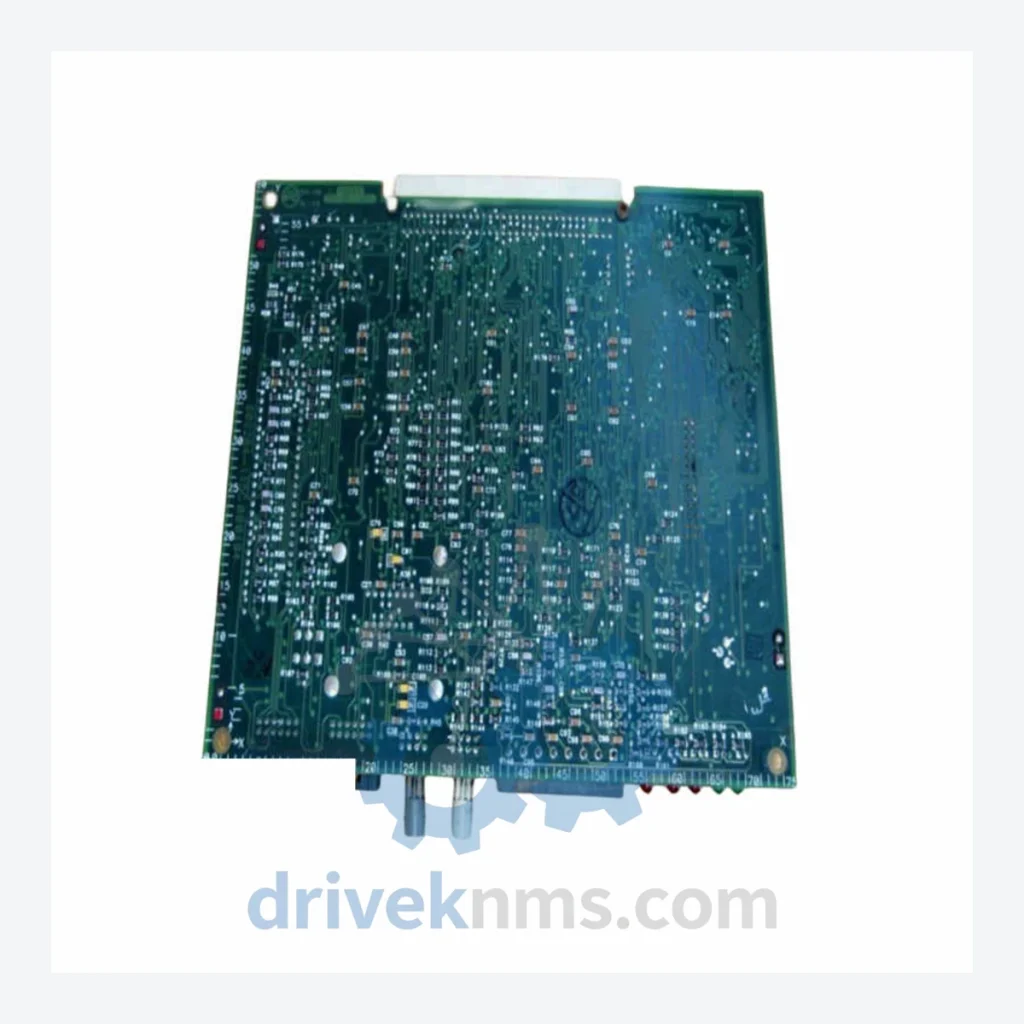
Product Overview
Commercial availability is handled through direct RFQ, model verification and export-oriented follow-up rather than public cart checkout.
Datasheet Preview
Use attached product manuals when available. If the manual is not public yet, request the full file directly through RFQ.
Commercial Path
Product pages on DRIVEKNMS are designed to verify model, brand and series first, then move the buyer into one clean quotation path.
Technical Dossier
The AutoMax platform evolved through several distinct hardware generations between its introduction and eventual discontinuation by Rockwell Automation following the acquisition of Reliance Electric in 1995. Early-generation AutoMax systems (circa 1986–1991) utilized 16-bit processor architectures with proprietary backplane bus protocols operating at relatively low clock speeds, sufficient for the drive coordination and sequential control tasks of that era. Mid-generation revisions introduced enhanced CPU modules with expanded memory addressing, faster scan times, and improved diagnostics. The 0-60021-x processor family, including the 0-60021-2, belongs to this mid-to-late generation, offering improved throughput over earlier -0 and -1 suffix variants while maintaining backward compatibility with existing I/O racks and communication modules.
Following Rockwell Automation's acquisition, AutoMax was positioned alongside Allen-Bradley PLC-5 and ControlLogix platforms. Rockwell continued to support AutoMax through the late 1990s and into the 2000s, but the platform entered end-of-life status, with official spare parts support progressively withdrawn. Facilities that standardized on AutoMax face a binary choice: full migration to modern platforms (ControlLogix, PlantPAx) or lifecycle extension through third-party spare parts sourcing. The backplane bus architecture of AutoMax is not electrically or software-compatible with any current Rockwell platform, making direct module substitution impossible without a full system retrofit.
The following SKUs represent verified, commonly sourced components within the Reliance Electric AutoMax module ecosystem. Each entry reflects a distinct hardware function within the rack architecture.
Processor / CPU Modules
Digital Input (DI) Modules
Digital Output (DO) Modules
Analog Input (AI) Modules
Analog Output (AO) Modules
Communication & Network Adapter Modules
Power Supply Modules
AutoMax modules present specific quality verification challenges due to their age, backplane bus dependency, and the prevalence of counterfeit or misrepresented units in the secondary market. DriveKNMS applies a structured inspection and functional test protocol to all AutoMax inventory prior to shipment.
Incoming inspection covers physical condition assessment (connector pin integrity, PCB corrosion, capacitor condition, EPROM label verification), revision suffix confirmation against customer-specified requirements, and firmware version identification where applicable. Functional testing for processor modules such as the 0-60021-2 includes power-on self-test (POST) verification, backplane communication handshake confirmation, and where test rack infrastructure permits, full I/O scan cycle execution under simulated load. Communication modules are tested for network interface continuity and protocol handshake integrity. Power supply modules undergo load testing at rated current with output voltage stability measurement. All tested units are documented with test date, technician ID, and pass/fail criteria records retained for traceability.
Continue The Model Path
Move from this exact model into the matching system hub, brand archive, model-family archive or lifecycle sourcing route before sending a final RFQ list.
Related Paths
Reliance Electric 57405-D is listed for Controller Cards RFQ review. Confirm quantity, condition and destination before quotation.
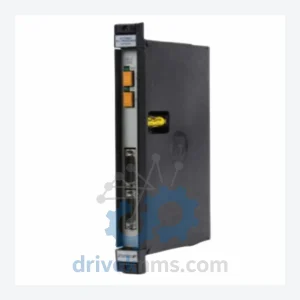
Reliance Electric 57C431A is listed for Automax Series RFQ review. Confirm quantity, condition and destination before quotation.
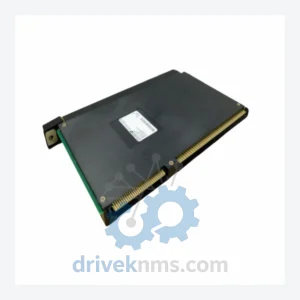
Reliance Electric 57C413B is listed for Controller Cards RFQ review. Confirm quantity, condition and destination before quotation.