
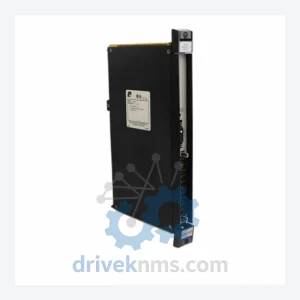
Reliance Electric 57405-D Analog I/O Module – Obsolete AutoMax Spare Part
Reliance Electric 57405-D is listed for Controller Cards RFQ review. Confirm quantity, condition and destination before quotation.
RFQ-ready industrial model
Model: 0-60031-4
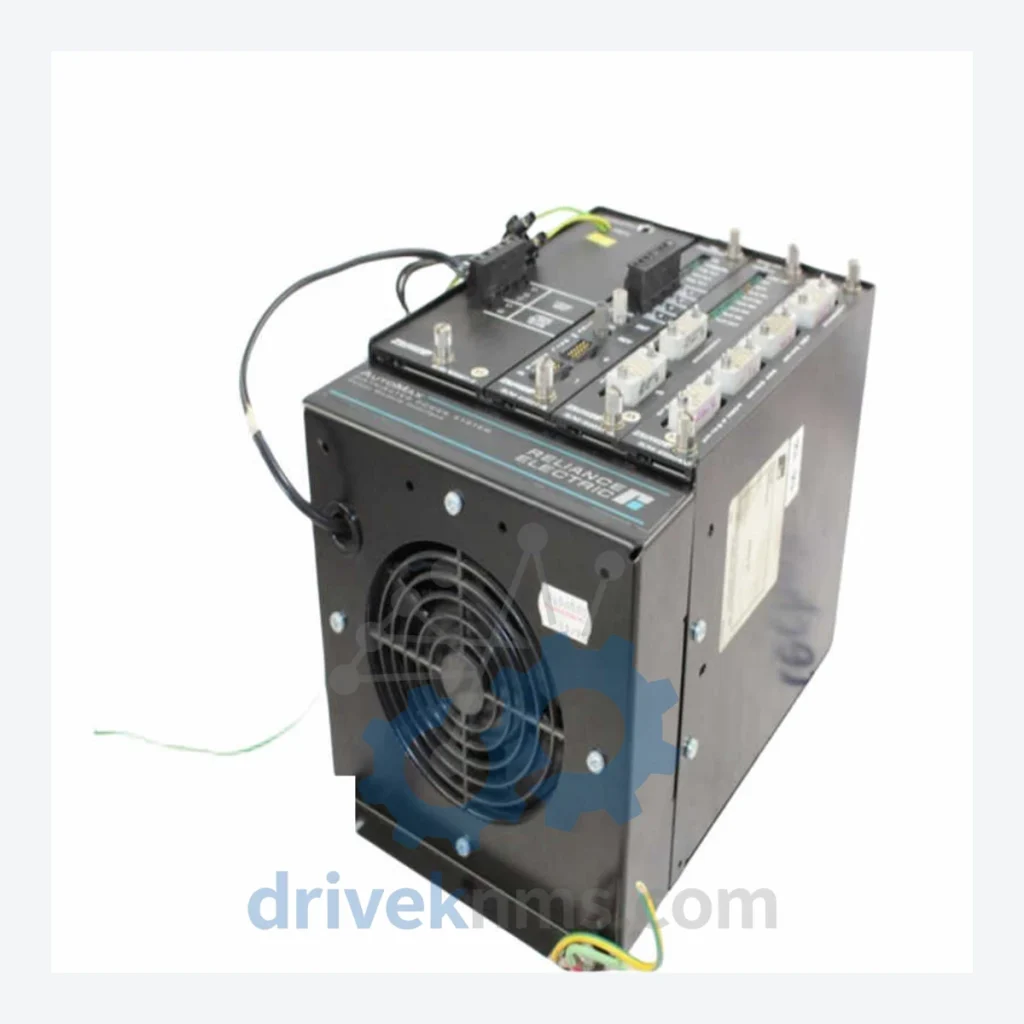
Product Overview
Commercial availability is handled through direct RFQ, model verification and export-oriented follow-up rather than public cart checkout.
Datasheet Preview
Use attached product manuals when available. If the manual is not public yet, request the full file directly through RFQ.
Commercial Path
Product pages on DRIVEKNMS are designed to verify model, brand and series first, then move the buyer into one clean quotation path.
Technical Dossier
RFQ support for obsolete parts: Send the model number, required quantity and destination so DriveKNMS can confirm sourcing options before quotation.
Note: Electrical parameters specific to this module are not published here to prevent misapplication. Contact our technical team for verified specification documentation prior to installation.
The Reliance Electric AutoMax platform was widely deployed across heavy industry — steel mills, paper machines, mining conveyors, and large-scale process lines — throughout the 1980s and 1990s. Many of these installations remain operational today because the underlying mechanical and process infrastructure was engineered for decades of service. The control architecture, however, is no longer supported by the OEM.
The 0-60031-4 module occupies a defined functional role within the AutoMax rack architecture. There is no modern equivalent that installs into the same slot, communicates over the same backplane protocol, and executes the same control logic without a full system redesign. This is the core of the discontinued hardware problem: the asset is not worn out, but a single failed board can render it inoperable.
Factory management teams facing this situation have three realistic options. The first is emergency sourcing of the original part — the only path that preserves the existing capital investment and avoids engineering disruption. The second is a partial retrofit, which carries significant integration risk and typically requires months of validation. The third is full platform replacement, which is the most expensive outcome and the one that procurement and maintenance teams are most motivated to avoid.
DriveKNMS exists to make the first option viable. We source, inspect, and supply obsolete industrial components so that facilities can continue operating proven systems without being forced into premature capital expenditure.
For plant managers and maintenance engineers operating legacy Reliance Electric AutoMax systems, the following approach has been used successfully to defer platform replacement by a decade or more:
1. Identify single-point-of-failure modules. Audit your AutoMax rack configuration and identify which boards, if failed, would cause a complete system shutdown with no available bypass. The 0-60031-4 is a candidate for this list. Prioritize sourcing at least one cold spare for each such component.
2. Establish a documented spare parts inventory. A spare sitting in an unlabeled box provides no operational value during an emergency. Each spare should be tagged with part number, firmware version (if applicable), date of acquisition, and storage conditions. This documentation also supports insurance and asset valuation processes.
3. Control storage conditions. Obsolete electronic modules are sensitive to humidity and electrostatic discharge. Store spares in anti-static packaging inside a climate-controlled environment. Avoid locations subject to temperature cycling, which accelerates capacitor degradation.
4. Establish a periodic inspection schedule. Even stored components age. Electrolytic capacitors in particular have a finite shelf life. A qualified technician should inspect stored modules every 18–24 months and flag any units showing signs of capacitor bulge, pin corrosion, or PCB discoloration.
Every 0-60031-4 unit supplied by DriveKNMS passes through a structured five-stage inspection process before it is offered for sale.
Stage 1 – Visual and Physical Inspection: The board is examined under magnification for PCB cracking, burn marks, solder joint fatigue, and mechanical damage to connectors and mounting hardware.
Stage 2 – Electrolytic Capacitor Assessment: Capacitor aging is the primary failure mode in boards of this era. Each electrolytic capacitor is checked for bulging, leakage, and ESR deviation. Units with compromised capacitors are either recapped by qualified technicians or removed from inventory.
Stage 3 – Pin and Connector Integrity: Backplane connector pins are inspected for oxidation, bending, and corrosion. Corroded pins are cleaned using appropriate contact restoration procedures. Pins that cannot be restored to specification are documented and the unit is downgraded accordingly.
Stage 4 – Firmware Version Verification: Where firmware version markings are present on the module, these are recorded and disclosed to the buyer. Compatibility between firmware versions and specific AutoMax system revisions is a known variable, and we provide this information so that your engineering team can make an informed decision before installation.
Stage 5 – Functional Classification: Each unit is classified as New Surplus (unused, original packaging), Tested Serviceable (used, passed functional checks), or Refurbished (used, reconditioned to serviceable standard). The classification is disclosed on the invoice and shipping documentation.
Drop-in replacement: The 0-60031-4 installs directly into the existing AutoMax rack slot. No mechanical modification to the chassis is required.
No reprogramming required: The module operates within the existing AutoMax control architecture. Replacing a failed unit with a same-part-number spare does not require changes to the application program, I/O mapping, or network configuration — provided firmware versions are compatible.
Preserves validated process logic: Many AutoMax installations contain control logic that has been tuned and validated over years of operation. A drop-in replacement preserves that logic intact. A platform migration requires re-validation from the ground up — a process that carries both cost and regulatory risk in regulated industries.
Can you source other Reliance Electric AutoMax components?
Yes. DriveKNMS specializes in obsolete industrial automation components across multiple platforms. Contact us with your full bill of materials and we will advise on availability.
Continue The Model Path
Move from this exact model into the matching system hub, brand archive, model-family archive or lifecycle sourcing route before sending a final RFQ list.
Related Paths
Reliance Electric 57405-D is listed for Controller Cards RFQ review. Confirm quantity, condition and destination before quotation.
Reliance Electric 57C431A is listed for Automax Series RFQ review. Confirm quantity, condition and destination before quotation.
Reliance Electric 57C413B is listed for Controller Cards RFQ review. Confirm quantity, condition and destination before quotation.