
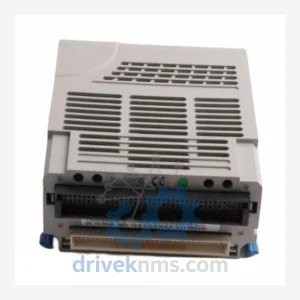
Westinghouse 1C31125G02 Analog Input Module – Obsolete WDPF Spare Part
Westinghouse 1C31122G01 is listed for WDPF RFQ review. Confirm quantity, condition and destination before quotation.
RFQ-ready industrial model
Model: KA-40-S-T
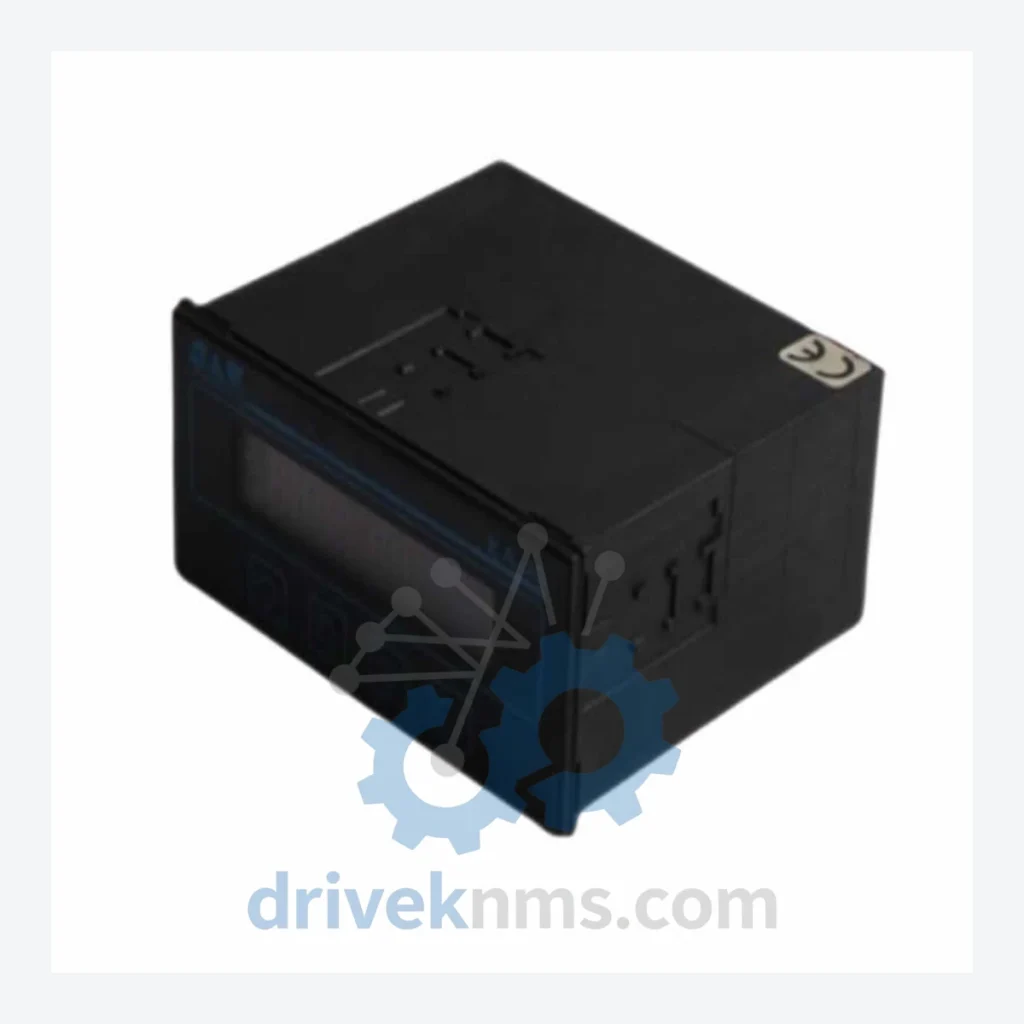
Product Overview
Commercial availability is handled through direct RFQ, model verification and export-oriented follow-up rather than public cart checkout.
Datasheet Preview
Use attached product manuals when available. If the manual is not public yet, request the full file directly through RFQ.
Commercial Path
Product pages on DRIVEKNMS are designed to verify model, brand and series first, then move the buyer into one clean quotation path.
Technical Dossier
The Westinghouse SAE-KA series is a family of analog servo amplifier and controller cards deployed within the Westinghouse WDPF (Distributed Processing Family) Distributed Control System platform. These modules have accumulated significant installed base across global heavy industry sectors including petrochemical refineries, nuclear power generation facilities, fossil fuel power plants, and large-scale chemical processing operations. The WDPF platform, introduced in the late 1970s and expanded through the 1990s, became a standard architecture for continuous process control in facilities requiring high-reliability, deterministic loop control. SAE-KA modules specifically handle analog servo drive interfacing and proportional control output functions within the WDPF backplane architecture. Their continued presence in operating plants decades after production discontinuation makes lifecycle parts sourcing a critical operational requirement for maintenance engineers worldwide.
The SAE-KA series was developed as part of Westinghouse Electric Corporation's WDPF platform, which used a proprietary dual-redundant data highway (Westnet II) for inter-module communication. Early SAE-KA cards operated on the WDPF I backplane standard, using parallel bus addressing and analog signal conditioning circuits based on discrete op-amp technology. As the WDPF platform evolved into WDPF II and later WDPF+, the SAE-KA series was updated to support enhanced diagnostics and improved EMI shielding, while maintaining backward compatibility with existing backplane slots to protect customer capital investment.
Following Westinghouse's acquisition by CBS Corporation and subsequent divestiture of its power generation controls division to Emerson Electric (which integrated WDPF assets under the Ovation DCS brand), the SAE-KA series entered end-of-life status. No direct Ovation equivalent exists for the SAE-KA servo amplifier function in a drop-in form factor, making original spare parts and tested refurbished units the primary maintenance strategy for plants not yet migrated to modern DCS platforms. Compatibility considerations include backplane slot type (WDPF I vs. WDPF II), power supply rail voltage (±15 VDC, +5 VDC), and Westnet II address configuration via onboard DIP switches.
The following SKUs represent verified part numbers within the Westinghouse SAE-KA and closely associated WDPF analog output/servo controller module family. Each entry includes a concise functional description.
SAE-KA-40-S/T: Analog servo amplifier card, 40 mA output, single/triple redundancy config
SAE-KA-40: Standard 40 mA analog servo amplifier, WDPF backplane mount
SAE-KA-20: 20 mA current output servo controller, proportional control loop
SAE-KA-10: 10 mA low-power servo amplifier for light-duty actuator interfacing
7379A06G01: SAE-KA variant assembly, revision G01, servo output card
7379A06G02: SAE-KA variant assembly, revision G02, enhanced thermal tolerance
7379A06G03: SAE-KA variant assembly, revision G03, updated op-amp stage
7379A06G04: SAE-KA variant assembly, revision G04, conformal coated PCB
7379A07G01: Servo amplifier card, dual-channel output, WDPF I compatible
7379A07G02: Dual-channel servo amplifier, WDPF II backplane revision
SAE-KA-40-D: Dual-redundant 40 mA servo amplifier, hot-standby switchover
SAE-KA-40-T: Triple-redundant 40 mA servo amplifier, voting logic integrated
SAE-KA-AO-1: Analog output sub-module, 4–20 mA, servo loop auxiliary
SAE-KA-AO-2: Dual analog output sub-module, independent channel isolation
7379A08G01: SAE-KA power conditioning card, ±15 VDC rail regulation
7379A08G02: Updated power conditioning card, improved ripple rejection
SAE-KA-DIAG: Diagnostic interface card for SAE-KA backplane bus monitoring
SAE-KA modules present specific test challenges due to their analog servo output circuitry and WDPF backplane bus interface. DriveKNMS applies the following verification protocol to all SAE-KA units processed:
1. Visual inspection: PCB trace integrity, component seating, connector pin condition, conformal coating status.
2. Power-on test: ±15 VDC and +5 VDC rail draw within specification; no thermal anomalies within 10-minute burn-in.
3. Analog output calibration: Output current linearity verified across 0–40 mA range using calibrated reference load; deviation tolerance ±0.1 mA.
4. Backplane bus communication: Module addressed via WDPF test fixture; Westnet II data highway read/write cycles confirmed error-free.
5. Redundancy switchover test (where applicable): Hot-standby and triple-redundant voting logic exercised under simulated primary failure condition.
6. Final documentation: Test date, technician ID, measured parameters, and pass/fail record issued with each unit.
Continue The Model Path
Move from this exact model into the matching system hub, brand archive, model-family archive or lifecycle sourcing route before sending a final RFQ list.
Related Paths
Westinghouse 1C31122G01 is listed for WDPF RFQ review. Confirm quantity, condition and destination before quotation.
Westinghouse 5X00121G01 is listed for OVATION RFQ review. Confirm quantity, condition and destination before quotation.
Westinghouse 1P00028G01 is listed for WDPF RFQ review. Confirm quantity, condition and destination before quotation.